№ 01Health
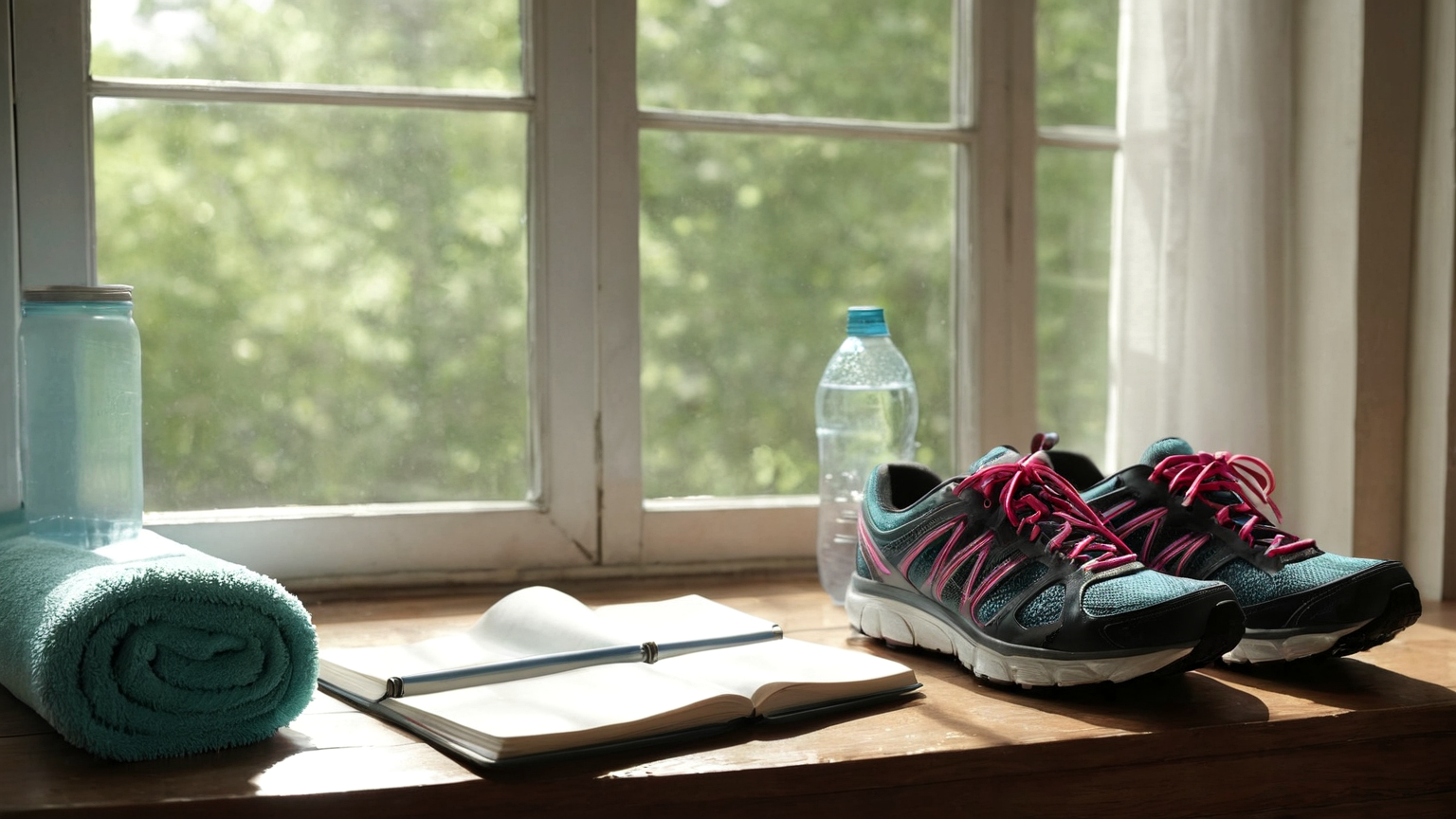
Heat Illness Workout Stop Rule
A practical 2026 heat-workout stop rule for runners, gym-goers, and coaches: warning signs, session swaps, cooling steps, and when to seek medical help.
Read →
¶ Category
13 articles
Health-adjacent routines that translate public-health and clinical guidance into everyday decision checks.
Every guide separates general education from medical decisions and includes red-flag boundaries where the article should not be used alone.
These articles do not diagnose, treat, or replace medical care. Escalate symptoms and clinician-directed conditions to qualified professionals.
A practical 2026 heat-workout stop rule for runners, gym-goers, and coaches: warning signs, session swaps, cooling steps, and when to seek medical help.
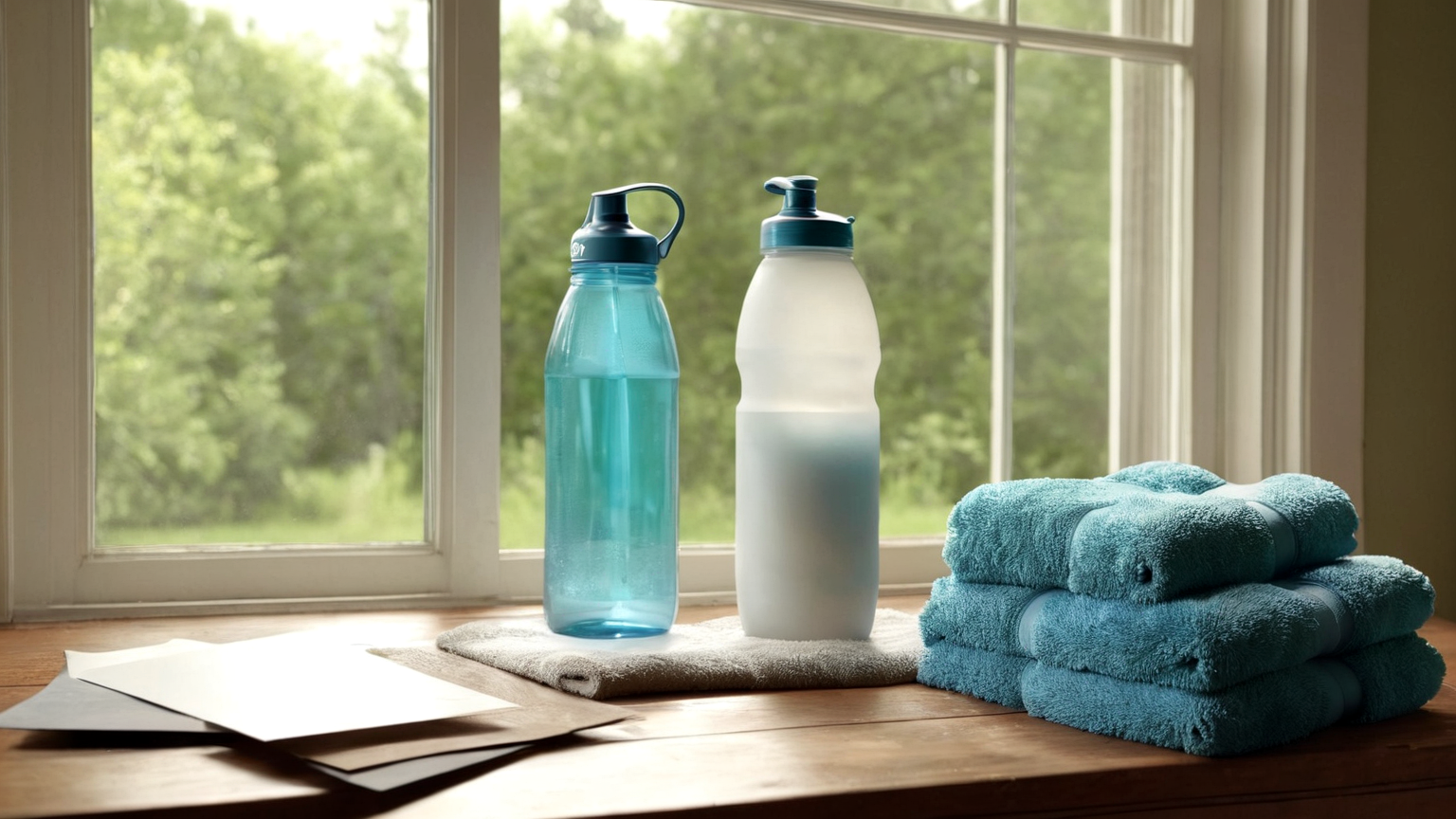
A practical 2026 guide to planning fluids, electrolytes, intensity, symptoms, and recovery for exercise during hot or humid weather.
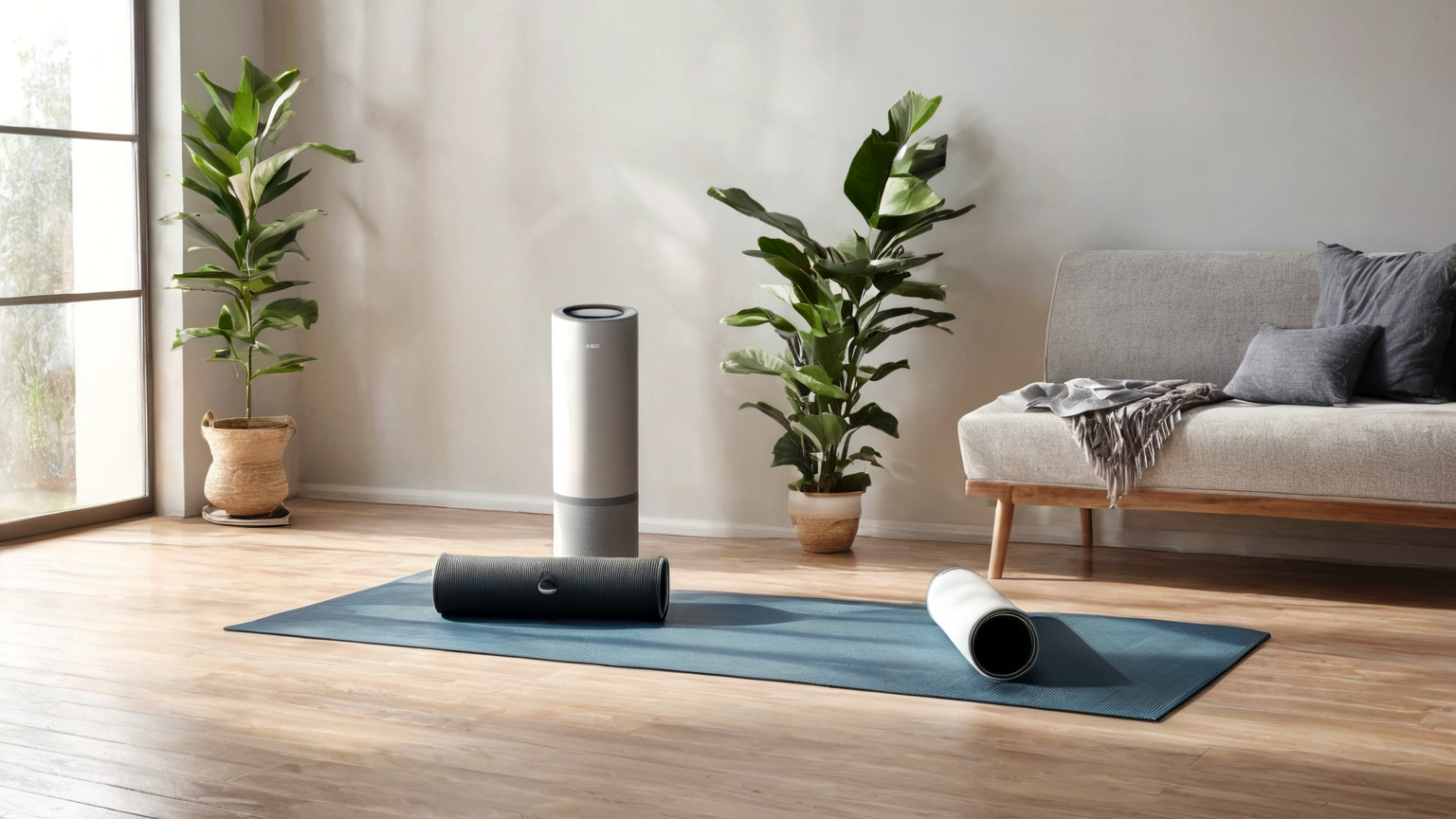
A 2026 guide to choosing safer indoor workouts when outdoor ozone, wildfire smoke, pollen, or heat makes a normal run a bad idea.
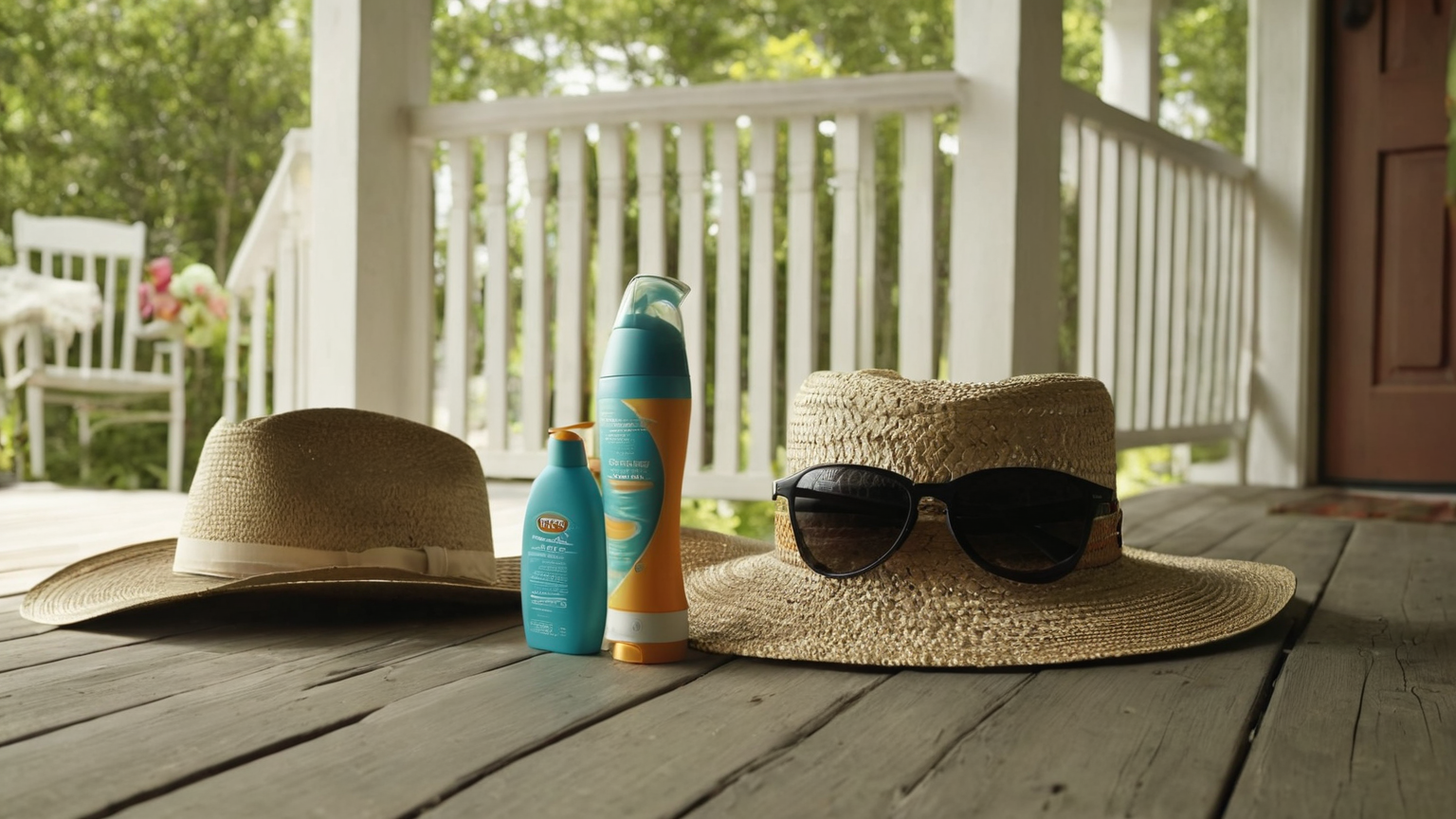
A practical 2026 guide to sunscreen timing, shade, clothing, UV checks, heat overlap, symptom stop rules, and post-workout skin review.

A practical 2026 guide for runners, walkers, and coaches: AirNow checks, ozone alert timing, indoor swaps, symptom stop rules, and return-to-outdoor decisions.

A 2026 heat-safety checklist for walking, running, and outdoor workouts without ignoring symptoms or local alerts.
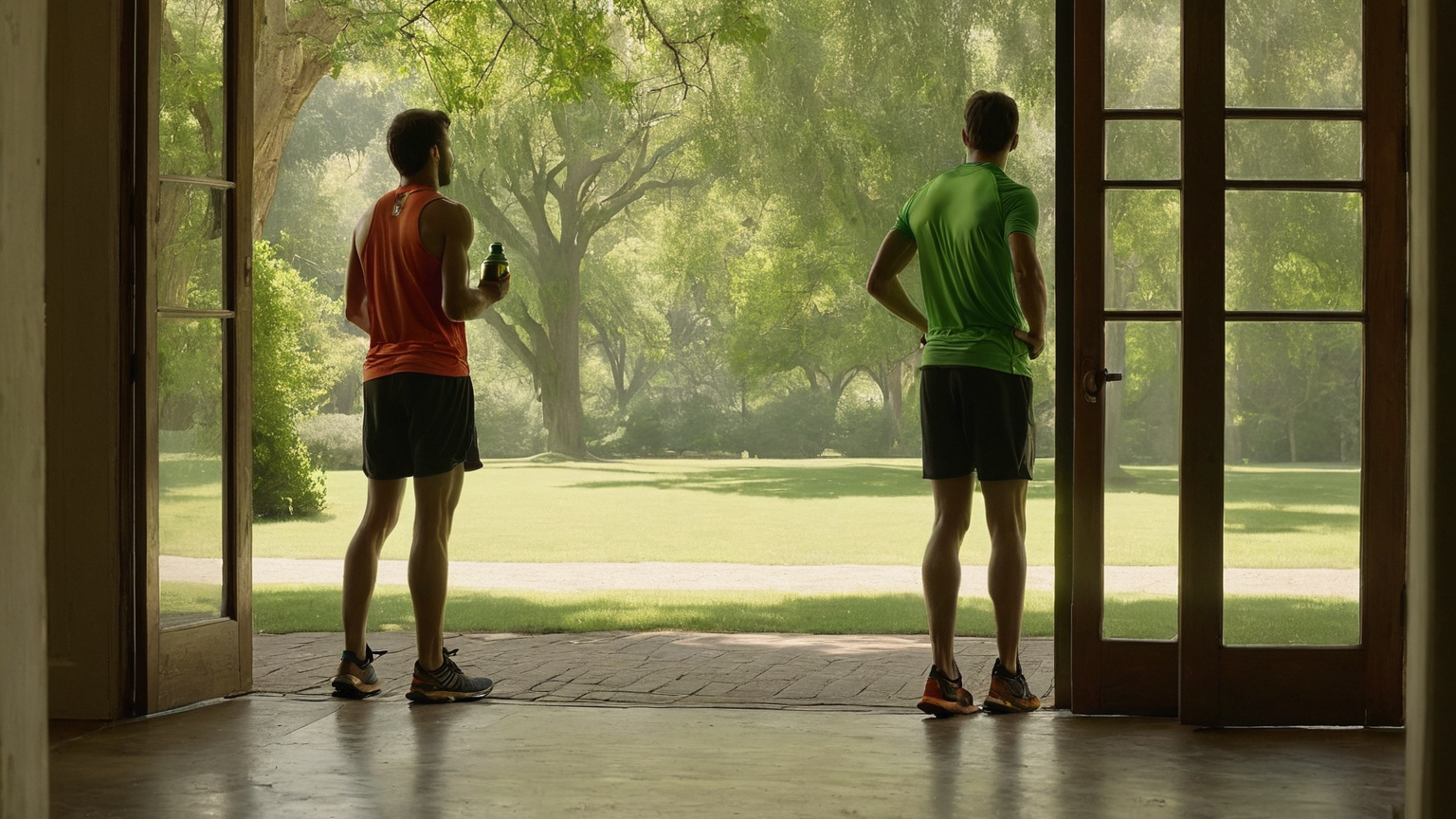
A practical 2026 AQI-based routine for modifying outdoor workouts during wildfire smoke and poor-air days.

A practical 2026 heat-safety routine for outdoor workouts, hydration, warning signs, cooldowns, and when to stop exercising.
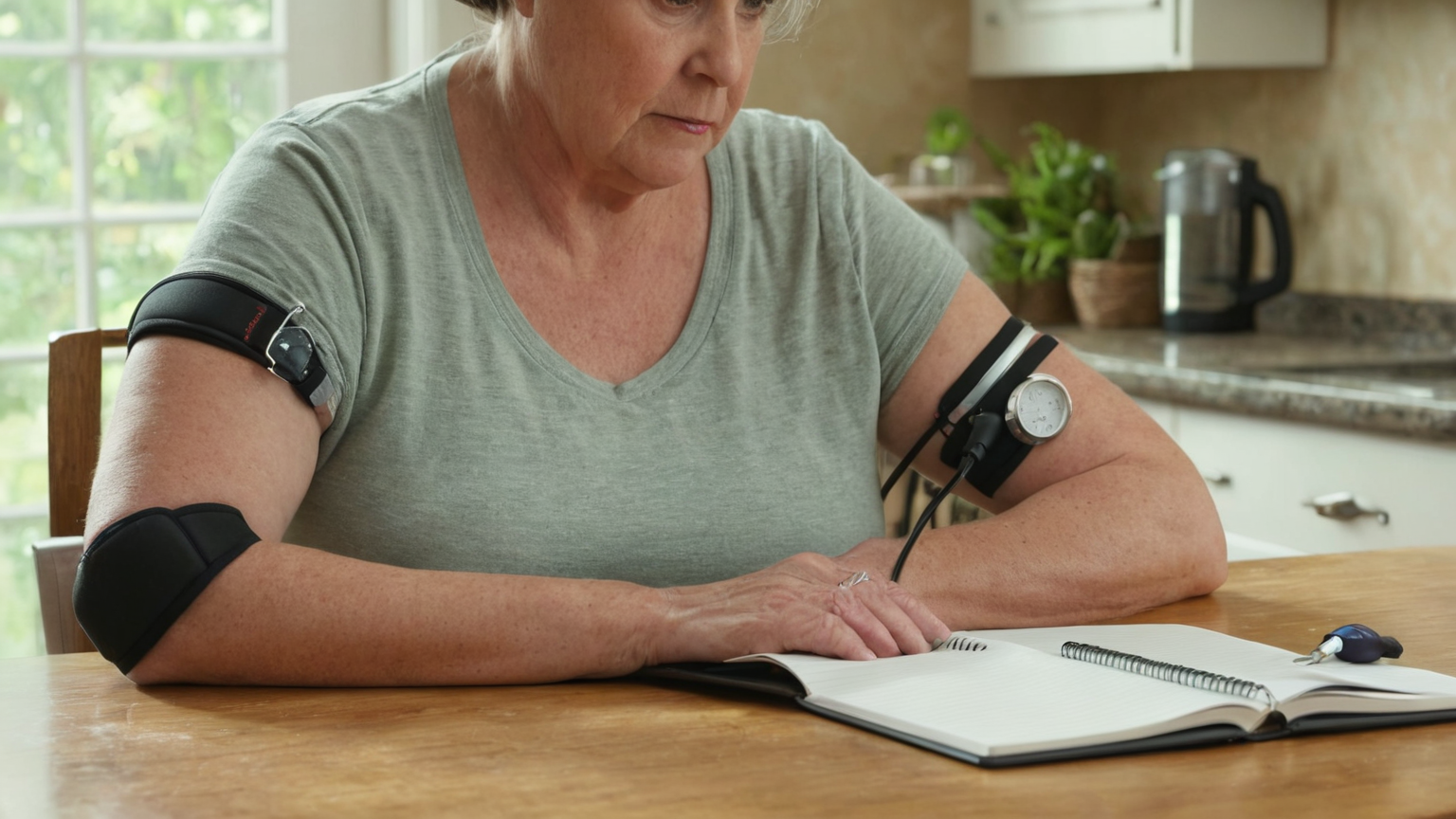
A 2026 practical guide to choosing a cuff routine, taking repeatable home blood-pressure readings, logging results, and knowing when to call a clinician.
JAMA Internal Medicine and Lancet meta-analyses on daily steps and mortality. The 10,000 myth, the 7,000 inflection point, and what the data actually supports.
IOM and EFSA daily water intake recommendations, Mayo Clinic guidance, and what the data shows about the 8-glass-a-day myth and electrolyte balance.
Mayo Clinic sedentary research, Annals of Internal Medicine meta-analyses, and what the data shows on prolonged sitting risks and the 30-minute movement break.
AASM consensus statement, CDC adult sleep surveys, and what the data shows about cognitive, metabolic, and immune costs of less than 7 hours per night.