№ 01Fitness
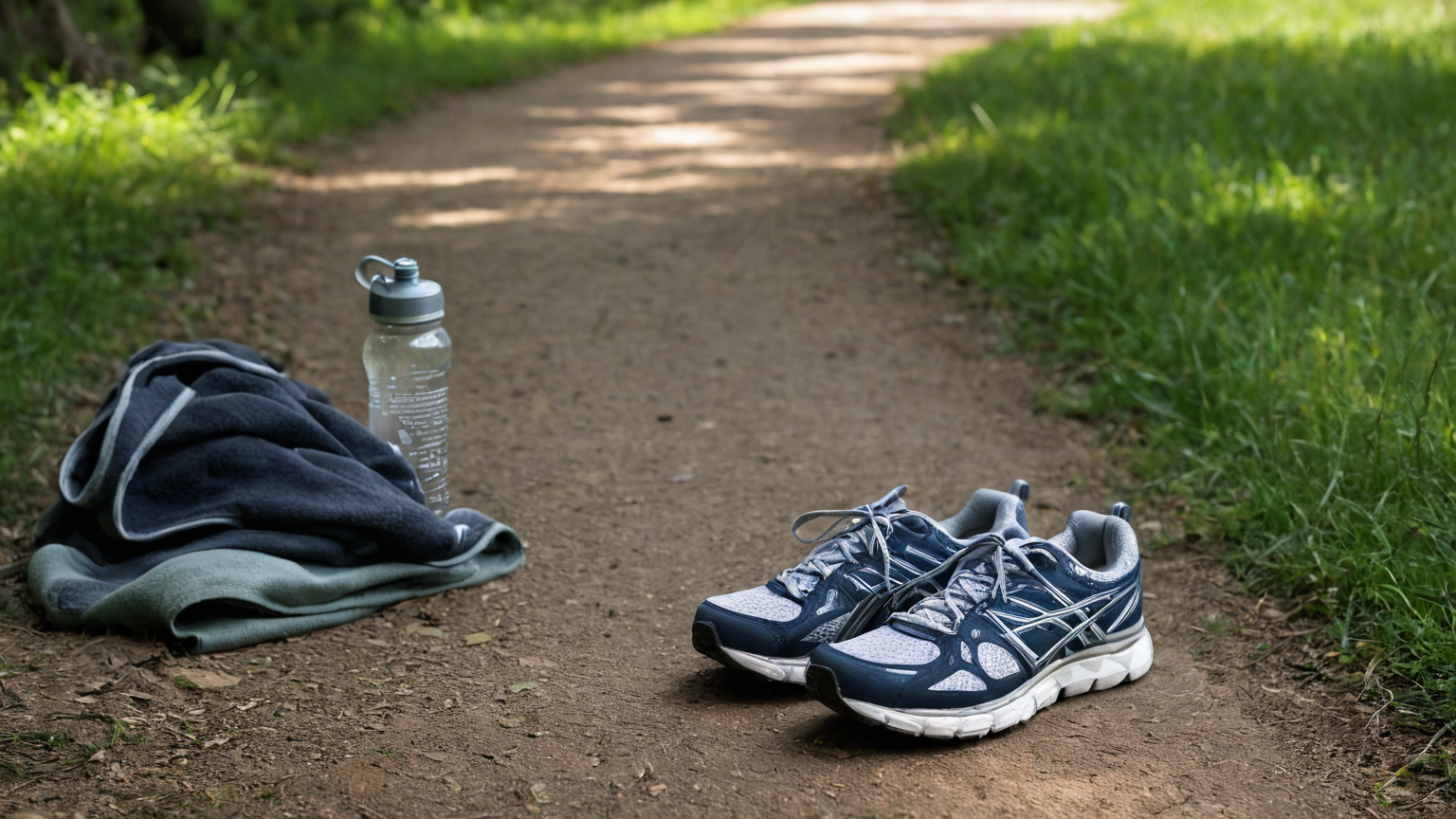
Heat Acclimation Walking Plan: Build Summer Fitness Without Overheating
A practical July 2026 guide to easing into hot-weather walking with heat-acclimation timing, hydration checks, stop rules, and safer backup workouts.
Read →
¶ Category
36 articles
Exercise guides for desk workers and home trainees who need safe, repeatable routines instead of hype.
We prioritize conservative progressions, symptom stop-rules, and field tests that can be repeated without a lab.
Use the safety notes in each article before adding intensity, especially after illness, heat exposure, high blood pressure, or unusual fatigue.
A practical July 2026 guide to easing into hot-weather walking with heat-acclimation timing, hydration checks, stop rules, and safer backup workouts.
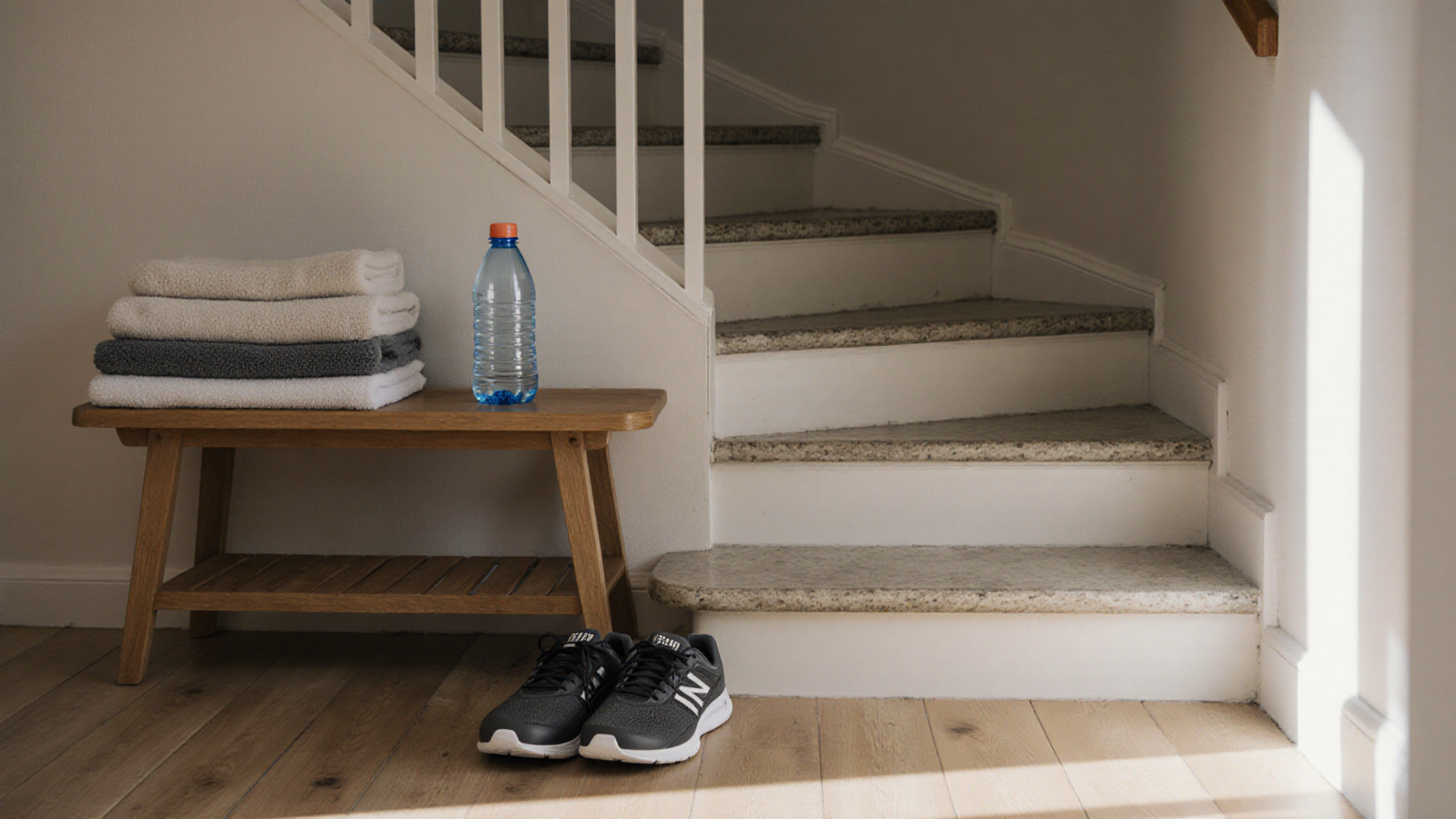
A practical 2026 guide to using stairs for cardio without turning every session into a knee-stress test: setup, progression, stop rules, and safer alternatives.
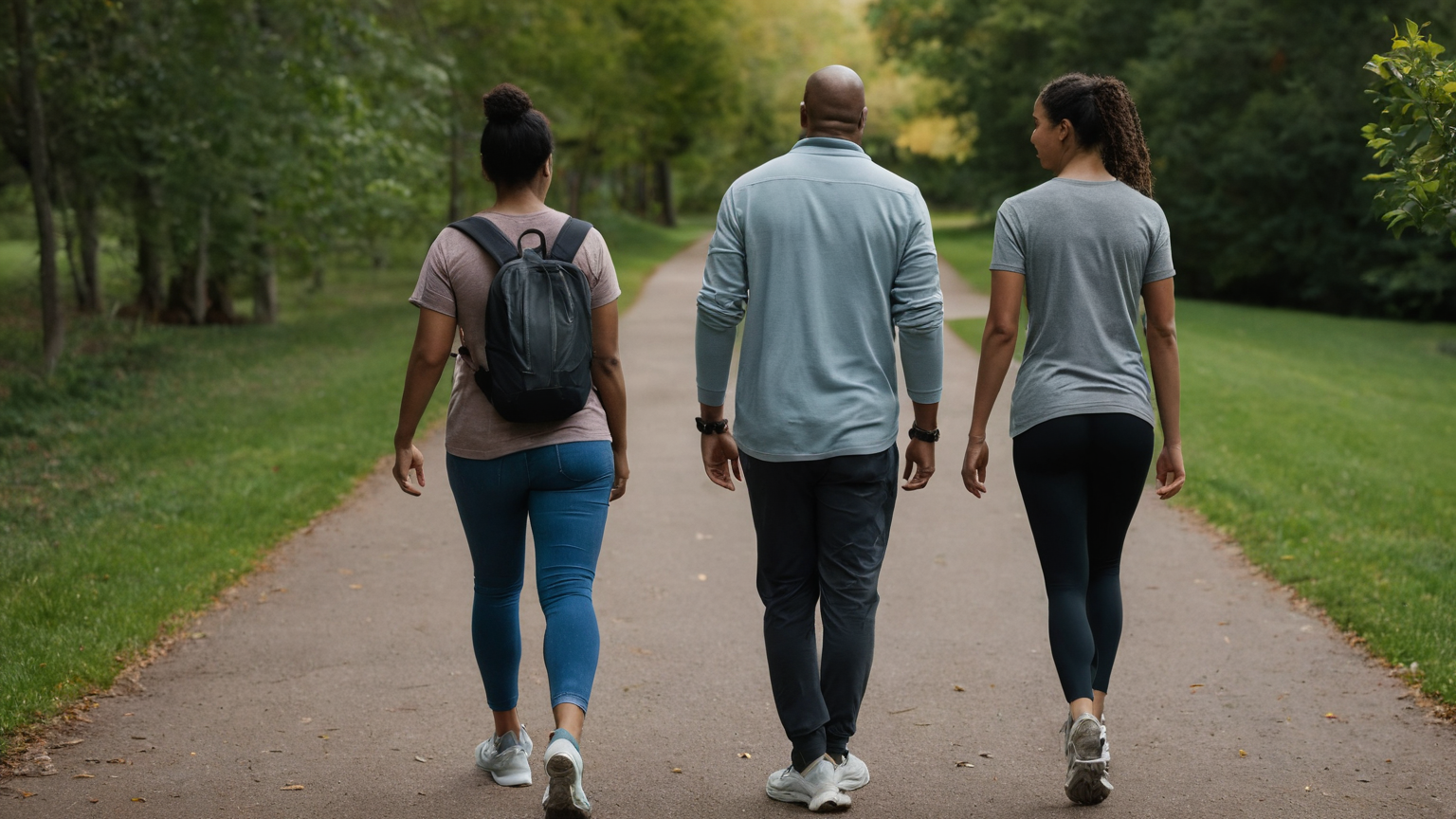
A practical 2026 guide to using the talk test, perceived effort, and heart-rate guardrails for safer zone 2 walking workouts.
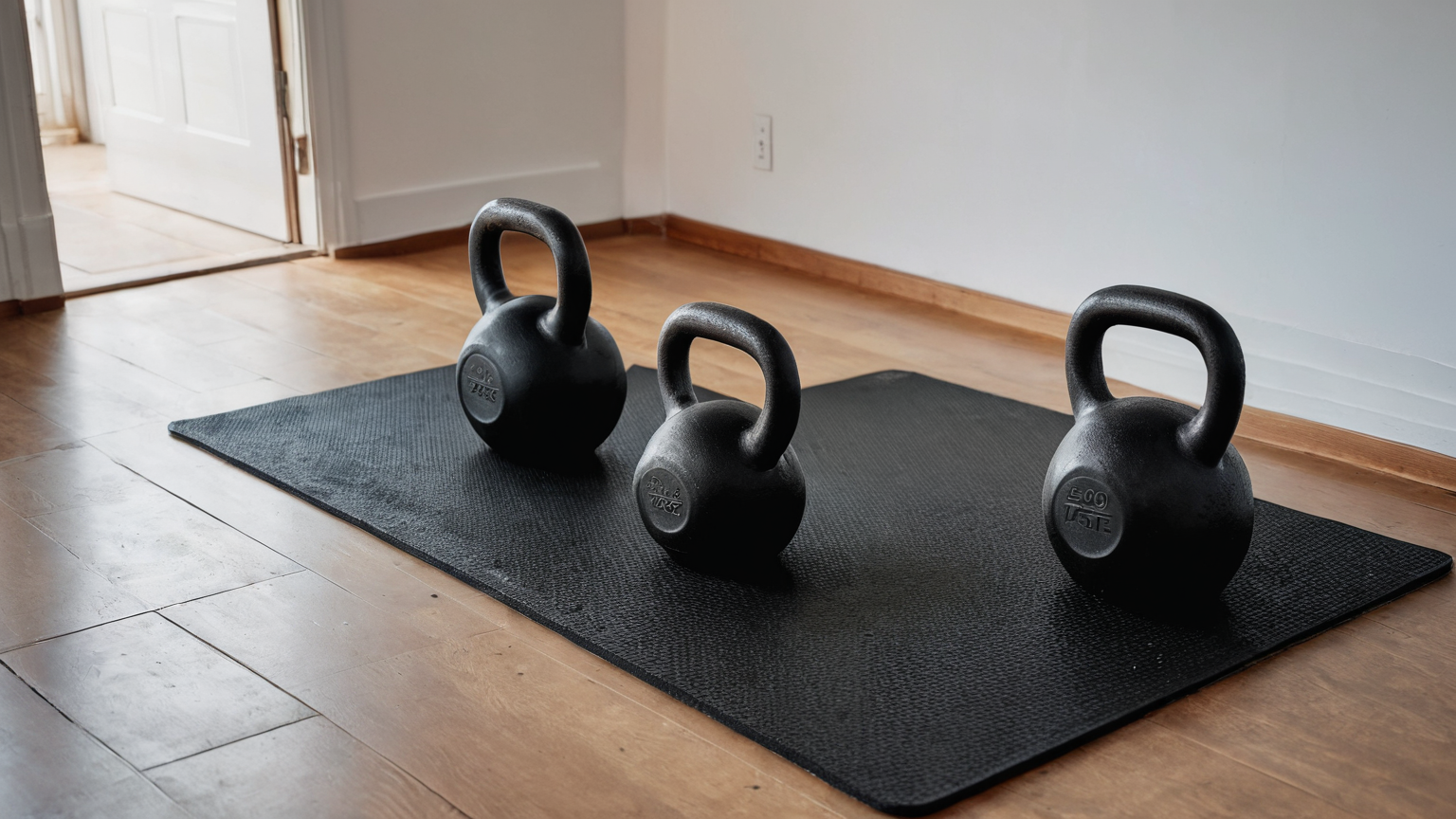
A practical home-workout plan for farmer carries, grip strength, safe loads, walking space, recovery, and stop rules.
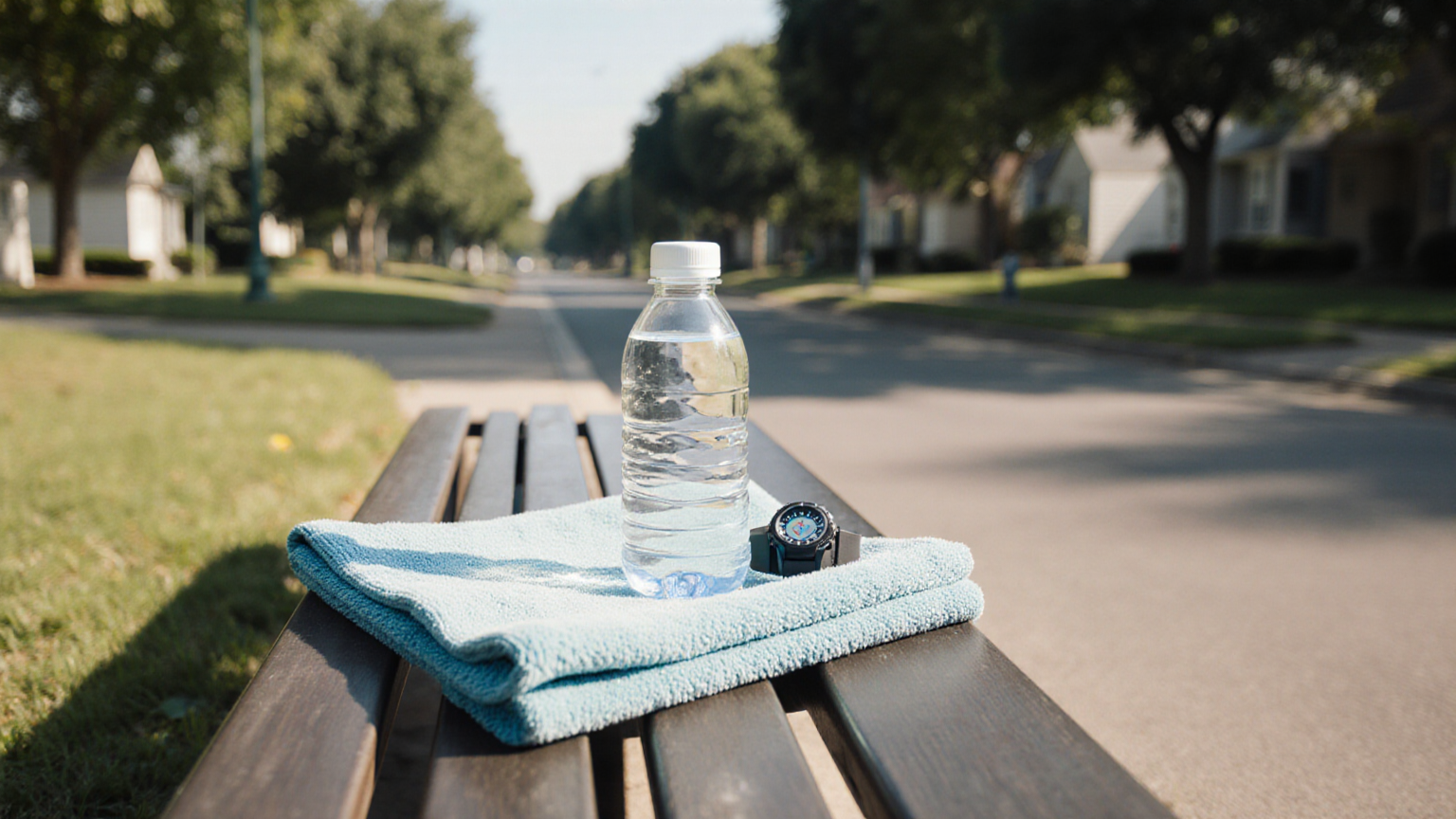
A practical hot-weather walking plan for adjusting pace, hydration, shade, indoor swaps, and recovery when the heat index rises.
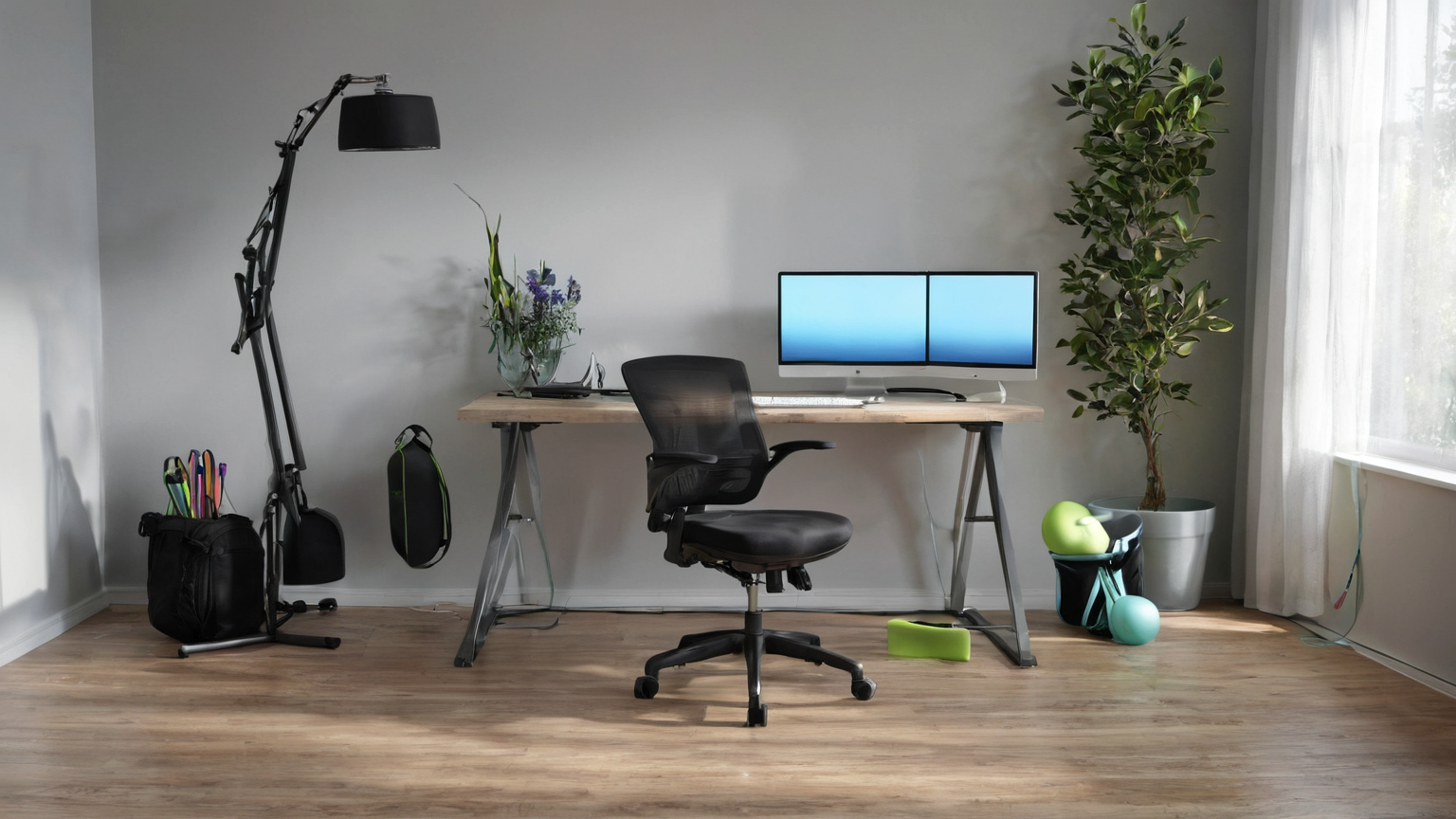
A practical plan for desk workers to reduce shoulder tension with microbreaks, strength progressions, workstation checks, and red flags.
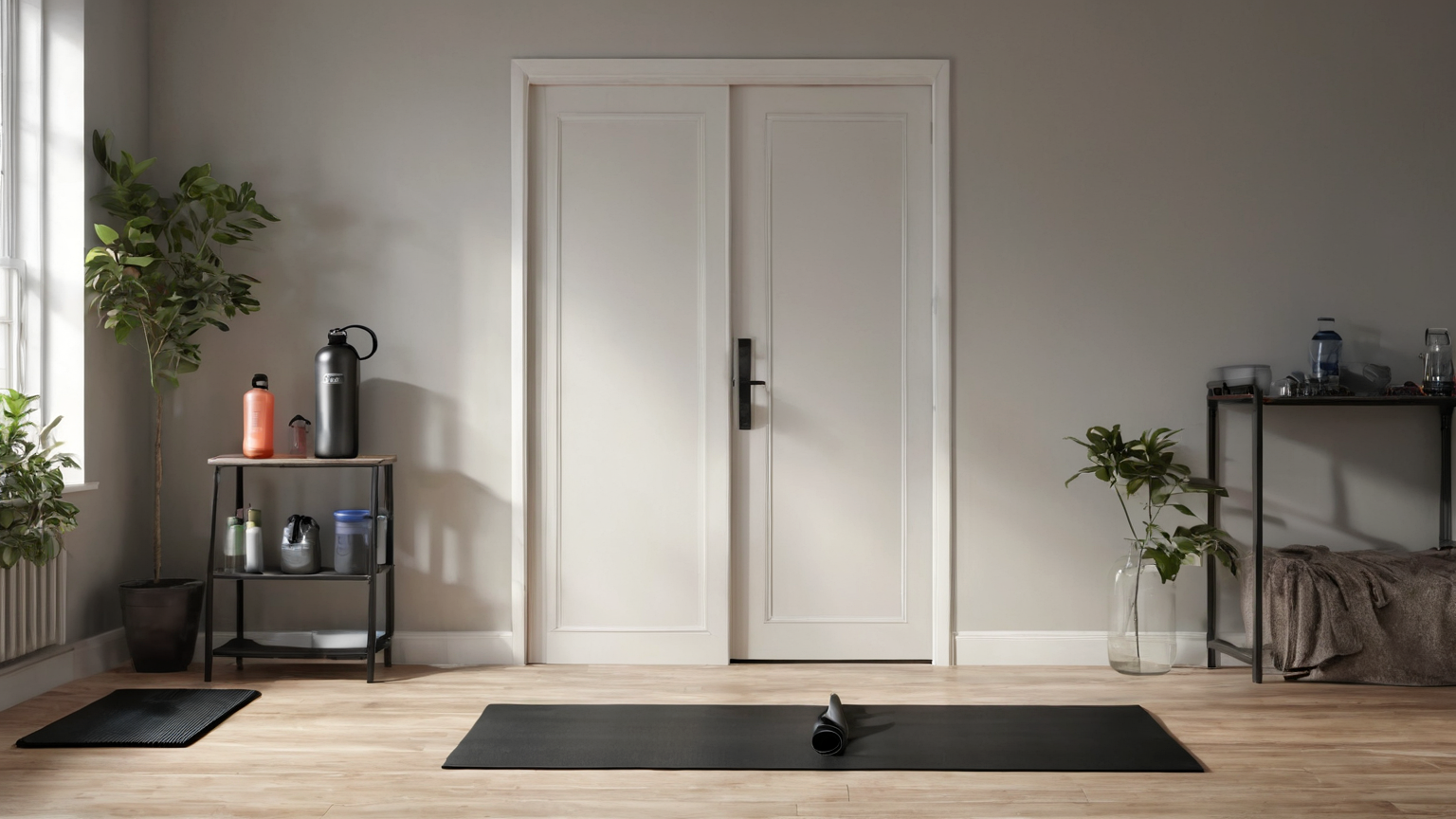
A practical home-fitness guide for checking resistance bands, door anchors, setup space, and stop rules before a band workout.
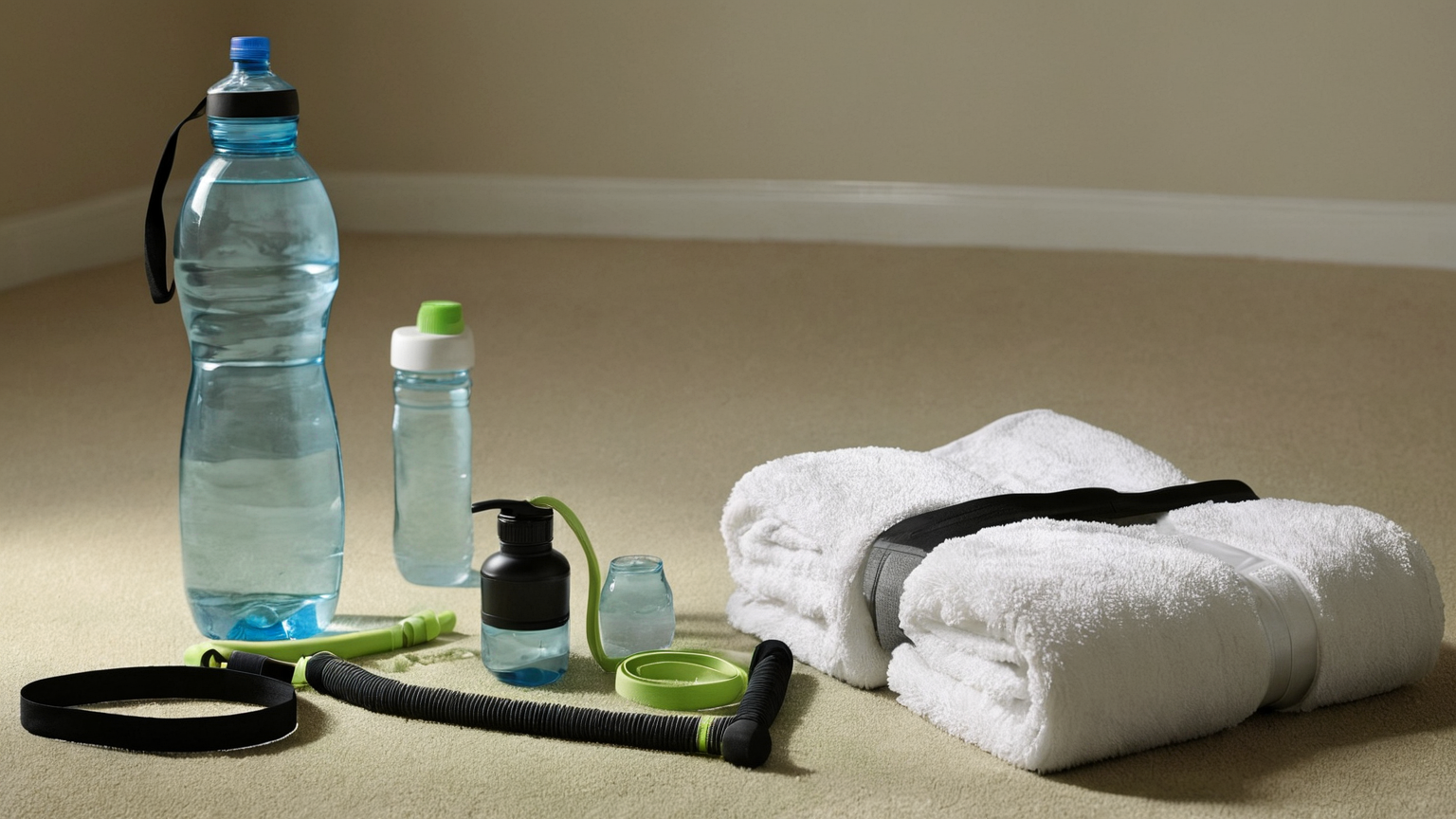
A practical, safety-first routine for using hotel gyms during summer travel: equipment checks, hygiene, hydration, workout swaps, and when to skip.
A practical plan for reducing strength-training load during summer heat, poor sleep, travel, or soreness while preserving progress and safety.
A practical plan for changing outdoor workouts around pollen, air quality, medication side effects, symptoms, and recovery without losing consistency.
A practical 2026 plan for packing, anchoring, scaling, and stopping resistance-band workouts safely while traveling.
A practical plan for improving stair comfort with ankle-mobility checks, calf strength, pacing, footwear context, and knee-pain stop rules.
A practical plan for adjusting training after short sleep: readiness checks, lower-risk workout swaps, recovery blocks, and when to skip hard sessions.
A practical return-to-exercise plan after long flights or road travel: stiffness checks, hydration, sleep debt, blood-clot warning signs, and workout swaps.
A conservative, symptom-aware first-week plan for returning to exercise after a cold, flu-like illness, or mild stomach bug without rushing intensity.
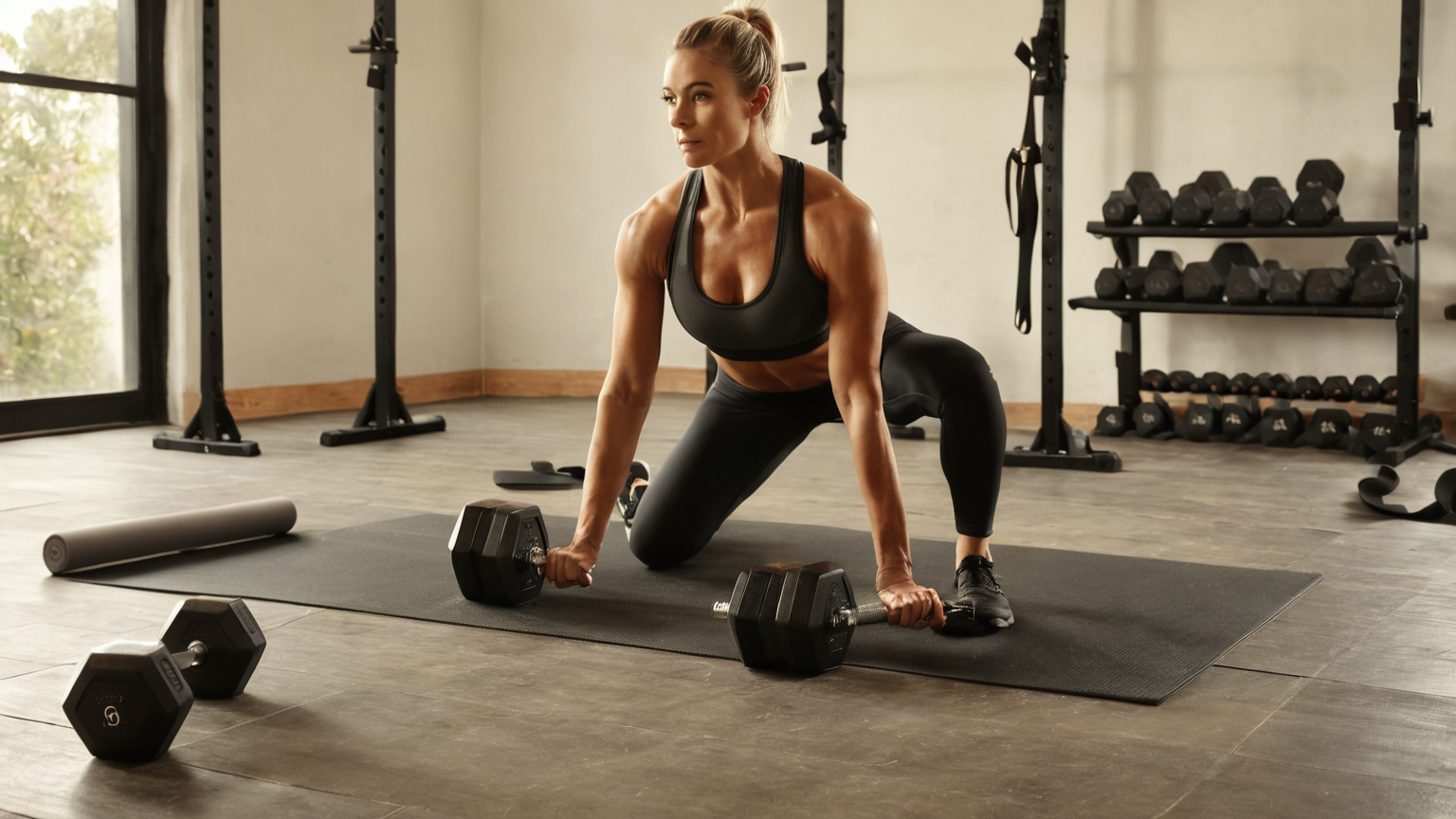
A practical 2026 strength-training warm-up: mobility, activation, ramp-up sets, pain caveats, and a 10-minute template for home or gym sessions.
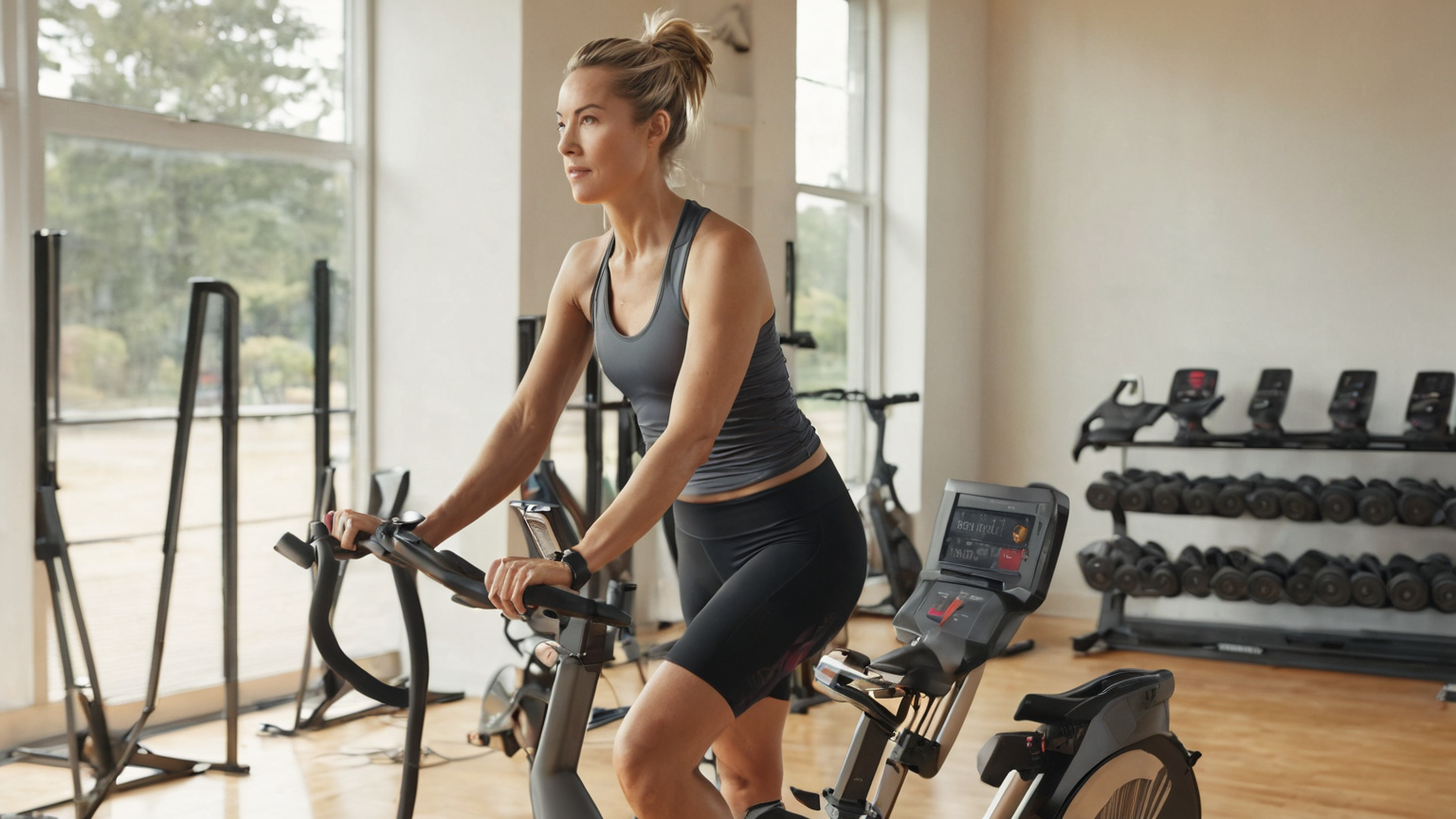
Use the talk test, RPE, and a simple weekly template to build aerobic base without overtraining or expensive metabolic testing.
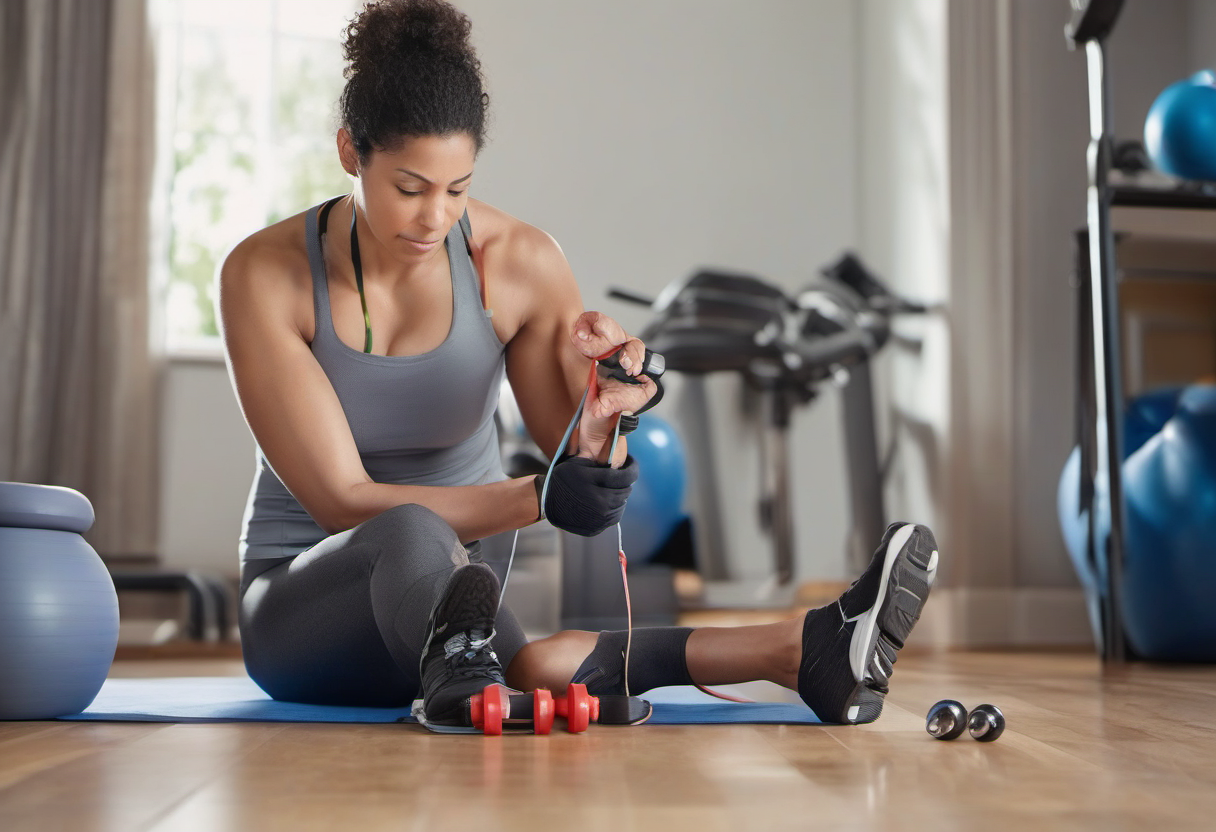
CDC, ACSM, NIH, and sports-medicine evidence translated into a safe grip-strength plan for daily function and training carryover.
AHA, ACSM, CDC, and clinical guidance translated into a practical resistance-training plan for adults tracking blood pressure.

Compare lab VO2 max, Cooper runs, step tests, Rockport walking tests, and wearable estimates with an evidence-based retest plan.

Evidence-based comparison of Zone 2 cardio and HIIT for fat loss, VO2 max, recovery, and sustainable weekly training plans.
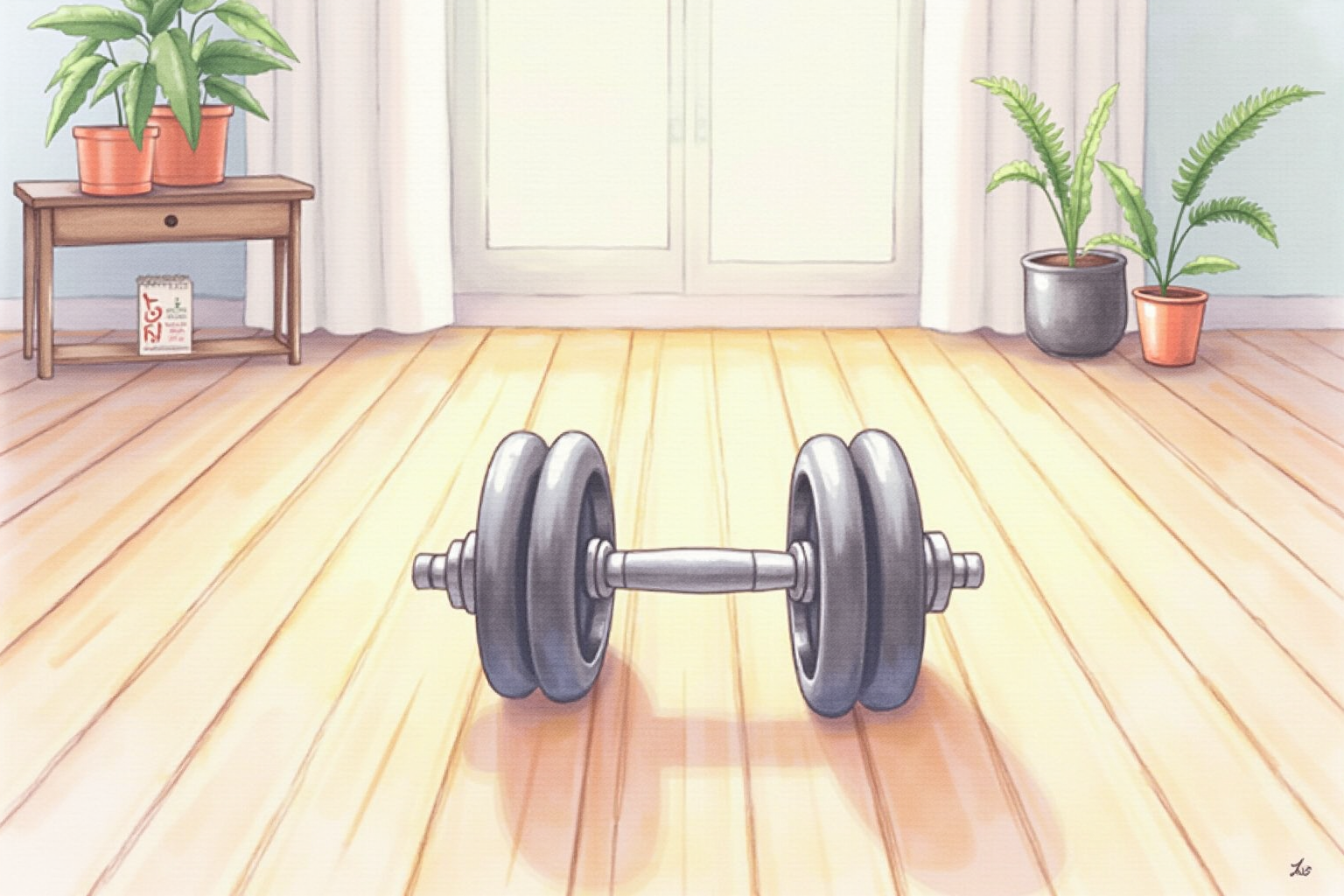
One pair of adjustable dumbbells replaces 15+ pairs of fixed weights. Compared on size, weight range, and durability for home gym use.

Creatine monohydrate is the most-researched legal sports supplement with 30+ years of data. Dosing, timing, and what to expect from the standard 5g daily protocol.
Pure water isn't enough during heavy exercise. Sodium, potassium, magnesium needs, signs of imbalance, and the right electrolyte products for your situation.
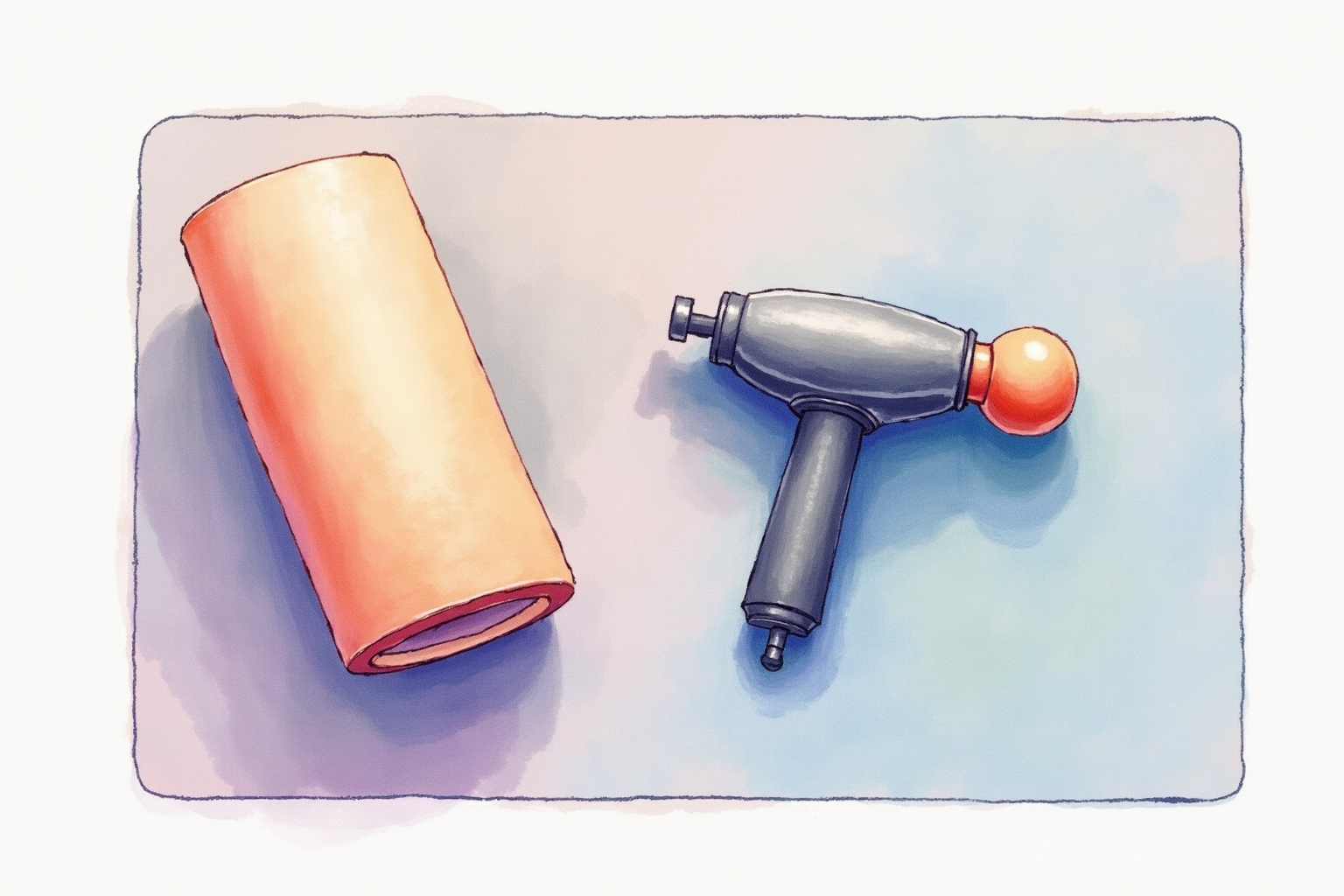
Foam rollers and percussion massage guns address muscle recovery differently. Compared on effectiveness, time efficiency, and which tool fits which use case.

Five training zones from recovery to VO2 max. The 80/20 rule and the practical protocol for finding your zones without a lab test.
Rubber tiles, foam mats, and horse stall mats compared for home gyms. What protects your floor from dumbbells, what feels best for cardio, and what costs least per square foot.
Most beginners buy too-light kettlebells. Here is the right starting weight by gender and goal, plus what comes after the first kettlebell.
Caffeine, beta-alanine, citrulline, and what actually works. Compared on research evidence, dosing, and the ingredients to skip.

Whey isolate, plant blends, and casein each suit different goals. Compared on protein quality (DIAAS), digestion speed, and cost per gram of protein.
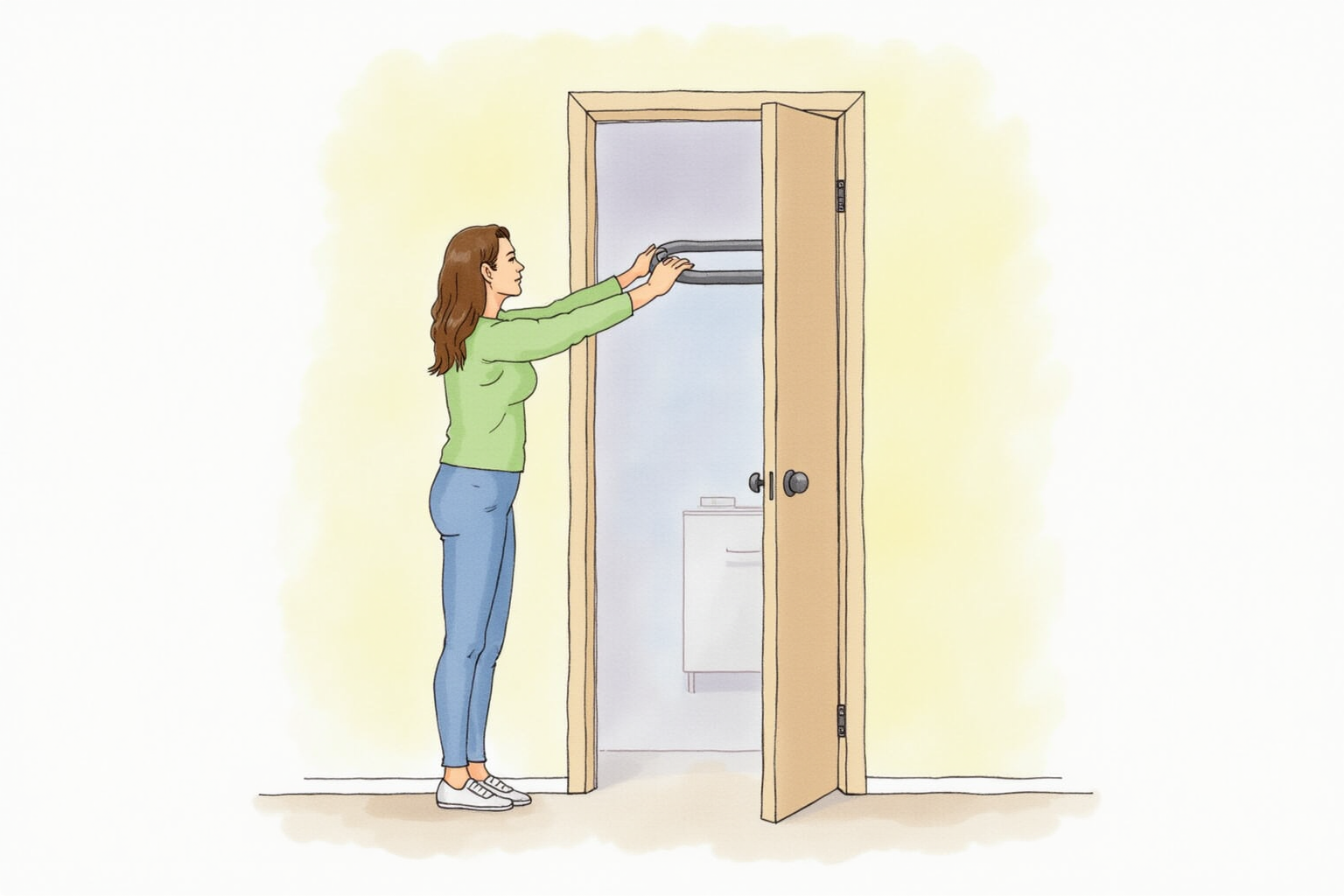
Doorway pull-up bars compared on grip width, weight capacity, padding, and door-frame fit. What actually holds your weight, what scratches your trim, and which install is truly no-drill.
HRV, sleep, training load, and the recovery framework that prevents overtraining. What recovery apps actually measure and when to deload.

Resistance bands compare on tension consistency, durability, and exercise compatibility. The category overview that helps you pick the right type for goals.
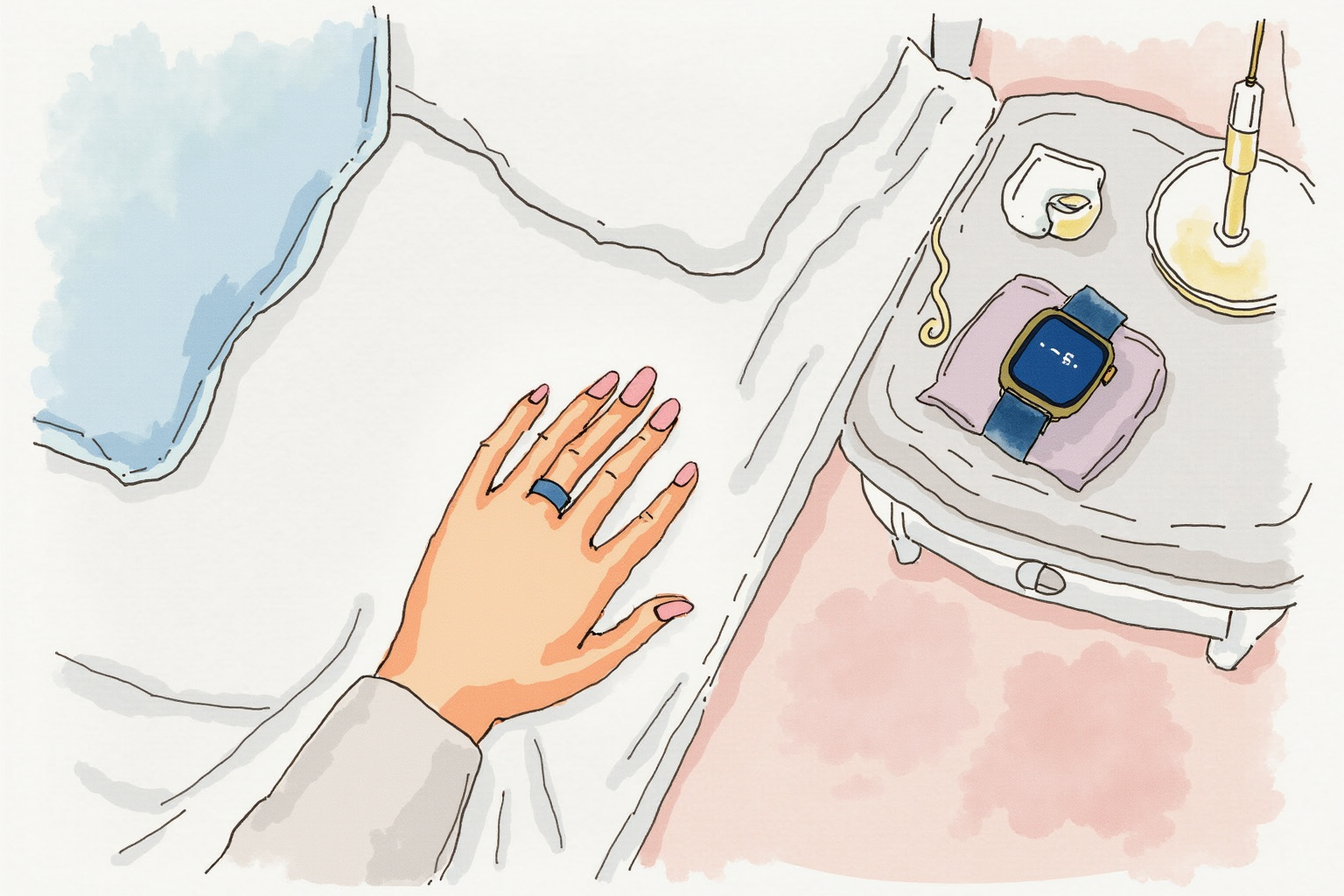
Oura, Whoop, and smart watches compared on sleep stage accuracy. Polysomnography validation, what tracker data actually means for your health.
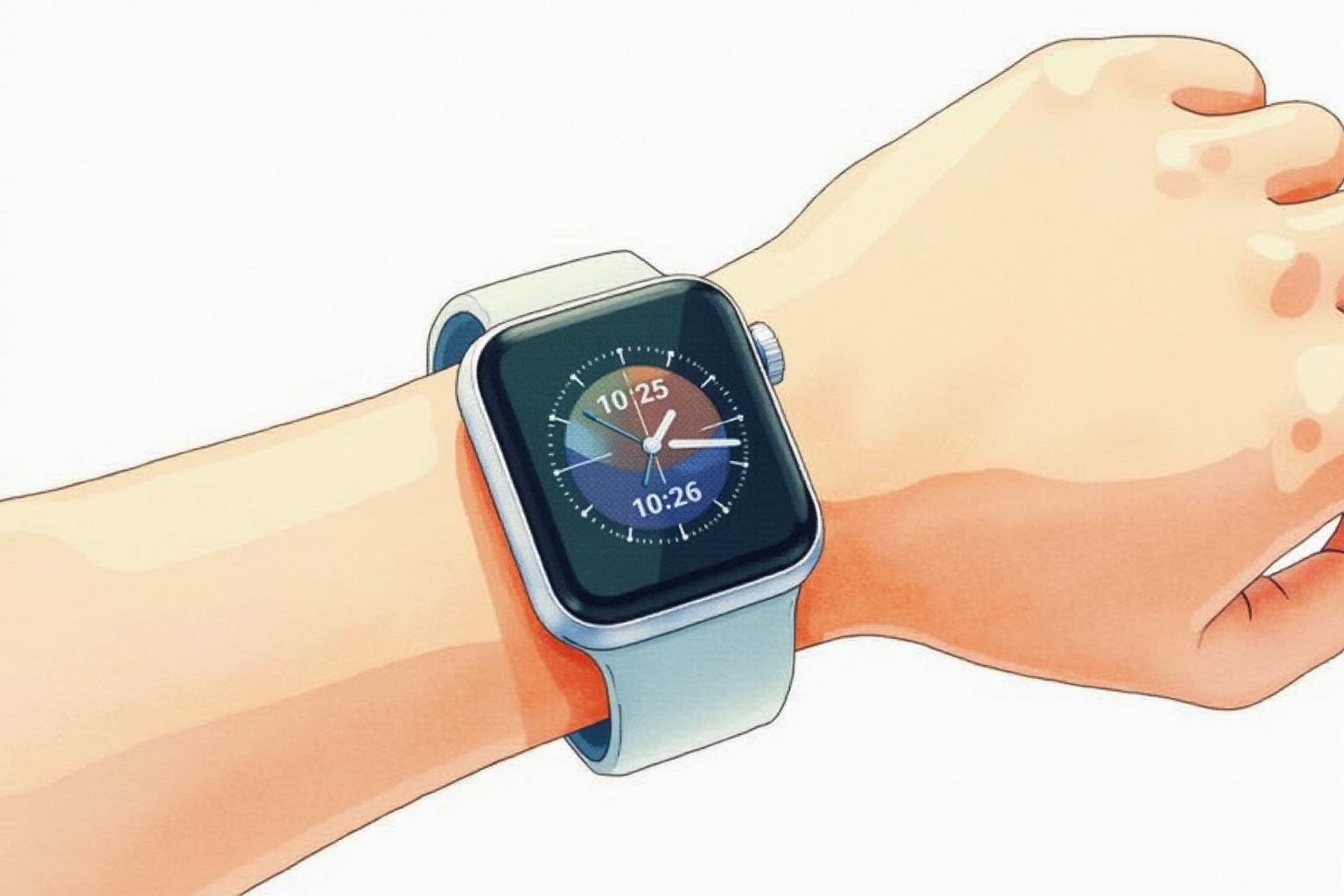
Smart watches add apps, calls, and notifications; fitness trackers focus on metrics with better battery. Which one fits your lifestyle and goals.
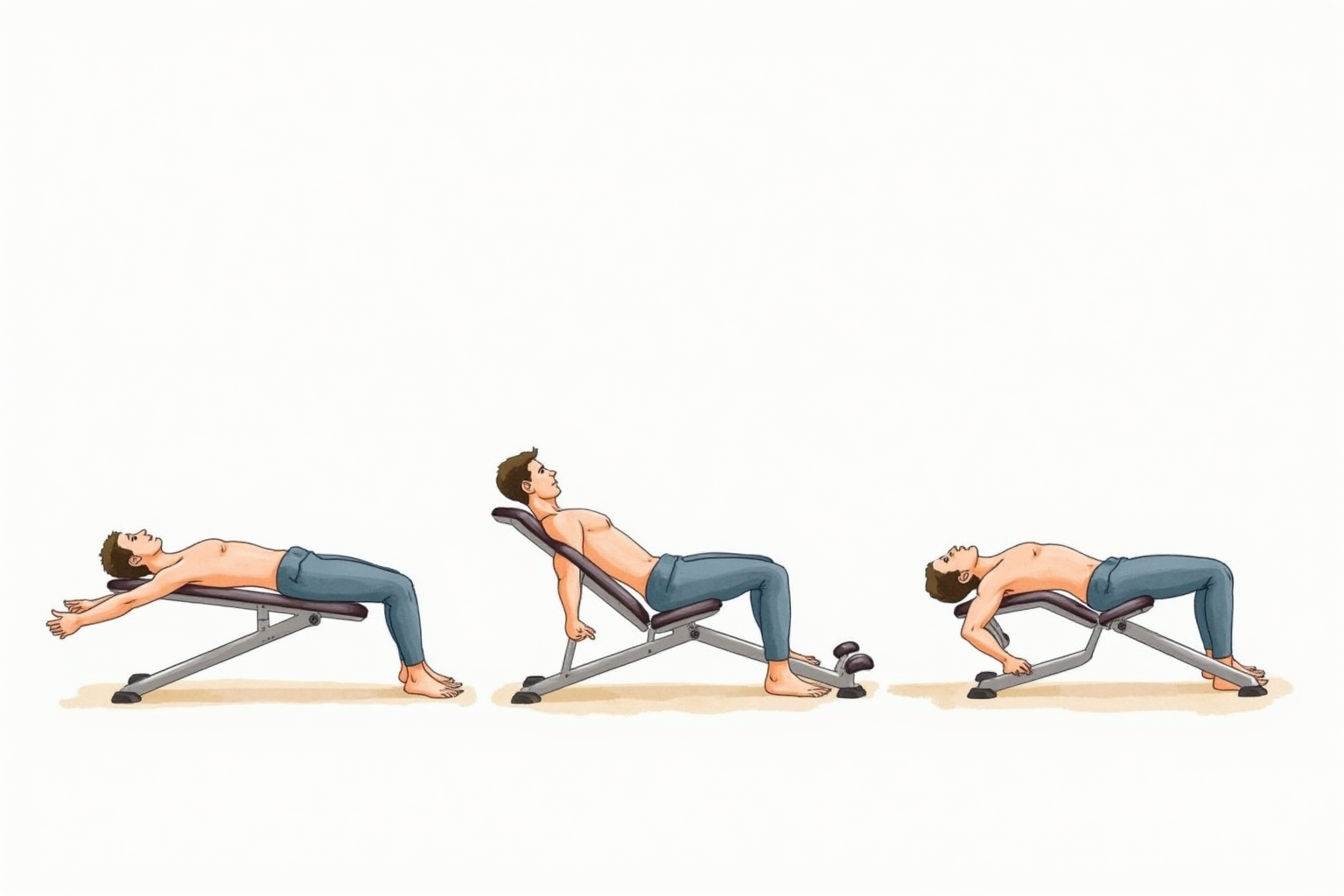
Adjustable weight benches compared on weight capacity, incline positions, pad density, and storage. Flat vs adjustable, FID vs FI, and what features actually matter for home gyms.