Zone 2 Cardio Without Lab Gear: A Talk-Test Plan for 2026
Use the talk test, RPE, and a simple weekly template to build aerobic base without overtraining or expensive metabolic testing.

This article is for general education only and is not medical advice. Stop exercise and seek qualified care for chest pain, fainting, severe shortness of breath, neurological symptoms, uncontrolled blood pressure, recent surgery concerns, pregnancy-related concerns, or symptoms that worsen instead of improving.
Evidence and boundary review
BodyWise Lab articles cite primary sources, show update dates, and separate practical routines from clinical decisions. Source-checking is an editorial process, not a personal medical endorsement.
Zone 2 training is useful because it makes easy work repeatable. The problem is that many guides turn it into a device problem: lactate meters, exact heart-rate zones, watch algorithms, and lab thresholds. For most recreational adults, a safer starting point is simpler: use the talk test, keep the session boring enough to repeat, and progress volume slowly. As of May 2026, public-health guidance still emphasizes regular moderate aerobic activity plus strength training; this article translates that into a practical low-drama plan rather than a performance promise.
The quick rule
If you can speak in full sentences but would not want to sing, you are probably near a useful moderate aerobic effort. If you can only answer in short phrases, back off. If you can sing easily, you may be below the target for this specific session, though it can still count as light recovery.
| Signal | Too easy | Useful easy-aerobic range | Too hard |
|---|---|---|---|
| Talk test | Singing is easy | Full sentences possible | Short phrases only |
| RPE 1–10 | 1–2 | 3–4, occasionally 5 | 6+ |
| Breathing | Nose-only effortless | Deeper but controlled | Choppy or urgent |
| Next-day feel | No training signal | Ready to repeat | Heavy legs, poor sleep |

Build the week before chasing the zone
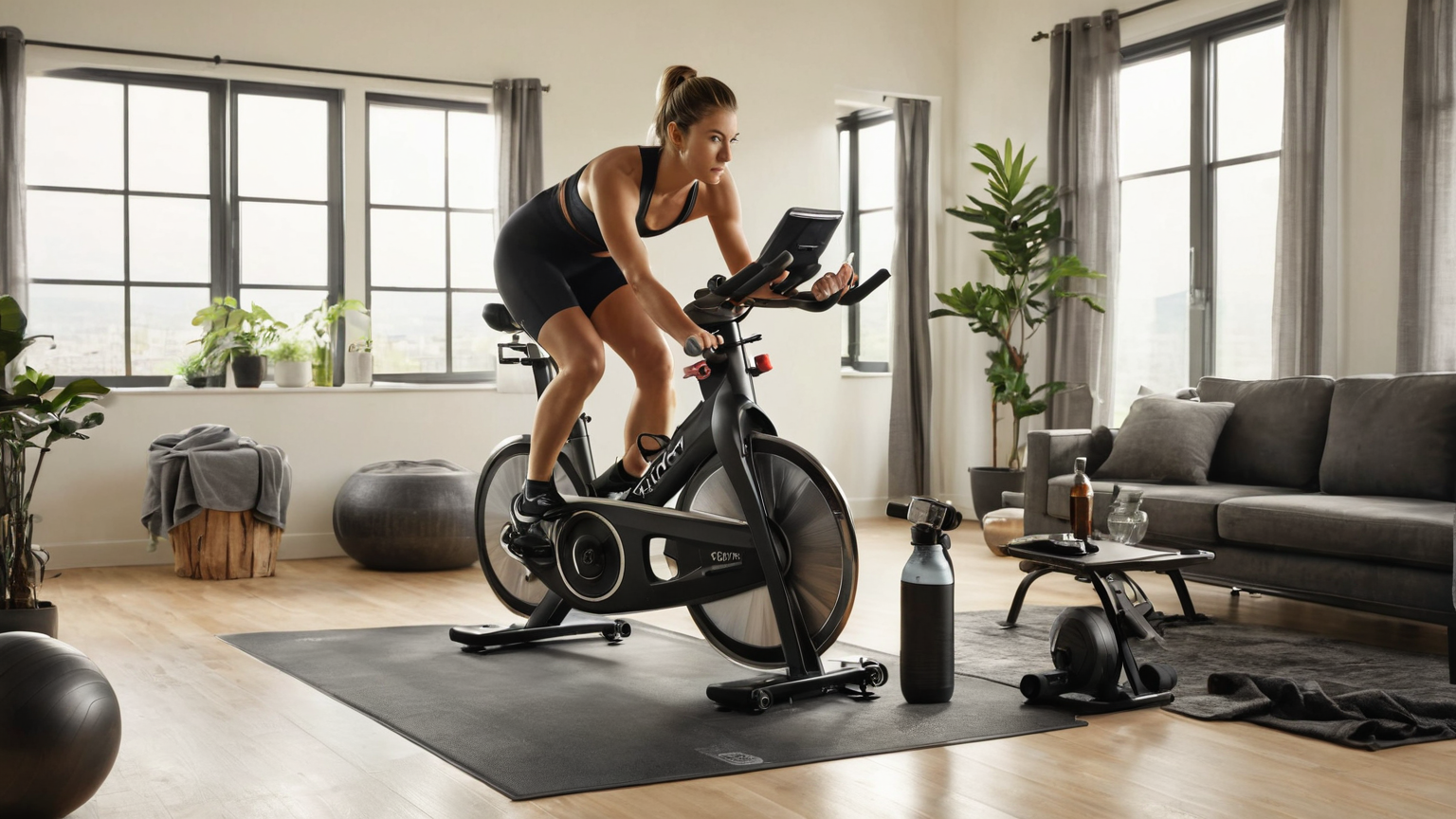
Start with two or three 25–35 minute sessions per week. Walk hills, cycle, row, jog-walk, or use an elliptical. The machine matters less than whether you can keep the effort steady. Add only one variable at a time: five more minutes, one more weekly session, or slightly more terrain—not all three.
A four-week starter plan
| Week | Sessions | Main set | Progression note |
|---|---|---|---|
| 1 | 2 | 25 minutes conversational | Learn your easy pace |
| 2 | 3 | 25–30 minutes | Keep the third day very easy |
| 3 | 3 | 30–35 minutes | Add time only if recovery is normal |
| 4 | 2–3 | 25–40 minutes | Deload if legs feel flat |

Heart rate is a guardrail, not the whole dashboard
Wrist heart-rate sensors can lag during hills, cold weather, gripping handlebars, or interval-like surges. Use them as a trend check. If the watch says easy but your breathing is hard, trust breathing. If the watch says high but you feel conversational, check the sensor fit and compare with another session before changing the plan.
Common failure modes
- Turning every easy day into a threshold workout because the pace feels embarrassingly slow.
- Adding volume during a poor-sleep week.
- Copying an athlete’s weekly hours instead of your own recovery capacity.
- Treating a device zone as a medical diagnosis. Chest pain, unusual shortness of breath, faintness, or new symptoms belong with a clinician, not a training spreadsheet.

Decision tree
- New to exercise or returning after illness? Start with walking and seek medical guidance if you have symptoms or significant risk factors.
- Can you repeat the session 48 hours later? If no, reduce duration.
- Can you speak in sentences? If no, slow down.
- Bored but recovered? Add five minutes next week.
- Stalled for a month? Add one short strength session or one slightly longer easy day, not more intensity.

How to use a watch without letting it run the plan
A heart-rate watch can help you notice trends, but it should not overrule breathing, symptoms, or recovery. Compare the watch number with the talk test after the first ten minutes, then again near the end. If a cold morning, loose sensor, wrist position, or hill makes the reading jump while breathing stays easy, record the mismatch instead of panicking. If breathing is hard while the watch claims the effort is easy, slow down anyway.
Who should start more conservatively
Start with shorter sessions or clinician input if you are returning after illness, have chest symptoms, have uncontrolled blood pressure, are pregnant, are new to exercise, or have been told to limit intensity. Zone 2 is not a loophole around medical restrictions. It is a simple way to keep aerobic work repeatable when easy movement is appropriate.
Practical adjustments by scenario
| Scenario | Adjustment | Why it helps |
|---|---|---|
| You keep drifting into hard breathing | Slow down, flatten the route, or switch to walk intervals | The goal is repeatability, not proving fitness |
| Legs feel heavy the next morning | Repeat week one or cut the next session by 10 minutes | Recovery is the signal that the easy work was actually easy |
| The watch zone disagrees with the talk test | Trust breathing first and review sensor fit later | Devices can lag or misread during grip, cold, hills, or sweat |
| You are rebuilding after illness | Use walking and stop rules before structured cardio | Post-illness fatigue can show up after the session, not during it |
What progress should feel like
The first sign of progress is not a heroic pace. It is that the same route feels calmer, the next day feels normal, and you can add time without stealing recovery from strength training, work, or sleep. If every session needs motivation music and negotiation, it is probably too hard for this plan.
Bottom line
Zone 2 is not magic. It is a label for sustainable aerobic work. The best version is the one you can repeat for months while still sleeping, lifting, working, and living normally.
Talk-test decision table
| What happens during the session | Zone 2 interpretation | Adjustment |
|---|---|---|
| You can speak in full sentences | Likely easy enough for base work | Continue if symptoms stay normal |
| You can only speak short phrases | Probably drifting too hard | Slow down or add walk breaks |
| Breathing feels strained early | Not a base-building day | Shorten the session or choose mobility |
| Heat, smoke, illness, or poor sleep is present | Heart rate may be misleading | Use a more conservative effort |
| You feel chest pain, faintness, or unusual breathlessness | Not a training-zone problem | Stop and seek appropriate care |
A four-week beginner progression
Week one can be three sessions of 15 to 25 minutes at conversational effort. Week two can add five minutes to one or two sessions. Week three can keep the same duration but make the pacing smoother. Week four can add a slightly longer session if recovery is normal. The goal is not to prove discipline with hard breathing; it is to build a repeatable aerobic habit that leaves you able to train again.
If you use a watch, treat heart-rate zones as estimates. Wrist sensors, formulas, heat, caffeine, sleep debt, and dehydration can shift numbers. The talk test gives a reality check because it asks what the workout actually feels like. For many readers, the best zone 2 plan is not a perfect lab value; it is a pace they can repeat without dreading the next session.
Who should be more cautious
People with cardiovascular disease, chest symptoms, fainting history, uncontrolled blood pressure, pregnancy-related restrictions, or recent illness should get individualized guidance before using internet training zones. Beginners should also avoid adding HIIT on top of every base session. Build volume gradually, then add intensity only when easy work is truly easy.
Source interpretation note
Exercise guidelines support regular aerobic activity, but they do not require consumer devices or lab testing for every person. This article uses the talk test as a practical intensity guardrail. It is not a diagnostic tool, and symptoms or clinician restrictions override any zone target.
Common mistakes to avoid
The most common mistake is turning every easy session into a hidden tempo workout. If the route has hills, heat, wind, poor air, or social pressure, the talk test may fail even though the watch still displays a comfortable number. Slow down early instead of waiting for the session to become difficult. Base training works because it is repeatable, not because it feels impressive.
Another mistake is adding more sessions before the existing sessions feel stable. If three conversational workouts leave you unusually tired, keep the same frequency and shorten duration. If they feel easy for two weeks, add a small amount of time. Intensity can wait until the easy foundation is truly easy.
Example substitutions
| Original plan | Easier base-building version | Why it helps |
|---|---|---|
| 30-minute hard run | 25-minute run-walk conversation pace | Keeps breathing controlled |
| Hilly route | Flat loop or treadmill incline-free walk | Removes intensity spikes |
| Group ride with surges | Solo easy ride | Reduces social pressure |
| Hot afternoon cardio | Morning indoor walk or cycle | Lowers heat-related drift |
Final pre-session script
Start the session with one sentence: “This workout is successful if I can talk comfortably at the end.” That script changes the goal from speed to repeatability. If you finish feeling like you could do the same session again tomorrow, the intensity was probably closer to the intended base-building range. If the session is part of a larger week, protect the easy days so the harder days have a purpose. Turning every day medium-hard often produces fatigue without clear progress. Keep the log simple: duration, perceived effort, talk-test result, and how you felt the next morning.