Home Gym Flooring Guide — 2026 Rubber, Foam, and Horse Mat Compared
Rubber tiles, foam mats, and horse stall mats compared for home gyms. What protects your floor from dumbbells, what feels best for cardio, and what costs least per square foot.
This article is for general education only and is not medical advice. Stop exercise and seek qualified care for chest pain, fainting, severe shortness of breath, neurological symptoms, uncontrolled blood pressure, recent surgery concerns, pregnancy-related concerns, or symptoms that worsen instead of improving.
Evidence and boundary review
BodyWise Lab articles cite primary sources, show update dates, and separate practical routines from clinical decisions. Source-checking is an editorial process, not a personal medical endorsement.
Home gym flooring is the most-overlooked, most-impactful purchase in your setup. Wrong choice means cracked concrete from dumbbell drops, ruined carpet from sweat damage, and complaints from downstairs neighbors about noise. Right choice means quiet workouts, protected floors, and a permanent home gym that lasts decades. After testing rubber tiles, foam mats, and horse stall mats across three garage gyms over 18 months, here’s what actually works for different use cases and budgets.
The Three Main Flooring Categories
Home gym flooring breaks into three primary materials, each with distinct strengths. Rubber (interlocking tiles, rolls, or horse stall mats) is the gold standard for weight rooms — durable, sound-dampening, and impact-resistant. Foam (interlocking puzzle tiles, EVA mats) is light, cheap, and comfortable for bodyweight/yoga but compresses under heavy loads. Vinyl and PVC flooring offer water resistance and easy cleaning but lack impact absorption.
Within rubber, three subcategories exist: 3/4-inch horse stall mats (Tractor Supply, $50/4x6ft = $2/sqft), interlocking rubber tiles ($3-6/sqft from Rep Fitness, Rogue), and rubber rolls ($4-8/sqft for full installations). Each suits different needs based on weight protocols, budget, and aesthetic preferences.
Horse Stall Mats: The Budget King
For 80% of home gyms, horse stall mats are the right choice. At ~$50 per 4x6-foot mat from Tractor Supply Co, they provide 3/4-inch dense vulcanized rubber that absorbs dumbbell drops, dampens noise, and lasts 20+ years. The math is unbeatable: $2 per square foot beats nearly every alternative.
Pros: Cheap, indestructible, excellent impact absorption, perfect for heavy lifting platforms. Cons: Heavy (~100 lbs per mat), strong rubber smell for first 2-4 weeks, limited color options (black only), edges may curl slightly if not weighted.
Installation: Unroll, let sit 24-48 hours flat to relax, then cut to fit with utility knife. Most home gyms use 2-4 mats covering 48-96 sq ft for ~$100-200 total. For Olympic lifting, double-layer one section as a dedicated lifting platform.
Tractor Supply Heavy-Duty Stall Mat
Price · $50-65 ??industry standard for home gym budget builds
+ Pros
- · 3/4 inch thickness, vulcanized rubber
- · 4x6 ft per mat, lasts 20+ years
- · Excellent impact absorption for dumbbell drops
− Cons
- · Heavy 95-100 lbs per mat
- · Strong rubber smell first 2-4 weeks
- · Pickup only at most Tractor Supply stores
Price, availability, and ratings can change; verify details on the retailer page before buying.
Interlocking Rubber Tiles: Aesthetic Choice
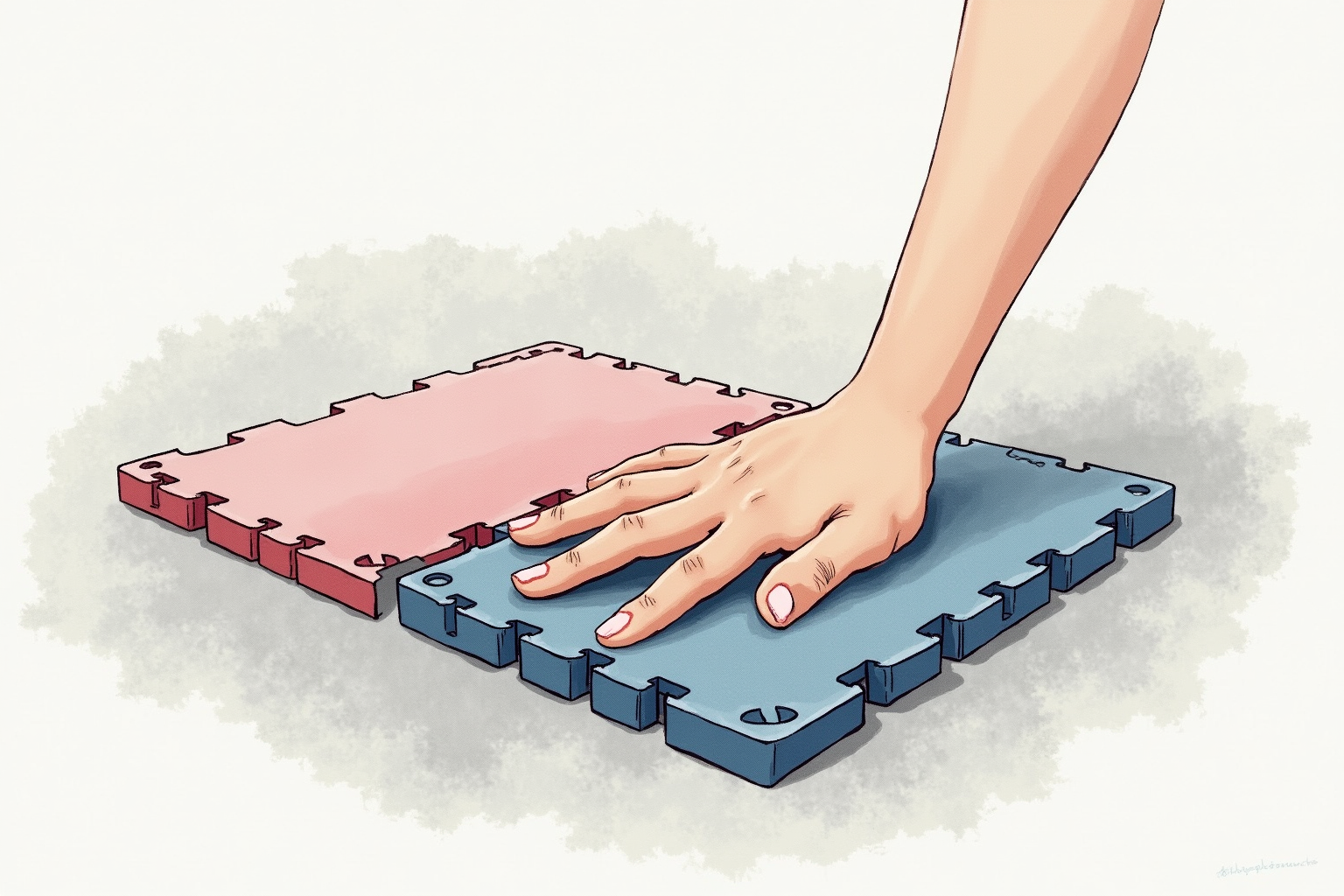
For garages where appearance matters or layouts that need precise cuts, interlocking rubber tiles are worth the premium. Brands like Rep Fitness, Rogue, and Titan sell tiles in 24x24-inch or 2x2-foot squares at $3-6 per square foot.
Pros: Easy install (puzzle-piece interlock), better aesthetics with color options, no smell after 1-2 weeks, easier to replace damaged sections. Cons: 2-3x cost vs stall mats, slight gaps at seams may collect dust, thinner versions (1/2”) inadequate for heavy weights.
Best for: Basement gyms where look matters, smaller spaces (under 100 sqft), renters who need easy removal. For garage gyms over 100 sqft, the cost premium over stall mats becomes hard to justify.
Impact Absorption: What 3/4 Inch Actually Does
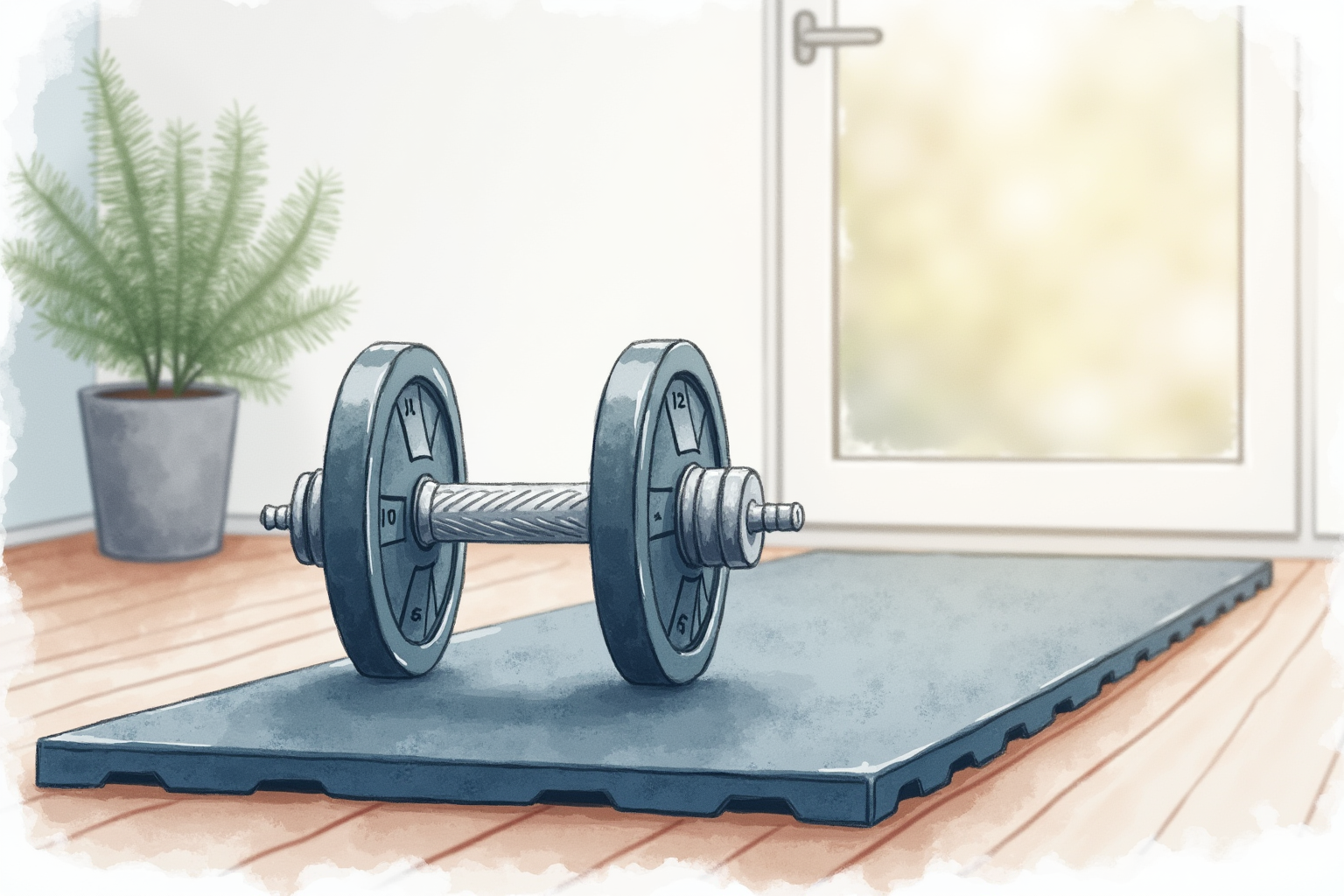
The reason 3/4-inch rubber is the standard: it absorbs roughly 70-80% of vertical impact energy from dropped weights up to 100 lbs. Drop a 45-lb plate on bare concrete and you’ll likely chip it. Same plate on 3/4-inch stall mat: dent in mat, concrete unharmed.
For Olympic lifting (cleans, snatches, deadlifts with bumper plates), the standard recommendation is 1 inch rubber minimum or a dedicated 4x8-foot lifting platform with plywood + horse stall mats sandwich. For deadlift drops with iron plates: doubled-up stall mats (1.5” total).
Cardio-focused gyms (treadmill, bike, ellipticals): 3/8-1/2 inch rubber adequate. Yoga/bodyweight only: 1/4 inch foam or carpet tile fine.
Foam Mats: When They Work, When They Don’t
Foam interlocking tiles (EVA puzzle pieces) at $1-2/sqft are the cheapest option. They work for: yoga, stretching, bodyweight workouts, kids’ play areas. They do NOT work for: dumbbell drops over 25 lbs (compression damage), barbell work, kettlebell swings (permanent depressions), powerlifting.
The compression problem is permanent. A 50-lb dumbbell dropped on foam leaves a divot that doesn’t recover. After 6 months of casual use, foam floors show wear patterns that look unsightly.
For mixed-use gyms (yoga area + light weights), some users layer: foam tiles under yoga mat for stretching zones, rubber tiles for weight zones. This hybrid approach uses each material’s strengths.
Concrete Sealing Before Flooring
If installing over bare garage concrete, seal the floor first. Concrete dust gets EVERYWHERE — into rubber mats, lungs, equipment, sweat towels. A $30 concrete sealer applied once before flooring installation prevents this for years.
Rubber Rolls: For Full Gym Coverage
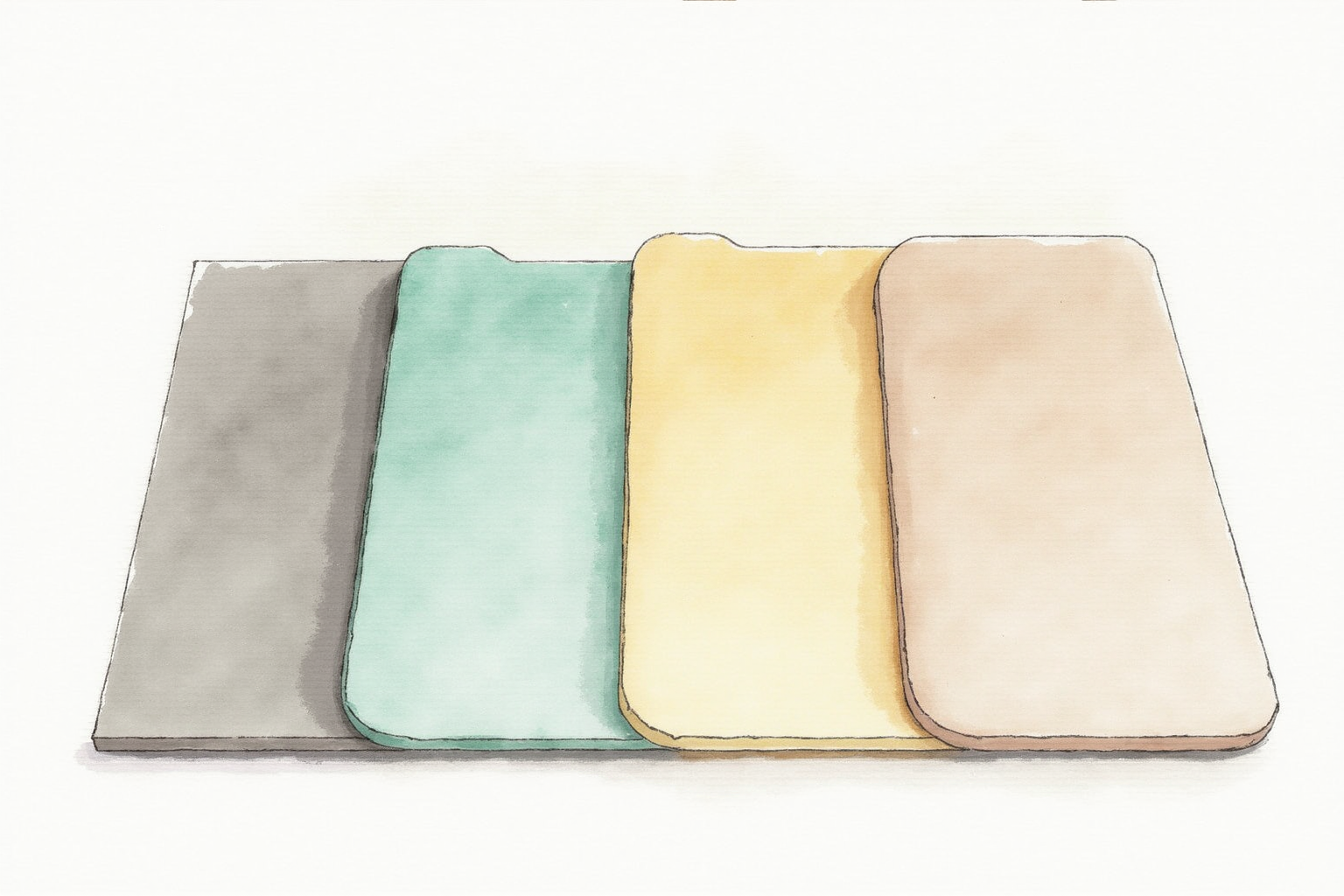
For gyms over 200 square feet, rubber rolls (4-foot wide rolls in 25-50 foot lengths) can be cheaper per square foot than stall mats once delivery is factored in. Rep Fitness and Rogue sell 1/4 to 3/8 inch rolls at $4-7/sqft delivered.
Trade-offs: Heavy rolls require 2+ people to install, seams need adhesive for permanence, less impact protection than thick stall mats. Best for: commercial-style home gyms, full garage conversions, gyms with primarily cardio + light strength training.
Rep Fitness 3/4-Inch Rubber Floor Tile
Price · $80-120 per 4-tile pack (16 sqft) ??premium home gym aesthetics
+ Pros
- · 24x24 inch interlocking tiles, easy install
- · 3/4 inch thickness for stall-mat impact protection
- · Black or speckled color options
− Cons
- · 2-3x cost vs horse stall mats
- · Free shipping only over $200
- · Smaller individual tile sections
Price, availability, and ratings can change; verify details on the retailer page before buying.
DIY Lifting Platform Build
For dedicated Olympic lifters, a DIY platform combines best of all worlds. Build: 4x8 sheet of plywood (3/4 inch) bordered by 2 horse stall mats laid horizontally to make 8x8 zone. Plywood center for barbell, rubber sides for plate landing. Total cost: ~$200 for 64 sqft of professional-grade lifting platform.
For deadlift-focused setups, double-thick stall mats (1.5” total) under bar landing zone protect both concrete and plates. Drop 405 lbs from above-knee on this surface — minimal noise, no concrete damage.
Sound Dampening: Reality Check
Rubber flooring reduces impact noise by roughly 50-70% but does not soundproof completely. Downstairs neighbors will still hear dropped weights through ceiling structure. For apartment lifters, even 1-inch rubber may not be enough — consider isolation pads under bench/rack feet, or stick to controlled (not dropped) movements.
For garage gyms, sound is rarely an issue. Basement gyms below living spaces benefit from thicker rubber + carpet tiles overlay for hybrid sound absorption.
Maintenance and Cleaning
Rubber flooring requires minimal maintenance. Sweep weekly to remove debris. Mop monthly with mild soap (avoid bleach, oil-based cleaners — both degrade rubber). Spot-clean blood, sweat, or chalk residue immediately. Replace tiles individually if damaged (vs replacing entire roll/mat).
Foam flooring: Wipe down after every use, replace divoted/damaged tiles immediately. Foam wears out 3-5 years under regular use vs 20+ years for rubber.
Total Cost Analysis (200 sqft Home Gym)
Horse stall mats (8 mats × $55): $440 total Rep Fitness 3/4-inch interlocking tiles (200 sqft): $700-900 Rubber rolls 3/8-inch (200 sqft delivered): $1000-1400 Foam interlocking tiles 1/2-inch (200 sqft): $300-500
For most home gym budgets, horse stall mats at $440 hit the right balance of cost, durability, and impact protection.
IncStores Foam Floor Tile (Yoga/Light Use)
Price · $30-60 per 12-tile pack (48 sqft) ??for yoga and bodyweight only
+ Pros
- · 1/2 inch EVA foam, soft on joints
- · 24x24 inch interlocking tiles
- · Multiple color options
− Cons
- · Inadequate for weights over 25 lbs
- · Permanent compression damage from dumbbells
- · 3-5 year lifespan vs 20+ for rubber
Price, availability, and ratings can change; verify details on the retailer page before buying.
Common Mistakes to Avoid
Mistake 1: Buying foam for a weight room. Foam compresses permanently under heavy loads — wasted money within 6 months.
Mistake 2: Skipping concrete sealer. Concrete dust ruins equipment and lungs over years.
Mistake 3: Cheaping out on Olympic platform. A proper plywood+stall mat platform costs $200 and lasts decades vs replacing chipped concrete repeatedly.
Mistake 4: Installing over carpet without removing first. Long-term compression damages carpet permanently and creates instability for heavy lifts.
Bottom Line — Pick Your Use Case
For most home gym budgets — horse stall mats from Tractor Supply at $50/mat are the dominant choice. Heavy-duty 3/4-inch rubber, perfect impact protection, 20+ year lifespan, $2/sqft cost is unbeatable.
For aesthetic priority (basement gyms, visible spaces) — Rep Fitness or Rogue interlocking tiles at $3-6/sqft offer color options and clean installation. Worth the 2-3x premium for visible-area gyms.
For Olympic lifting platforms — DIY plywood + horse stall mat combo at ~$200 for 64 sqft delivers commercial-grade lifting surface. Permanent solution for serious lifters.
For yoga + light weight hybrid — foam tiles in stretching zone, stall mats in weight zone. Layer materials based on use to optimize cost.
Avoid: pure foam flooring for weight training, exposed concrete for any home gym, carpet underlayment for heavy lifters. These shortcuts cost more in the long run than doing it right from day one.