Adjustable Weight Bench 2026 — Capacity, Stability, and Space Guide
Adjustable weight benches compared on weight capacity, incline positions, pad density, and storage. Flat vs adjustable, FID vs FI, and what features actually matter for home gyms.
This article is for general education only and is not medical advice. Stop exercise and seek qualified care for chest pain, fainting, severe shortness of breath, neurological symptoms, uncontrolled blood pressure, recent surgery concerns, pregnancy-related concerns, or symptoms that worsen instead of improving.
Evidence and boundary review
BodyWise Lab articles cite primary sources, show update dates, and separate practical routines from clinical decisions. Source-checking is an editorial process, not a personal medical endorsement.
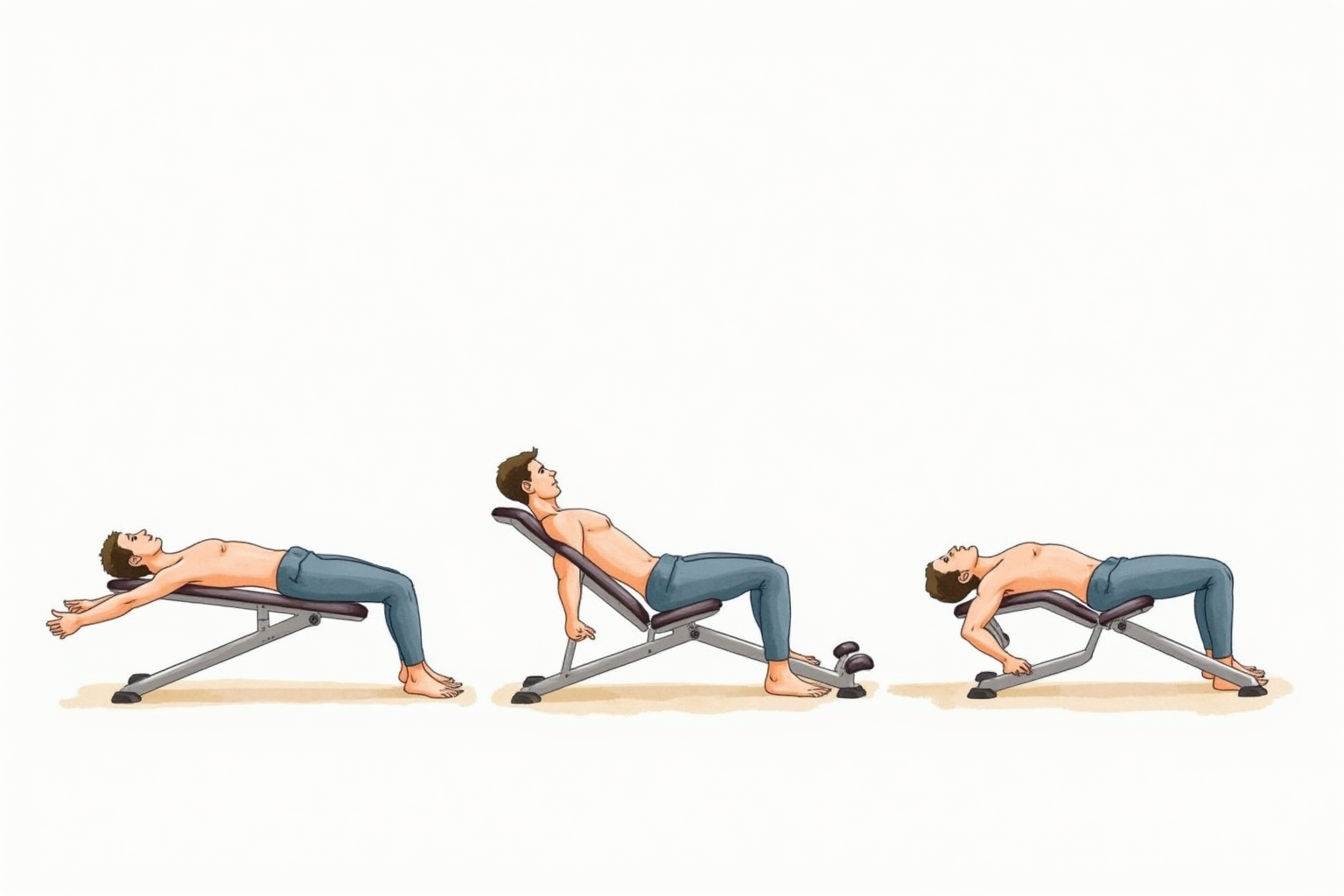
The adjustable weight bench is the most-versatile piece of home gym equipment, hands down. One purchase unlocks 25+ exercises: flat press, incline press, shoulder press, rows, dumbbell work, and more. This guide compares adjustable benches by published specifications, capacity logic, stability requirements, storage tradeoffs, and common home-gym use cases. It is meant to help you avoid unsafe underbuilt benches, not to make every reader buy the most expensive option.
Flat vs Adjustable Benches
The first decision: flat-only or adjustable? Flat benches ($50-100) are cheaper, sturdier per dollar, and lighter. Adjustable benches ($150-400) unlock incline/decline variations and far more exercises.
For 95% of home gym builders, adjustable is the correct choice. The $100-300 premium delivers:
- Flat bench press
- Incline bench press (3-5 angle variations)
- Shoulder press (vertical position)
- Decline press (FID models only)
- Incline rows, curls, lateral raises
- Single-arm dumbbell rows
- Bulgarian split squats (foot elevated on bench)
Flat-only benches make sense only for: dedicated powerlifters who use rack-mounted incline boards separately, ultra-budget builds under $200 total, or supplementary benches in commercial gyms.
FID vs FI Configurations
FID = Flat/Incline/Decline (3 modes). FI = Flat/Incline only (2 modes).
For most users, FI is sufficient. Decline bench press has limited training benefit vs the cost premium and complexity of decline mode. Most lifters who bought FID benches use the decline 5% of the time or never.
FI benches ($150-300): Lighter, simpler, sturdier per dollar. Easier to store, fewer mechanical failure points.
FID benches ($250-450): Add ~$50-150 to cost, include thigh roller for decline stability. Worth it only for serious bodybuilders working full pec development including lower-pec emphasis.
Rep Fitness AB-3000 FID Bench
Price · $300-400 ??industry-standard home gym workhorse
+ Pros
- · 1000 lb weight capacity, 11-gauge steel
- · 7 back positions (flat to 85째), FID modes
- · Folds for vertical storage
− Cons
- · Heavier than budget options (55 lbs)
- · Free shipping only over $200
- · Slight wobble at very heavy loads
Paid affiliate link. Price, availability, and ratings can change; verify details on the retailer page before buying.
Weight Capacity: How Much You Need
The math: your body weight + heaviest planned barbell weight + safety margin.
Beginner (max 200 lb bench): 180 lb user + 200 lb barbell + 30% = 494 lbs needed. Intermediate (max 300 lb bench): 180 lb user + 300 lb barbell + 30% = 624 lbs needed. Advanced (max 400 lb bench): 200 lb user + 400 lb barbell + 30% = 780 lbs needed.
Most quality benches rate 600-1000 lbs. Budget benches ($100-150) often rate only 400-500 lbs. For beginners, budget benches work short-term, but as you progress they limit your training.
Capacity strategy: estimate your body weight plus the heaviest planned load, then add a safety margin. A higher-capacity bench can be a good long-term choice, but only if it also fits your space, storage needs, and training style.
Pad Density and Construction
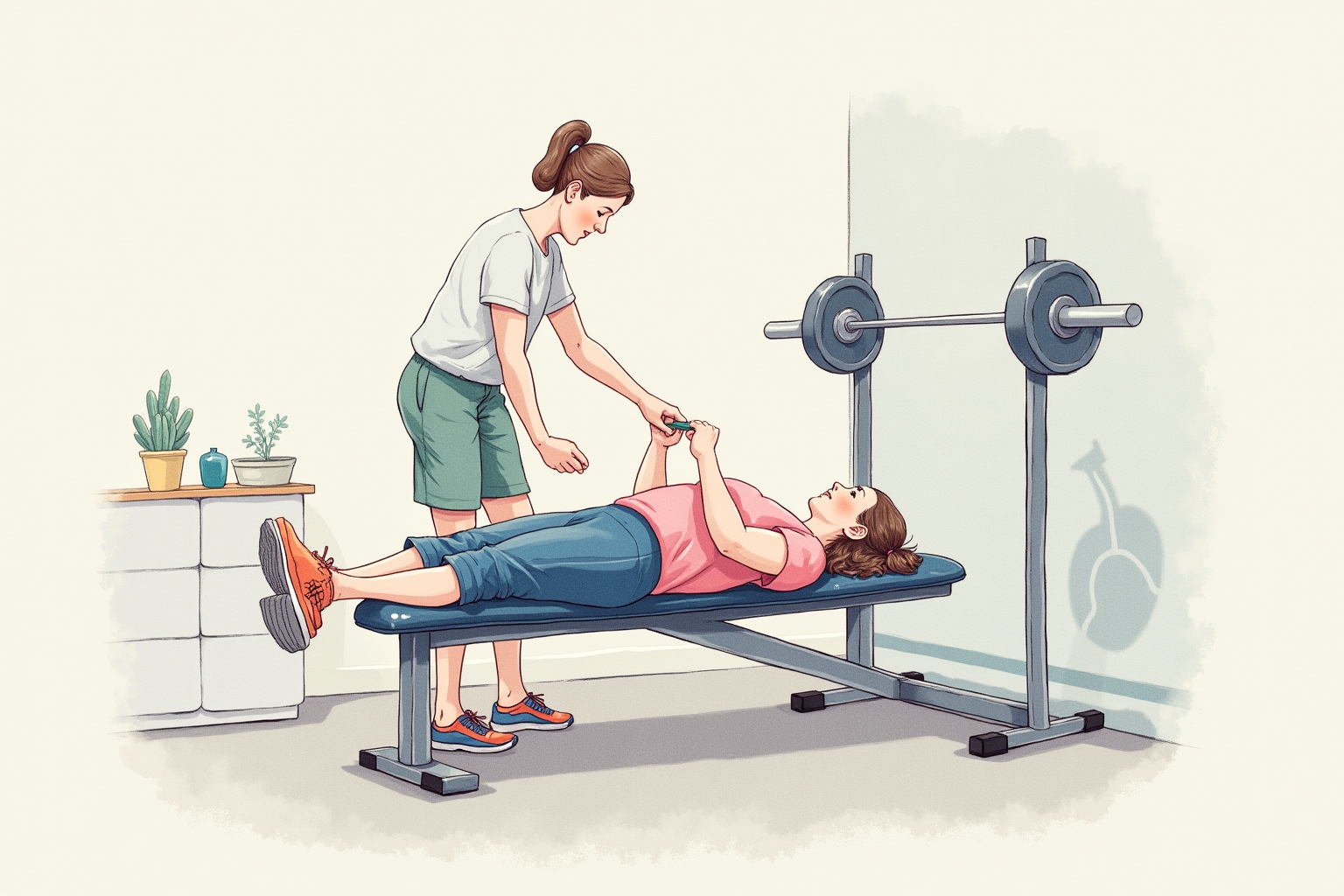
Bench pad quality dramatically affects training experience. Cheap benches use soft foam (1.5-2 inch thickness) that compresses too much, makes spinal positioning inconsistent. Premium benches use high-density foam (2.5-3 inch thickness) that maintains shape under load.
Pad width: 10-12 inches standard. Powerlifting-specific benches go wider (12-13 inches) for back stability. Bodybuilding benches stay narrower for shoulder retraction.
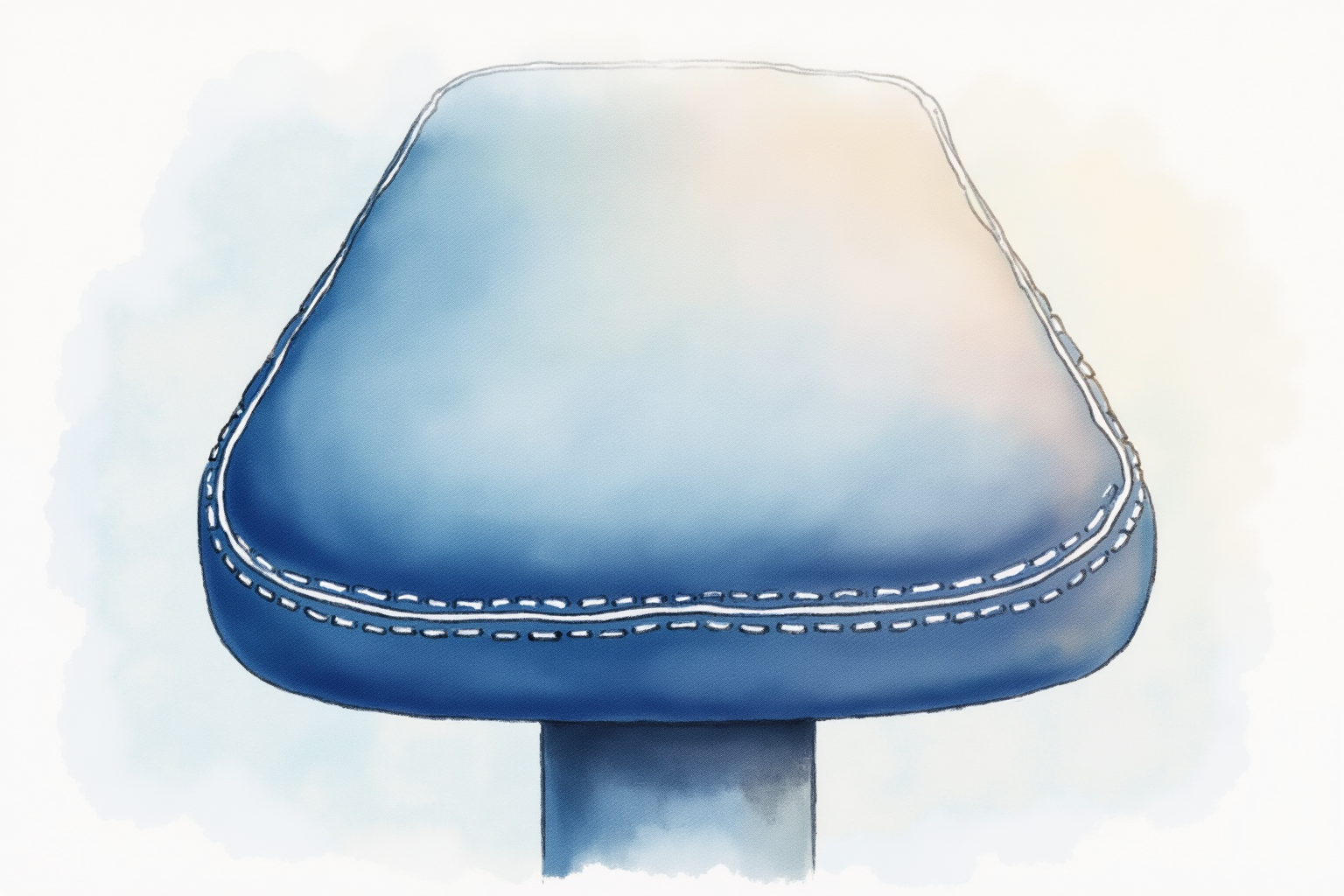
Pad covering: Vinyl is standard, durable, easy to clean. Leather options exist at $400+ but unnecessary for home use.
Critical detail: gap between back pad and seat pad when in incline mode. Cheap benches have 4-6 inch gaps that put lumbar spine unsupported. Quality benches close this gap to 0-2 inches across all positions.
Incline Pin System: The Key Quality Differentiator
The incline adjustment mechanism is where benches truly differ in quality:
Ladder-style pin (Rogue, Rep AB-3100): Spring-loaded pins drop into ladder positions. Easy to adjust mid-set. Pin-and-slot ladders allow 6-12 angle positions.
Hole-and-pin (most $200-300 benches): Steel pin slides into pre-drilled holes. Sturdy but slower to adjust. Standard 5-9 positions.
Ratchet/lever (Bowflex 5.1): Lever mechanism cycles through positions. Convenient but more mechanical failure points over years.
Infinitely adjustable (premium benches): Friction-locked mechanism allows any angle. Best functionality but expensive ($400+).
For most home users, hole-and-pin offers the best durability/cost balance. Avoid plastic pins (only steel pins should be used at this weight class).
Stability Under Heavy Load
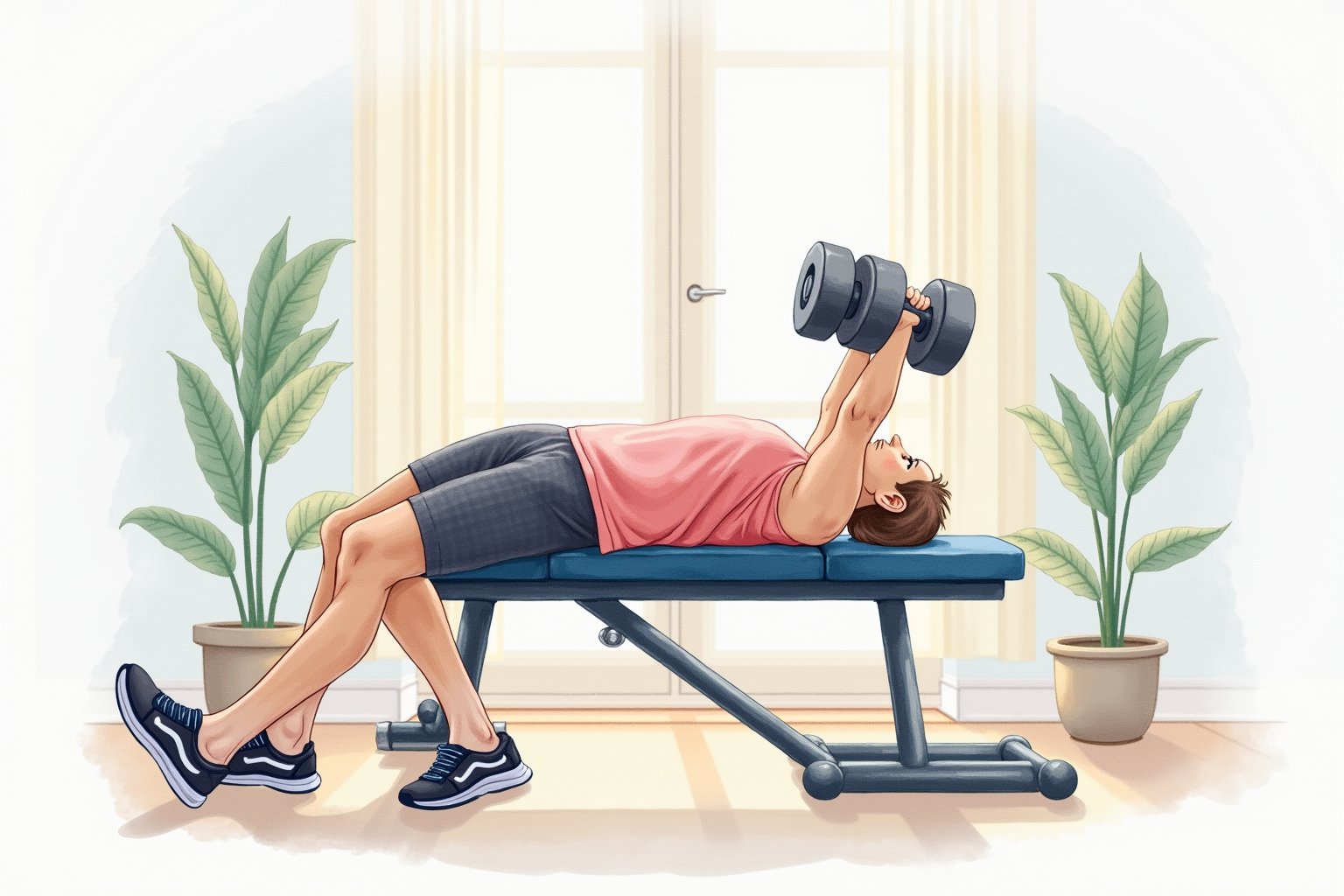
The most-overlooked factor: bench wobble under heavy weight. A bench rated 600 lbs may technically not collapse, but does it stay rock-steady during 300 lb bench press?
Quality benches use:
- Wide footprint (24+ inch base width prevents tipping)
- Tri-pod or 4-pod design (4 contact points = more stable than 3)
- Heavy gauge steel frame (11-gauge minimum, 8-gauge premium)
- Anti-tip foot pads (rubber to grip floor, no plastic)
If you can inspect a bench before buying, check wobble, pad grip, ladder or pin security, feet contact, and whether the bench moves when you set up. Do not test maximal lifts on an unfamiliar bench; use conservative loads and prioritize stability.
Storage and Footprint
Home gym space is precious. Bench footprint and storage options matter:
Foldable benches (Bowflex 5.1, Rep AB-3100): Fold to ~24 inches wide for vertical storage against wall. Save significant floor space when not in use. Slightly less stable than fixed benches due to folding mechanism.
Fixed benches (Rogue 2.0, AB-3000): More rigid, heavier (35-55 lbs), takes full footprint always. Worth it if storage isn’t critical.
Compact benches (Bowflex Adjustable): Smaller footprint by design (~40 inches long vs standard 50). Adequate for shorter users but tall users find them uncomfortable.
For most home gym builds, choose a foldable that stores against wall when not in use. Save the 6+ square feet of floor space for other equipment.
Bowflex 5.1S Adjustable Weight Bench
Price · $200-280 ??compact adjustable with decline
+ Pros
- · 600 lb weight capacity, 4 incline positions
- · Decline thigh roller included
- · Compact 38-inch length, foldable
− Cons
- · 600 lb capacity limits long-term progression
- · Smaller footprint less stable than full bench
- · 4 positions vs 7-9 on premium benches
Paid affiliate link. Price, availability, and ratings can change; verify details on the retailer page before buying.
Specialty Bench Features
Some benches add features that genuinely help training:
Leg attachment for leg curls/extensions ($30-80 add-on): Limited utility, plates needed separately. Most home users skip this.
Preacher curl attachment: Useful for isolated bicep work. Adds $30-100. Worth it for serious bodybuilders.
Built-in dumbbell rack: Stores 2-4 pairs of dumbbells beside bench. Adds $50-150. Convenient but rarely necessary.
Spotter arms (typically rack-attached, not bench): Critical for solo benching above 200 lbs. Pair bench with rack that has spotter arms.
For most users, a basic FI or FID bench without attachments delivers 90% of training value at much lower cost.
Premium Tier: Rogue Adjustable Bench 2.0
For users wanting commercial-grade quality, the Rogue Adjustable Bench 2.0 ($395-575) is the standard. 1000 lb capacity, 7 back positions, made in USA from heavy 11-gauge steel, lifetime warranty on frame.
Trade-offs: Higher cost ($395 starting), not foldable (always takes full 53x12 inch footprint), heavier (~70 lbs). For lifters who plan to use the bench for 10+ years, the cost-per-year math beats budget alternatives.
The Rogue 2.0 is a high-capacity option for dedicated home gym builders who have the space and budget, but it is not necessary for every reader. A lower-cost stable bench can be the better choice when loads, room size, and training goals are modest.
Budget Tier: Marcy MD-879
For budget builders, the Marcy MD-879 ($130-180) is a defensible entry point. 600 lb capacity, 8 incline positions, foldable, decline thigh rollers included. Has rated 4.5+ stars across thousands of reviews for budget users.
Limitations: Pad foam softer than premium options (more compression under heavy loads), 600 lb capacity limits long-term progression, less stable footprint than premium picks.
Best for: Beginners with strict budgets, secondary benches in commercial setups, college students/renters with frequent moves. As primary home gym bench past 1-2 years, most users upgrade to AB-3000 tier.
Marcy MD-879 Adjustable Bench
Price · $130-180 ??budget value pick for FID adjustability
+ Pros
- · 600 lb weight capacity, 8 back positions
- · FID: flat, incline, decline modes
- · Foldable for storage, decline thigh roller
− Cons
- · Pad foam softer than premium options
- · Less stable footprint than AB-3000
- · Limits progression past 600 lbs total load
Paid affiliate link. Price, availability, and ratings can change; verify details on the retailer page before buying.
Setup and Maintenance
Setup tips: Always level the bench on stable flooring (see our flooring guide). Tighten all bolts before first use. Re-tighten after first month of use (settle-in period). Lubricate pin mechanisms quarterly with light machine oil.
Maintenance: Wipe vinyl pads with damp cloth weekly. Inspect pin mechanisms monthly for wear. Replace pad covers when cracked or torn (most quality benches sell replacement parts). Pads typically last 5-10 years under regular use.
Common failures: Pin bending under repeated heavy loads (replace with stronger aftermarket pin), pad covers tearing at seams (sew or replace), wheels seizing on transport benches (replace caster set).
When a bench is not the next purchase
Skip or delay a bench if you do not yet have a safe training space, stable flooring, a rack or safety plan for barbell work, or a program that actually uses incline positions. Floor presses, push-ups, split squats, rows, bands, and gym day passes can cover many needs while you learn what your home setup lacks.
Safety-first bench checklist
- Confirm the published capacity includes user plus load, not just marketing language.
- Check pad width, bench height, and foot stability for your body size.
- Avoid wobble, soft bolts, damaged pads, or plastic adjustment parts in high-load positions.
- Use spotter arms, a rack, or dumbbell choices that match your setup.
- Do not let a premium recommendation override a small room or poor floor surface.
Bottom Line — Pick Your Use Case
For premium long-term home gyms — Rogue Adjustable Bench 2.0 at $395-575 is a high-capacity option with strong frame specifications and warranty support, but only makes sense when the room, floor, and program justify it.
For sweet-spot value — Rep Fitness AB-3000 FID at $300-400 delivers near-Rogue quality at 30% less cost. Industry favorite for home gyms with 1000 lb capacity, foldable design, full FID modes. Best balance of features/cost/durability.
For compact space and good quality — Bowflex 5.1S at $200-280 offers 4 positions, decline included, foldable, 600 lb capacity. Excellent for smaller home gyms or beginners not exceeding 300 lb bench press.
For tight budget — Marcy MD-879 at $130-180 gets you started with FID adjustability. Plan to upgrade within 2 years as strength progresses, but proves the home gym concept first.
Avoid: benches under $100 (capacity unreliable, durability poor), fixed flat-only benches as primary bench (missing too many exercises), bench-plus-attachment combo benches over $250 (better to buy separate components).