Sleep Tracker Data Compared — 2026 Wearable Sleep Research
Oura, Whoop, and smart watches compared on sleep stage accuracy. Polysomnography validation, what tracker data actually means for your health.
This article is for general education only and is not medical advice. Stop exercise and seek qualified care for chest pain, fainting, severe shortness of breath, neurological symptoms, uncontrolled blood pressure, recent surgery concerns, pregnancy-related concerns, or symptoms that worsen instead of improving.
Evidence and boundary review
BodyWise Lab articles cite primary sources, show update dates, and separate practical routines from clinical decisions. Source-checking is an editorial process, not a personal medical endorsement.
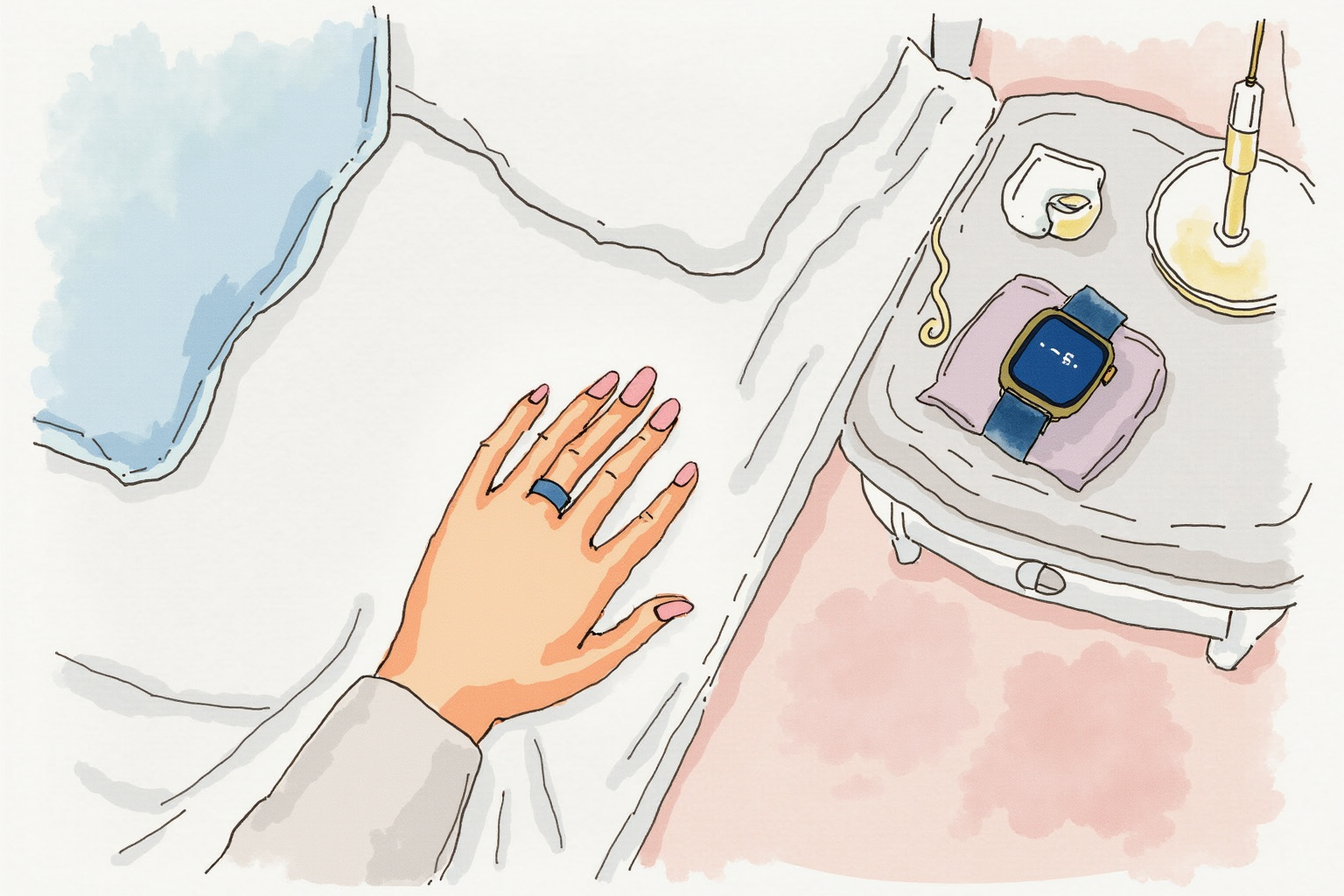
Sleep trackers have moved from novelty to mainstream wellness tool. The Oura Ring sells over a million units annually; Whoop subscriptions cross 200K; Apple Watch sleep tracking reaches tens of millions of users. The data these devices produce is reasonably accurate for total sleep duration but less reliable for sleep stages — a nuance most users don’t realize. Understanding what tracker data actually measures (and what it can’t) helps separate useful health insights from precision overconfidence.
This article compares the leading sleep trackers on validated accuracy, highlights the metrics that matter most, and identifies sleep hygiene habits that improve tracker scores. The conclusion is that wearable sleep tracking is genuinely useful for trend analysis and habit improvement, but the absolute numbers should be treated as approximations rather than precise measurements.
- How accurate sleep trackers are vs polysomnography
- Comparison of Oura, Whoop, Apple Watch, Fitbit
- Heart rate variability (HRV) and why it matters
- Sleep stages — and the accuracy gap
- Top picks across $300-700 budget range
Tracker accuracy — the calibration check
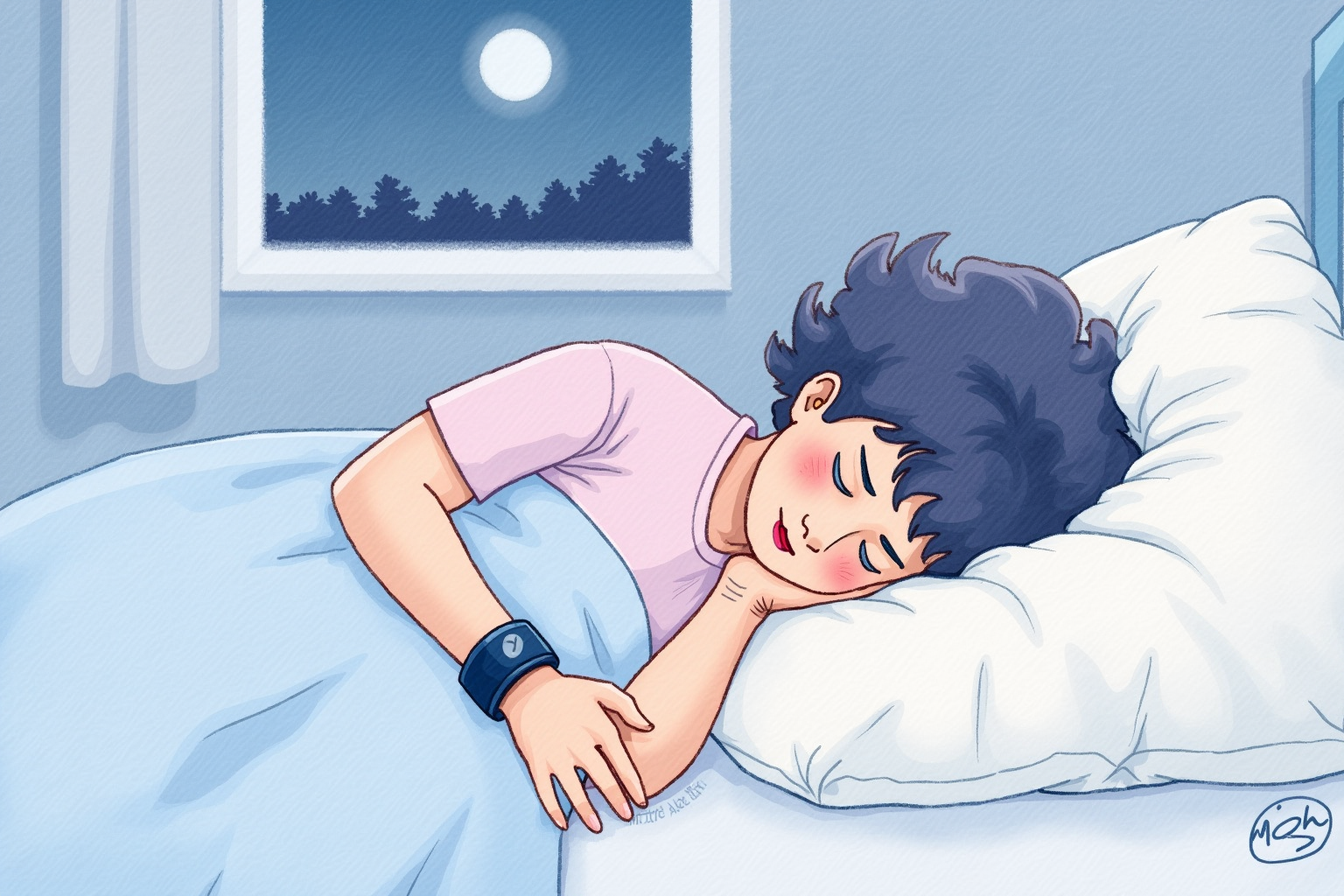
Polysomnography (PSG) is the lab gold standard for sleep measurement. Multiple electrodes measure brain waves, eye movement, muscle activity, and breathing simultaneously. Wearable devices estimate the same metrics from limited inputs (typically wrist or finger movement, heart rate, and skin temperature).
Stanford and academic medical center validation studies show:
Total sleep time: 85-95% agreement with PSG
- Apple Watch Series 8+: ~94%
- Oura Ring Gen 3: ~92%
- Whoop 4.0: ~90%
- Fitbit Charge 5: ~88%
Sleep onset detection: 70-85% agreement
- Wearables sometimes count “lying in bed” as sleep
- Premium devices distinguish better between rest and actual sleep
Sleep stages (light/deep/REM): 50-70% agreement
- This is the biggest accuracy gap
- Apple Watch and Whoop perform better than older trackers
- Even premium trackers are below 75% accurate for stage transitions
Wake-after-sleep-onset (WASO): 60-80% accuracy
- Counts brief awakenings throughout the night
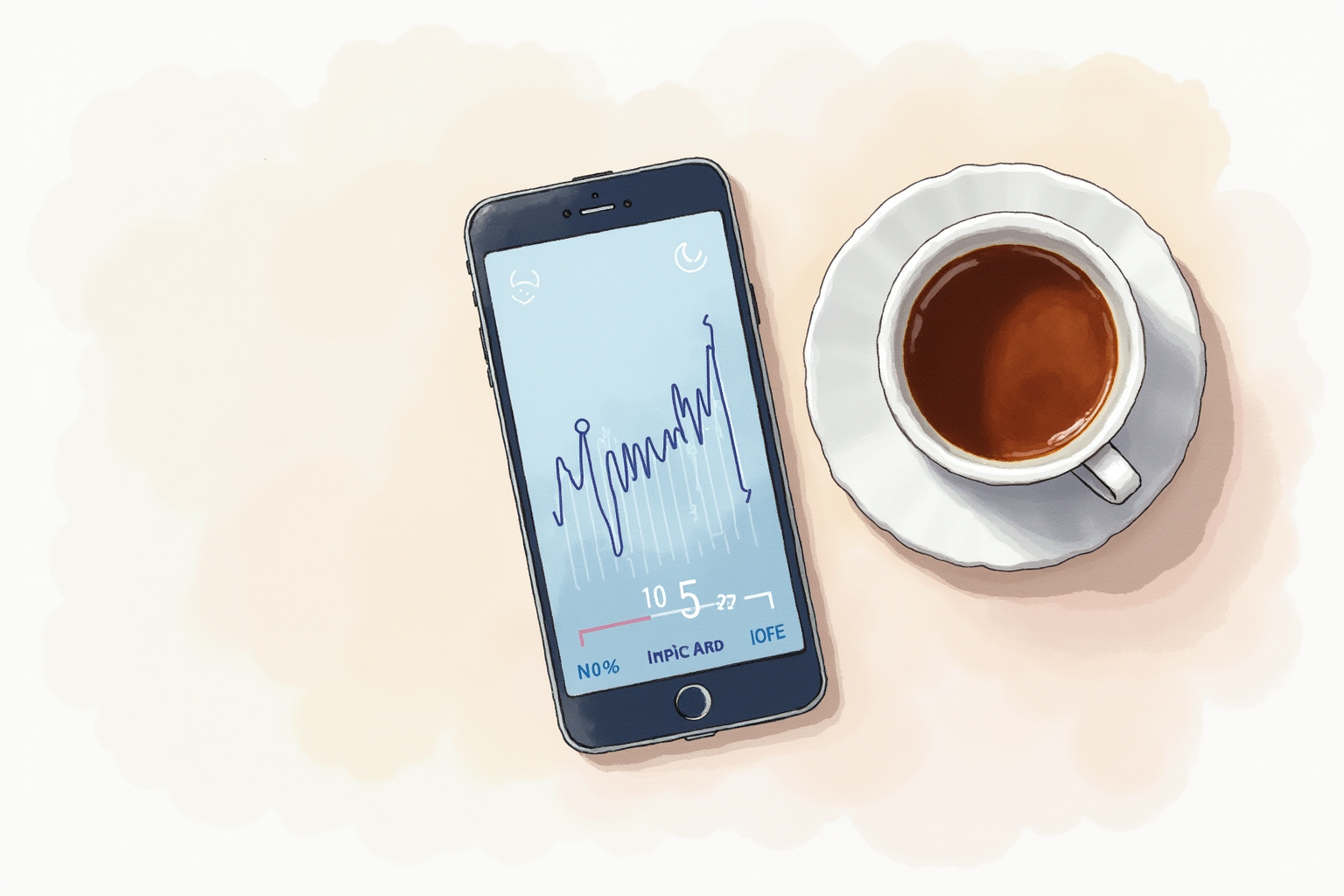
For trend tracking (your own sleep getting better or worse over weeks), wearables are reliable. For precise stage analysis (“I had exactly 1h 45m of REM”), the data is approximate.
The major trackers compared
Oura Ring (Generation 3 / Horizon):
- Form factor: ring on finger
- Battery: 7 days
- Subscription: $6/month
- Best for: sleep-focused users, who don’t want a watch
- One-time cost: $300-400 for the ring
Whoop 4.0:
- Form factor: wrist strap
- Battery: 4-5 days
- Subscription: $30/month (no upfront device cost)
- Best for: athletes correlating training and recovery
- 2-year total: $720
Apple Watch Series 9 / Ultra:
- Form factor: standard smart watch
- Battery: 18-72 hours
- Subscription: None for basic sleep features
- Best for: iPhone users wanting general smart watch plus sleep
- One-time cost: $400-800
Fitbit Sense 2:
- Form factor: smart watch
- Battery: 6 days
- Subscription: $10/month for Premium features
- Best for: Android users or budget-conscious sleep tracking
- One-time cost: $200-300
For pure sleep optimization, Oura’s ring form factor and detailed sleep analysis make it the leader. For athletes optimizing training and recovery, Whoop’s strain/recovery metrics are unmatched. For general smart watch use that includes sleep, Apple Watch is the convenient choice.
Heart rate variability — the key metric

HRV measures the variation between heartbeats. A perfectly steady heart rhythm (no variation) actually indicates stress; healthy hearts show natural beat-to-beat variability.
Why HRV matters:
- High HRV = parasympathetic dominance, well-rested, stress-resilient
- Low HRV = sympathetic dominance, fatigue, stress, illness
- Daily HRV trend reflects recovery state
Practical use:
- Track your HRV nightly (wearables measure during sleep)
- Establish baseline over 30 days
- Compare daily HRV to baseline:
- Within 10% of baseline: normal recovery
- 10-20% below baseline: moderate fatigue, reduce training
- More than 20% below: significant fatigue, rest day appropriate
HRV is more actionable than absolute sleep duration. Two people getting “7 hours of sleep” can have dramatically different recovery if their HRV differs.
Most premium trackers (Whoop, Oura, Garmin) include HRV-based recovery scores. These translate the raw HRV data into actionable daily guidance.
Sleep hygiene that actually works

The CDC and AASM agree on six evidence-based sleep hygiene practices:
1. Consistent schedule Same bedtime and wake time (within 30 minutes) on weekdays and weekends. Your circadian rhythm adapts to the consistency. Variable sleep schedules disrupt sleep architecture.
2. Cool bedroom (65-68°F / 18-20°C) Body temperature drops naturally for sleep. Warm rooms interfere with this. Air conditioning, ceiling fans, and cooling mattress pads all help.
3. Dark environment Even small amounts of light suppress melatonin. Blackout curtains, sleep masks, and electronics in another room are the standard recommendations.
4. No screens 60 minutes before bed Blue light from screens suppresses melatonin production. The 60-minute buffer allows melatonin to rise normally. Night mode on devices helps but doesn’t eliminate the effect.
5. No caffeine after 2 PM Caffeine’s half-life is 5-7 hours. Afternoon coffee can still be affecting your system at bedtime. Sensitive individuals should cut off even earlier (noon).
6. Moderate daytime exercise Exercise improves sleep quality, but not within 3 hours of bedtime (raises core body temperature). Morning or early afternoon exercise is optimal for sleep.
Implementing these six practices consistently produces noticeable improvement in tracker scores within 2-3 weeks for most users.
Top picks across budgets
Oura Ring Generation 3 (Horizon)
Price · $300-400 + $6/month subscription
+ Pros
- · Best sleep tracking accuracy in non-PSG devices
- · Ring form factor stays on at night comfortably
- · 7-day battery — charges in 80 minutes
− Cons
- · Subscription required for full features
- · Single-use focus (no smart watch features)
Price, availability, and ratings can change; verify details on the retailer page before buying.
Whoop 4.0 with 12-Month Subscription
Price · $30/month subscription includes device
+ Pros
- · No upfront device cost, just subscription
- · Excellent recovery and strain coaching
- · Best HRV-based recovery scoring
− Cons
- · Subscription model — total 2-year cost ~$720
- · Less useful for non-athletic users
Price, availability, and ratings can change; verify details on the retailer page before buying.
Apple Watch Series 9 (GPS, 41mm)
Price · $400-450 — best Apple Watch sleep pick
+ Pros
- · Comprehensive sleep tracking integrated with iOS Health
- · Smart watch features in addition to sleep
- · No subscription required for basic sleep
− Cons
- · Daily charging is necessary (less ideal for overnight wear)
- · iOS only — Android users can't use it
Price, availability, and ratings can change; verify details on the retailer page before buying.
The buying decision
For sleep optimization as the primary use case, the Oura Ring Gen 3 at $300-400 + $6/month is the right premium pick. The ring form factor, accurate sleep tracking, and 7-day battery make it the dedicated sleep tracker leader.
For athletes wanting deep training and recovery integration, Whoop 4.0 at $30/month subscription is the right choice. The strain/recovery model integrates sleep with training in a way no other device matches.
For iPhone users wanting general smart watch features that include sleep, the Apple Watch Series 9 at $400-450 is the practical pick. The Apple Health integration and broad feature set justify the daily charging trade-off.
Avoid relying on free smart phone-only sleep tracking apps. These use accelerometer-only data and produce significantly less accurate results than wearable devices. The $200+ wearable provides 5x better data than the free phone-based alternative.
Sleep tracking is most useful when paired with sleep hygiene improvements. The tracker reveals patterns; the hygiene changes produce real improvement. Together, they form an evidence-based path to better sleep — and the cascade of health benefits that flow from it.