Strength Training With High Blood Pressure: A Safe Home Progression
AHA, ACSM, CDC, and clinical guidance translated into a practical resistance-training plan for adults tracking blood pressure.

This article is for general education only and is not medical advice. Stop exercise and seek qualified care for chest pain, fainting, severe shortness of breath, neurological symptoms, uncontrolled blood pressure, recent surgery concerns, pregnancy-related concerns, or symptoms that worsen instead of improving.
Evidence and boundary review
BodyWise Lab articles cite primary sources, show update dates, and separate practical routines from clinical decisions. Source-checking is an editorial process, not a personal medical endorsement.
This guide is for readers who already understand that movement helps blood pressure but want a safer resistance-training workflow than “just lift.” It is not a medical diagnosis or a replacement for a clinician’s plan. It is a way to translate major public-health and sports-medicine guidance into decisions you can repeat at home: when to check pressure, how hard to train, how to breathe, when to progress, and when to pause.
Quick decision rule: make the first month boring. Choose loads you can move while breathing normally, stop several reps before failure, and judge success by consistency and stable readings rather than by personal records.
Start with the blood pressure context, not the dumbbells
A single high reading after caffeine, poor sleep, or a stressful meeting is not the same as a diagnosed pattern, but it is still useful information. Before changing training, collect a baseline that resembles your real life. Use a validated upper-arm cuff if possible, sit quietly, support the arm at heart level, and write down the time, recent exercise, caffeine, medication timing, and symptoms. If your clinician has given you specific thresholds, those rules override any generic workout article.
The reason to start here is practical. Strength training can be excellent for long-term health, but a heavy set, breath holding, and anxiety can create short-term pressure spikes. Most recreational lifters do not need to eliminate resistance work; they need to remove the avoidable spikes. That means using a warm-up, controlled breathing, moderate effort, and a progression that does not turn every session into a test.
Build the first four weeks around technique and breathing
For the first block, use two or three nonconsecutive days per week. Pick six movements: a squat or sit-to-stand pattern, a hip hinge, a row, a press, a carry or core brace, and a calf or balance accessory if useful. Use body weight, bands, machines, or dumbbells that let you finish each set with two to four good repetitions still in reserve. The goal is not easy training forever; it is earning the right to progress without turning effort into strain.
Breathing is the most important skill. Inhale before the easier phase, exhale through the hard phase, and avoid bearing down as if lifting a maximal barbell. If you catch yourself holding your breath, lower the load immediately. Slower tempo also helps because it discourages jerking and gives you time to notice dizziness, headache, chest discomfort, unusual shortness of breath, or visual changes. Those symptoms are not “mental toughness” moments; they are stop-and-assess moments.
Choose exercises that reduce strain before adding intensity
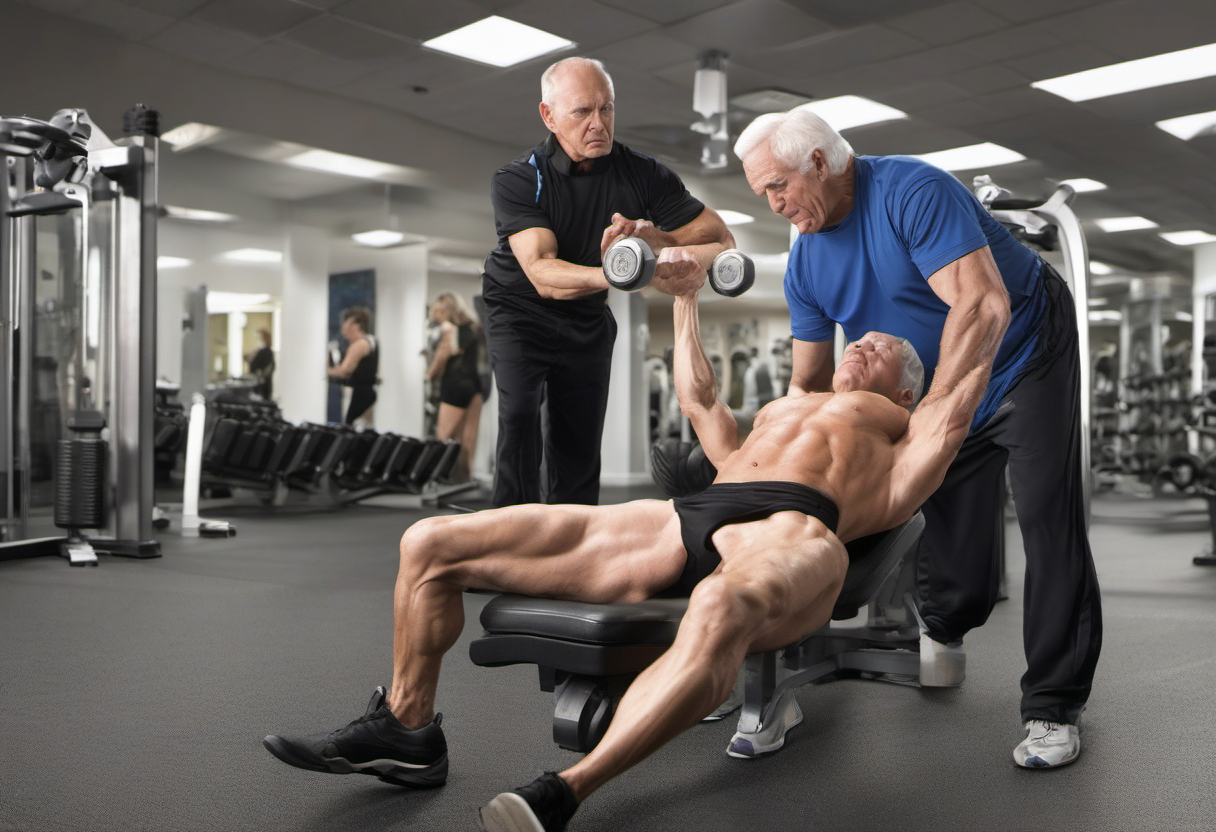
A home plan should favor stable positions at first. Seated rows, incline push-ups, goblet box squats, dumbbell Romanian deadlifts, step-ups, and band pull-aparts are easier to control than maximal deadlifts or breathless circuits. Machines at a gym can also be useful because they reduce balance demands. Avoid long isometric holds at high effort during the first phase because sustained maximal tension can drive pressure up quickly.
Circuit training needs special caution. Moving rapidly from one exercise to the next can turn a strength session into a high-heart-rate conditioning test. That may be appropriate later, but it is not the best starting point for someone trying to understand blood pressure response. Rest long enough that breathing returns toward normal. If the session feels like a race, it is probably not the right session yet.
Progress with one variable at a time
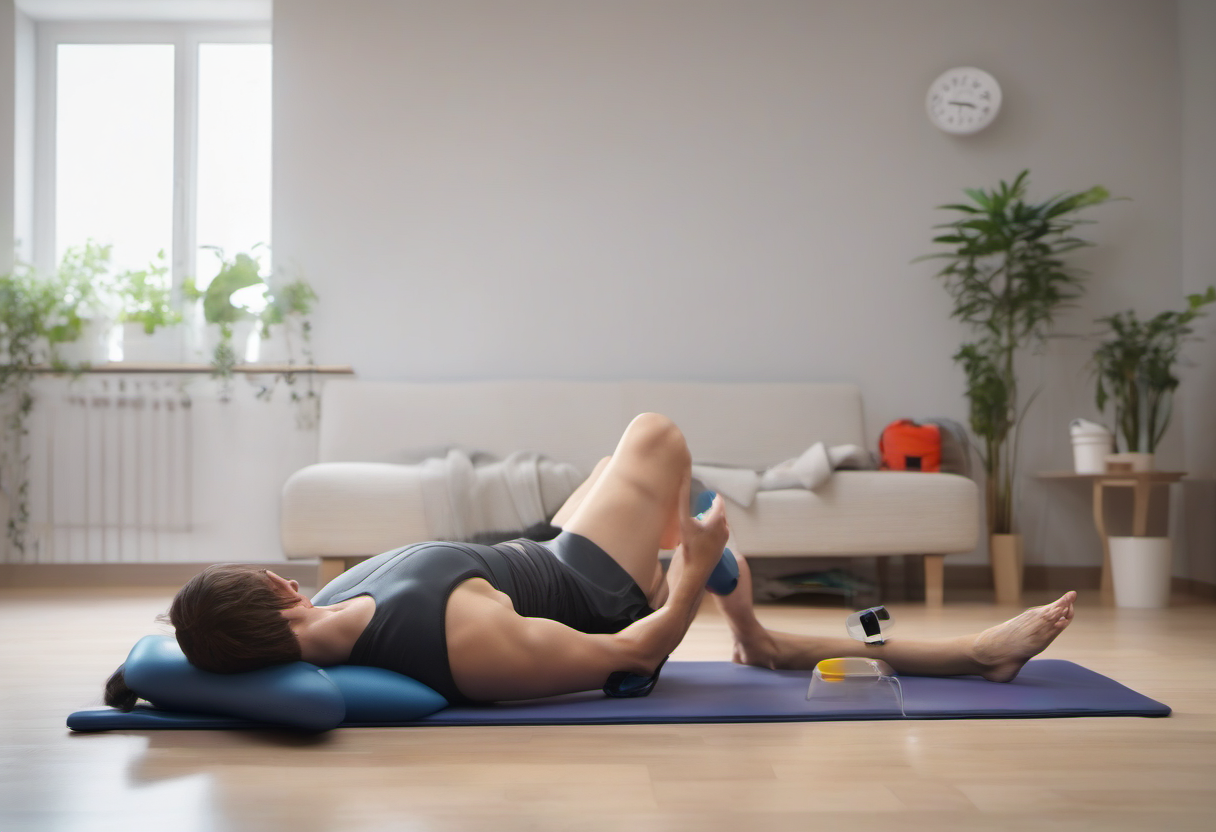
After three to four weeks of consistent sessions, progress only one variable: add a set, add a small amount of load, add a few repetitions, or make the movement slightly harder. Do not add all of them in the same week. A safe progression might move from two sets of ten to three sets of ten, then from ten-pound dumbbells to twelve-pound dumbbells, while keeping the same breathing and rest rules. If readings are trending up, sleep is poor, or medication was recently changed, hold the level steady and collect more data.
The best home metric is not the heaviest weight lifted. It is whether you can complete the plan, recover normally, and keep daily activity consistent. Strength training that leaves you too sore to walk, cook, sleep, or do cardio is a poor blood-pressure intervention even if it looks impressive in a workout app.
Pair lifting with aerobic work and recovery
Resistance exercise is one pillar, not the whole building. Most adult guidance still emphasizes regular aerobic activity, reduced sedentary time, sleep, nutrition, alcohol moderation, and medication adherence when prescribed. A realistic week might include two full-body strength sessions, three brisk walks or cycling sessions, and short mobility work on recovery days. If you already train hard, the missing piece may be easier aerobic volume rather than another intense lift.
Recovery matters because blood pressure is sensitive to stress load. Poor sleep, dehydration, illness, pain, and stimulant-heavy pre-workouts can all change a reading. If your log shows higher morning pressure after late workouts, heavy meals, or alcohol, the answer may be timing and recovery rather than abandoning strength work.
The stop rules
Stop the workout and seek appropriate medical care for chest pain, fainting, severe shortness of breath, neurological symptoms, or a severe headache that feels unusual. Pause and reassess for repeated dizziness, pressure readings outside your clinician’s target range, new palpitations, or swelling after medication changes. Do not use exercise to “test” whether symptoms are serious. The gym is not the place to diagnose cardiovascular risk.
For routine uncertainty, use a conservative rule: if you would be uncomfortable explaining the plan to your primary-care clinician, simplify it. Replace heavy sets with lighter technique work, add walking, and book the conversation. Good training should make health care easier to coordinate, not harder.
A one-page checklist
| Step | What to do | Decision trigger |
|---|---|---|
| Baseline | Log seated blood pressure and context | If readings are unexplained or very high, ask a clinician before progressing |
| Session design | Two to three full-body days, moderate loads, steady breathing | If breath holding appears, reduce load or tempo |
| Progression | Change one variable per week at most | If readings or symptoms worsen, hold or step back |
| Integration | Pair lifting with aerobic work and recovery | If strength work crowds out walking and sleep, rebalance |
Buying guidance without affiliate pressure
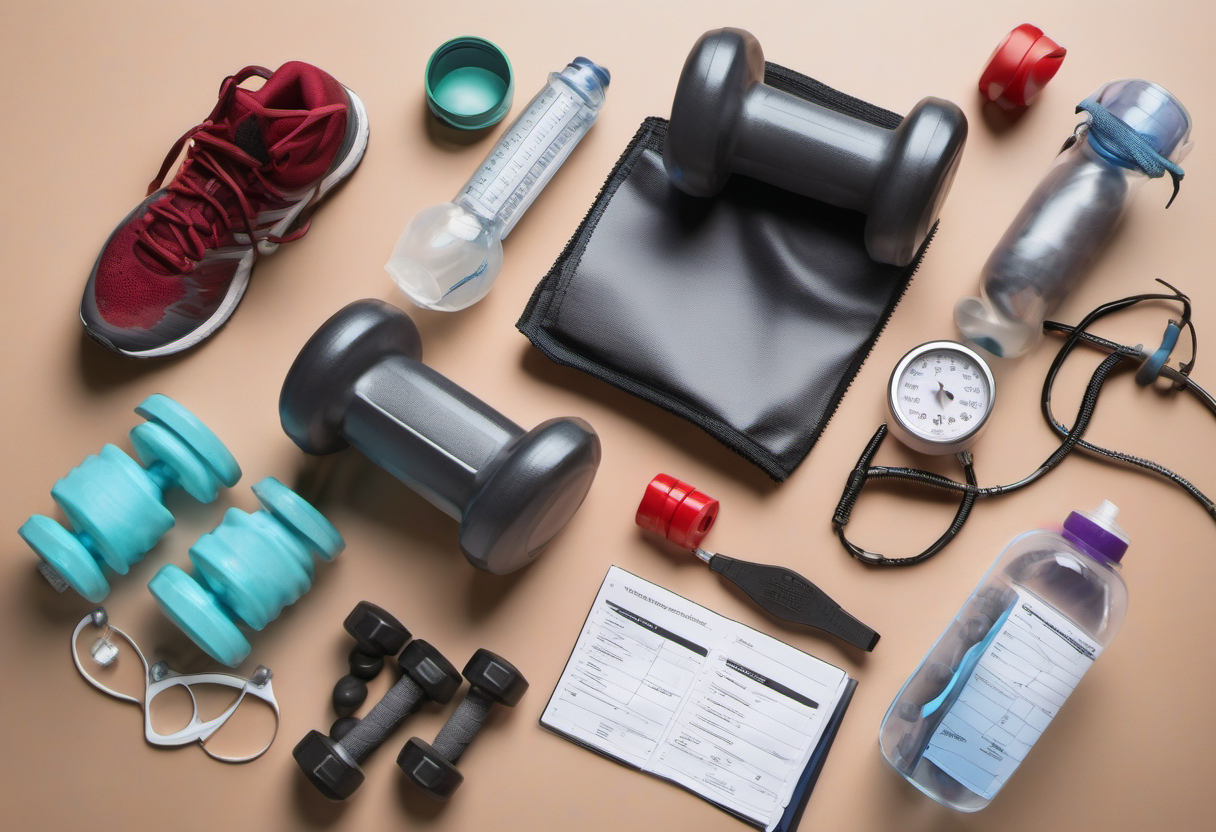
You do not need a garage gym. A validated blood-pressure cuff, comfortable walking shoes, and one or two adjustable resistance options are enough for many beginners. If you buy equipment, choose items that make the plan safer and more repeatable: stable benches, bands with clear resistance ratings, dumbbells that change in small increments, and a notebook or app for logging. Avoid stimulant pre-workouts, maximal-lift programs, or “hypertension fix” gadgets that promise more than they can prove.
Review cadence
Review after two weeks, again after four weeks, and then monthly. Look for patterns rather than single readings: Are sessions consistent? Are you breathing normally? Are walks still happening? Are morning readings stable or improving? Has your clinician changed medication or targets? The plan should mature as your data improves. Expert training is not reckless intensity; it is a repeatable system that respects both adaptation and risk.
How to coordinate the plan with medication and appointments
Medication timing can change how a session feels. Some people notice more lightheadedness when training soon after a dose, while others feel fine but see different readings later in the day. The useful move is not to experiment wildly; it is to record enough context that a clinician can interpret the pattern. Bring a short log with session times, perceived effort, symptoms, home readings, and medication schedule. That turns a vague complaint into a practical discussion about timing, hydration, dosage questions, and whether any additional evaluation is needed.
Do not stop prescribed medication because workouts are improving. Lifestyle changes and medication often work together, and the decision to adjust treatment belongs in a clinical conversation. Training success should make that conversation more data-rich, not more impulsive. If a new prescription changes exercise tolerance, reduce intensity temporarily and ask for guidance rather than pushing through a confusing response.
Sample beginner session
Start with five to ten minutes of easy walking or cycling. Then complete two rounds of sit-to-stand or goblet box squat, band row, incline push-up, hip hinge with light dumbbells, farmer carry with relaxed breathing, and gentle calf raises. Keep each set at a conversational effort, rest one to two minutes, and finish with an easy walk. The session should leave you feeling trained, not depleted.
After the session, wait quietly before measuring blood pressure if you are tracking response. A reading taken while still breathing hard tells you more about acute effort than recovery. The more useful comparison is whether your usual seated readings over days and weeks remain stable, improve, or become erratic as training changes.