Kettlebell Weight Selection — 2026 Guide for Beginners
Most beginners buy too-light kettlebells. Here is the right starting weight by gender and goal, plus what comes after the first kettlebell.
This article is for general education only and is not medical advice. Stop exercise and seek qualified care for chest pain, fainting, severe shortness of breath, neurological symptoms, uncontrolled blood pressure, recent surgery concerns, pregnancy-related concerns, or symptoms that worsen instead of improving.
Evidence and boundary review
BodyWise Lab articles cite primary sources, show update dates, and separate practical routines from clinical decisions. Source-checking is an editorial process, not a personal medical endorsement.
Kettlebells are one of the most efficient single pieces of fitness equipment. One 16-32kg kettlebell plus knowledge of 4-5 core exercises provides comprehensive strength, conditioning, and mobility training. The Russian kettlebell tradition (revived in the West by Pavel Tsatsouline since 2001) has produced decades of research and refinement around training methodology.
This article addresses the most common beginner mistake (buying too light), explains weight selection by gender and goal, and identifies which kettlebells suit which user. The conclusion is that proper weight selection upfront prevents the most expensive kettlebell mistake — buying too light and outgrowing it within months.
- Why most beginners buy too-light kettlebells
- Pavel’s weight recommendations by gender and goal
- Competition vs traditional kettlebell selection
- How many kettlebells you actually need
- Top picks across $40-200 budget range
The “too light” mistake
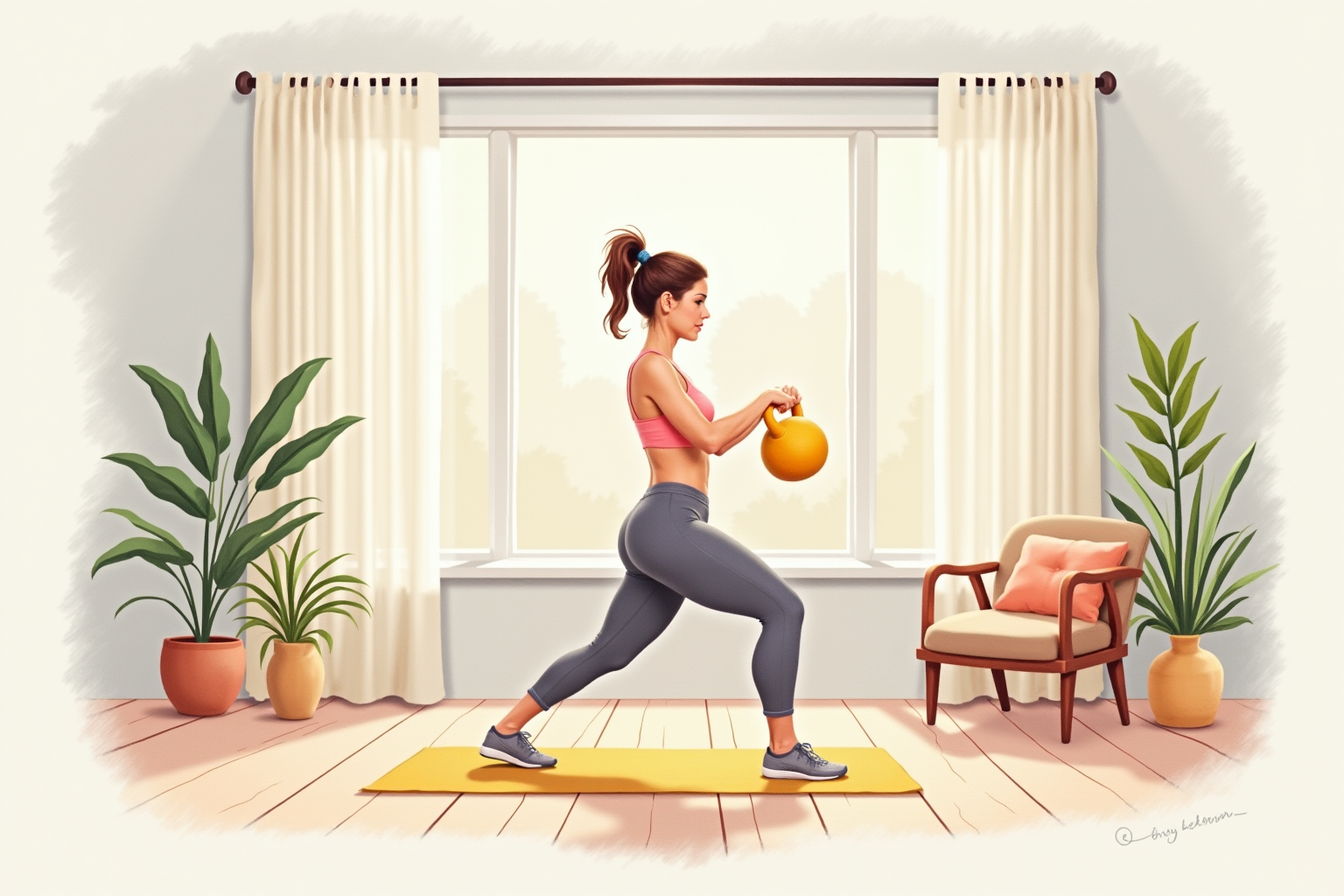
The most common kettlebell purchase mistake is choosing a weight that’s too light. The thought process:
- “I’m a beginner, so I should start light”
- “I don’t want to hurt myself”
- “I can always work up to heavier”
This leads to buying 4kg or 8kg kettlebells that quickly become too easy. Within 4-8 weeks, the user is either:
- Doing far too many reps (50+ per set is excessive)
- Bored because the weight doesn’t challenge them
- Buying a heavier kettlebell anyway (now owning two when one would have sufficed)
Pavel’s recommendation, validated across decades of RKC certifications: men start with 16kg (35 lbs), women start with 8kg (18 lbs). The kettlebell swing is a hip-driven movement that uses the largest muscles in the body — even untrained adults can manage heavier weights than they expect because the strongest muscles are doing the work.
The 16kg/8kg rule:
- Untrained men with desk jobs: 16kg starting weight
- Athletic men: 20-24kg
- Recovering from injury or sedentary 5+ years: 12kg
- Untrained women: 8kg
- Athletic women: 12-16kg
- Recovering from injury: 6kg
Use these as starting points; adjust based on first session feel. If you’re easily doing 20+ swings with confident technique, size up.
Competition vs traditional
Kettlebells come in two main categories:
Traditional cast iron:
- Bell size grows with weight
- 16kg has smaller bell than 32kg
- Handle thickness varies
- Most common for home use
- Cost: $40-150 per kettlebell
Competition kettlebells (Sport / Girevoy style):
- All weights have same physical dimensions
- Bell and handle stay constant size as weight increases
- Allows consistent grip practice across weights
- Used in Kettlebell Sport competitions
- Cost: $80-300 per kettlebell
For most home users, traditional cast iron is fine. The varying bell size doesn’t significantly affect Hardstyle training (the most popular American kettlebell methodology). For users specifically interested in Kettlebell Sport competition, competition style is the standard.
Other coating considerations:
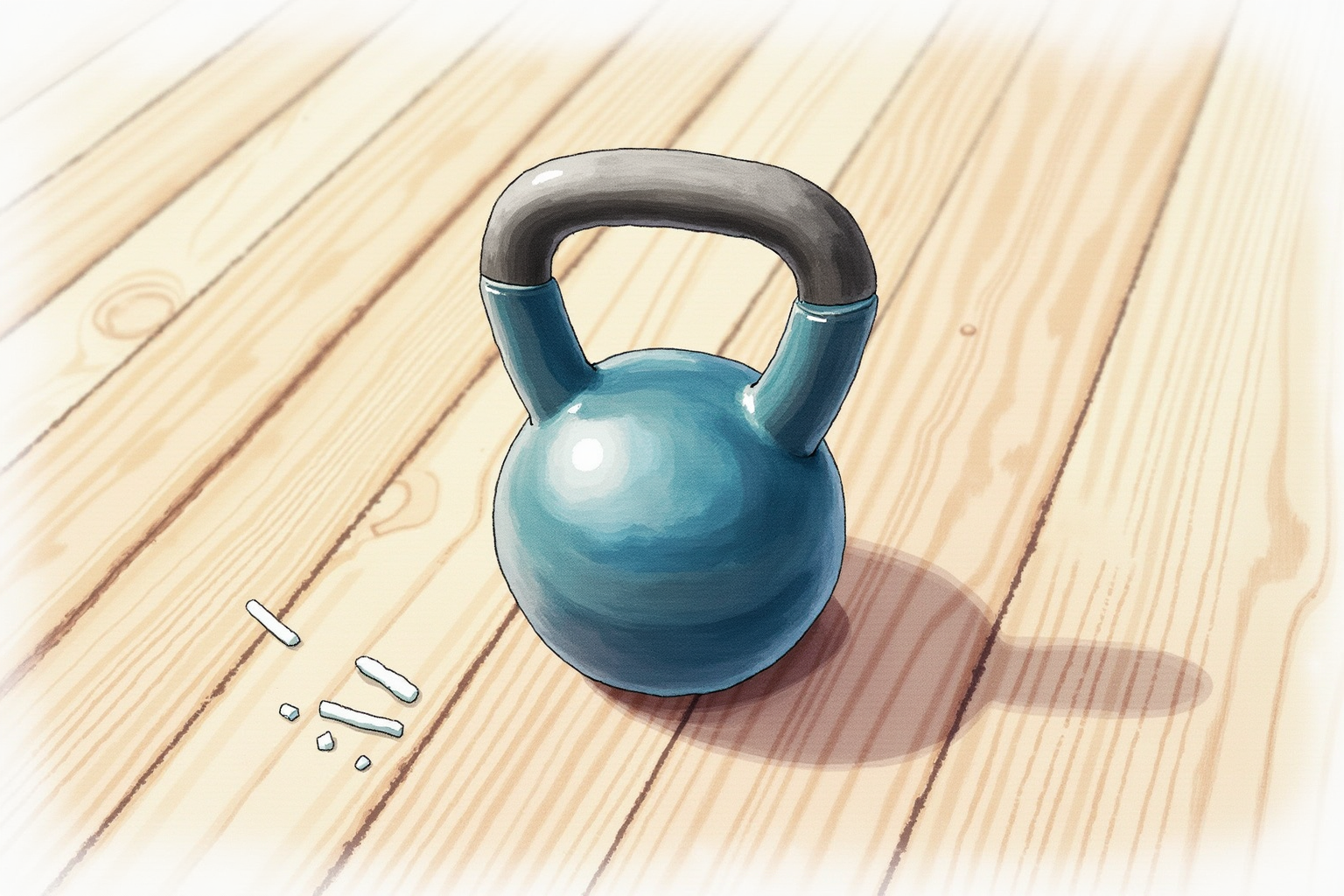
- Powder coating: rough texture, excellent grip for chalked hands, durable
- Vinyl coating: protects floors, reduces noise, can peel over time
- Bare cast iron: rusts in humid environments, needs maintenance
How many kettlebells do you need?
The progression most home users follow:
Phase 1: First kettlebell (months 0-3)
- Single kettlebell at recommended starting weight
- All training built around this one bell
- Cost: $40-80
Phase 2: Add one heavier (months 3-9)
- Add next weight up (typical jump: 4-8kg / 9-18 lbs)
- Men: 16kg → 20kg or 24kg
- Women: 8kg → 12kg or 16kg
- Cost: $50-120 additional
Phase 3: Add specialized weights (months 9+)
- Lighter for skill practice (Turkish get-ups, presses)
- Heavier for two-handed swings, deadlifts
- Cost: additional $50-150 per kettlebell
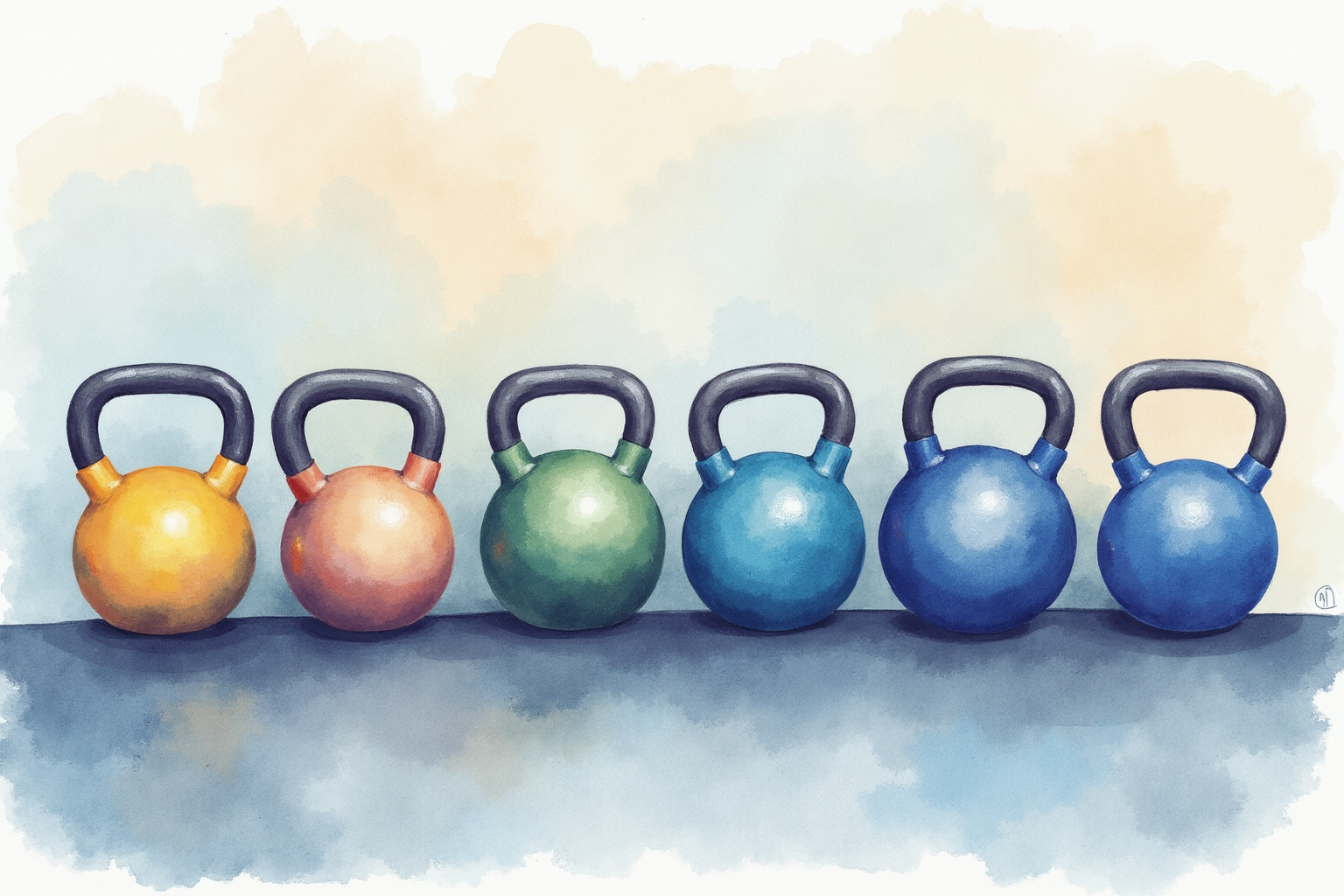
Most users plateau at 2-3 kettlebells covering 3 weight ranges. Buying a complete set (8, 12, 16, 20, 24, 32 kg = 6 kettlebells) upfront is overkill for most home users — many of those weights won’t be used.
Top picks across budgets
Kettlebell Kings Powder Coat 16kg / 35 lbs
Price · $75-110 — best men's starter pick
+ Pros
- · Powder coat finish provides excellent grip
- · Single piece cast iron construction
- · Widely used in StrongFirst certified gyms
− Cons
- · Specific 16kg size — won't work if you actually need lighter or heavier
- · Cast iron uncoated rusts if not maintained
Price, availability, and ratings can change; verify details on the retailer page before buying.
Yes4All Vinyl Coated Kettlebell 8kg / 18 lbs
Price · $30-50 — best women's starter and budget pick
+ Pros
- · Vinyl coating protects floors from damage
- · Affordable entry into kettlebell training
- · Available in many sizes (5-40 lbs)
− Cons
- · Vinyl may eventually crack with heavy use
- · Less premium feel than powder-coated competitors
Price, availability, and ratings can change; verify details on the retailer page before buying.
Rogue Competition Kettlebell 20kg
Price · $150-200 — best premium / competition pick
+ Pros
- · Standard competition dimensions
- · Premium build quality and weight accuracy
- · Suitable for Sport-style lifting
− Cons
- · Premium pricing reflects competition specifications
- · Most home users don't need competition specs
Price, availability, and ratings can change; verify details on the retailer page before buying.
The buying decision
For male beginners, the Kettlebell Kings 16kg at $75-110 is the right starting weight. The powder coat finish provides excellent grip; the weight is appropriate for almost any adult male’s starting capacity. Plan to add 20-24kg within 6-12 months as you progress.
For female beginners, the Yes4All Vinyl Coated 8kg at $30-50 is the right starting weight. The vinyl coating protects floors during apartment use; the price is reasonable for the starter weight. Plan to add 12-16kg within 6-12 months.
For users committed to Kettlebell Sport competition or premium home gym aesthetics, the Rogue Competition 20kg at $150-200 is the upgrade. The competition specs and premium build justify the price for serious training.
Avoid bargain kettlebells under $25 — weight accuracy, handle finish, and casting quality concentrate complaints. The cheapest reliable kettlebells start at the $30-40 tier.
The kettlebell is one of the most cost-effective single pieces of fitness equipment. A $75 16kg kettlebell plus knowledge of swings, Turkish get-ups, and goblet squats provides years of training value. Start with one well-chosen weight; add more as needed.
Safer starting-weight decision table
| Situation | Better first choice | Avoid this |
|---|---|---|
| New to kettlebells | Start with a weight you can control slowly | Buying heavy because swings look powerful |
| Learning hinges or goblet squats | Choose technique quality over fatigue | Testing max reps on day one |
| Shoulder or back symptoms | Get coaching or medical guidance first | Using ballistic lifts to “fix” pain |
| Small apartment or shared floor | Prioritize control, floor clearance, and storage | Fast swings near furniture or people |
| Budget is limited | Buy one versatile weight or use dumbbells first | Building a full rack before habits exist |
How to avoid buying the wrong bell
A kettlebell should match the first two months of training, not an imagined future self. If the weight is too heavy to park safely, clean smoothly, or stop without twisting, it is not a bargain. If it is so light that every exercise becomes a fast fatigue drill, it may not teach control. The best first bell is boring: heavy enough to feel real, light enough to repeat clean reps, and suitable for squats, hinges, carries, and rows.
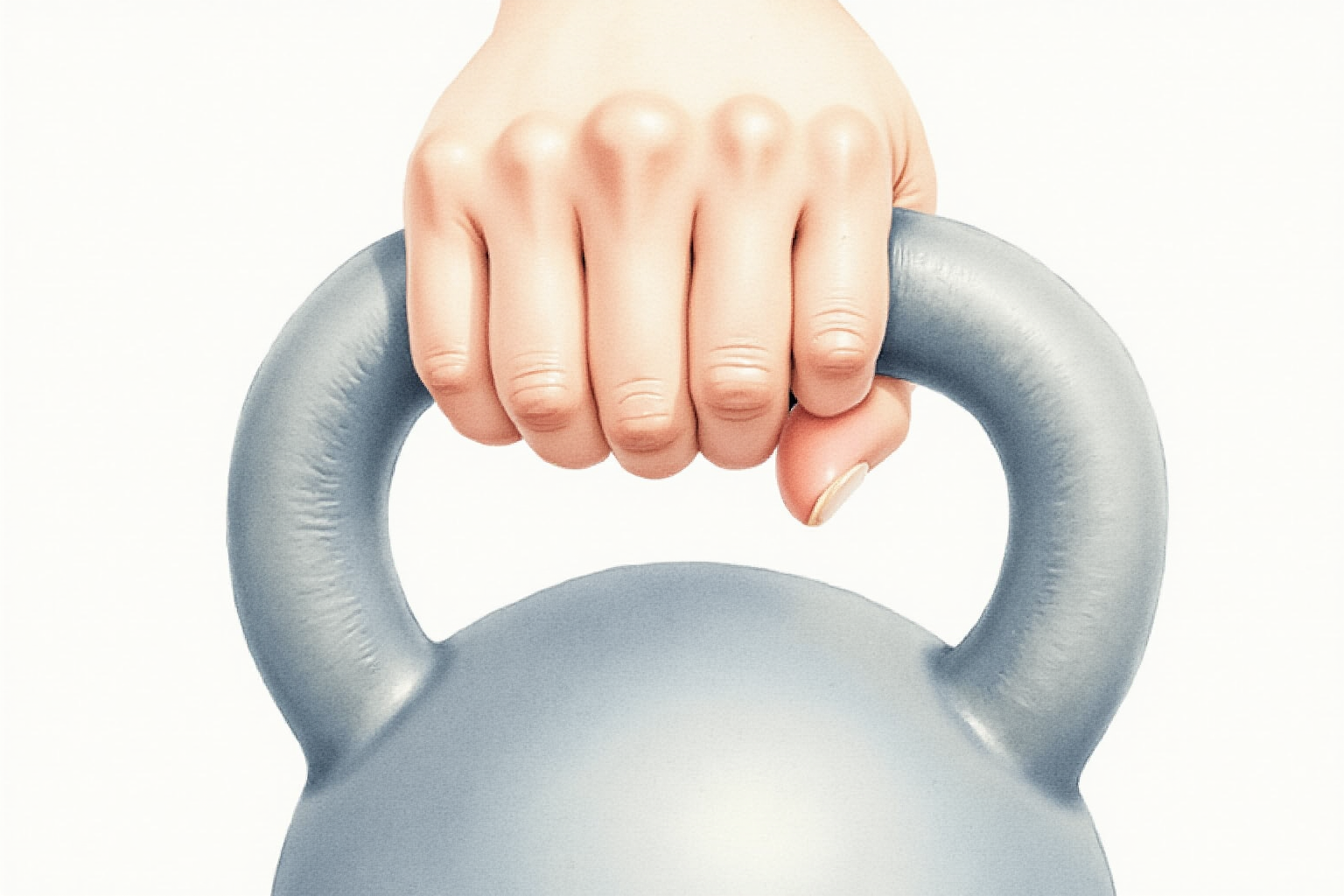
Handle shape matters more than online rankings suggest. A handle that pinches, tears skin, or crowds both hands will make practice inconsistent. If possible, test grip comfort before buying. If not, choose a simple design with enough handle space and avoid novelty shapes that look interesting but limit basic lifts.
Who should be more cautious
People with back pain, shoulder instability, balance issues, recent surgery, pregnancy-related restrictions, or uncontrolled blood pressure should not use a generic kettlebell chart as clearance. Ballistic movements such as swings and snatches require technique, space, and symptom awareness. Strength work can be valuable, but the safest progression starts with controlled hinges, carries, and squats before speed.
Source interpretation note
General resistance-training guidance supports progressive strength work, but it does not prescribe one kettlebell weight for every person. This article is a buying and practice framework, not a coaching assessment. When technique, symptoms, or medical restrictions are unclear, in-person professional guidance is safer than guessing from a chart.
Common mistakes to avoid
The most common buying mistake is planning for advanced moves before basic control exists. A bell that looks appropriate for swings may be too heavy for safe cleans, presses, or Turkish get-up progressions. A bell that is comfortable for rows may be too light for lower-body work. If you can only buy one, choose the weight that supports the widest range of controlled practice rather than the most dramatic exercise.
Another mistake is ignoring the room. Kettlebell training needs floor clearance, grip security, and a safe path if the bell must be set down quickly. Apartment training, shared living rooms, pets, children, and hard floors all change the risk calculation. When space is tight, carries, deadlifts, rows, and goblet squats are often more appropriate than swings.