Resistance Bands 2026 — Loops, Tubes, Flat Bands, and Safe Progression
Resistance bands compare on tension consistency, durability, and exercise compatibility. The category overview that helps you pick the right type for goals.
This article is for general education only and is not medical advice. Stop exercise and seek qualified care for chest pain, fainting, severe shortness of breath, neurological symptoms, uncontrolled blood pressure, recent surgery concerns, pregnancy-related concerns, or symptoms that worsen instead of improving.
Evidence and boundary review
BodyWise Lab articles cite primary sources, show update dates, and separate practical routines from clinical decisions. Source-checking is an editorial process, not a personal medical endorsement.
Resistance bands have evolved from physical therapy tools to legitimate strength training equipment. The 2010s saw bands enter elite-level training programs (Westside Barbell pioneered banded barbell work), and the 2020s have made bands mainstream for home fitness. A complete band set replaces hundreds of dollars of dumbbells, fits in a small drawer, and travels easily.
This article compares the main resistance band categories, identifies the resistance levels needed for different goals, and addresses common concerns about effectiveness vs traditional weights. The conclusion is that resistance bands are exceptionally versatile training tools — particularly valuable for home users, travelers, and rehabilitation contexts.
- Loop bands vs tube bands vs flat bands
- Resistance levels (pound ratings) by use case
- Bands vs free weights effectiveness
- Fabric vs rubber band materials
- Top picks across $15-90 budget range
Three main band categories
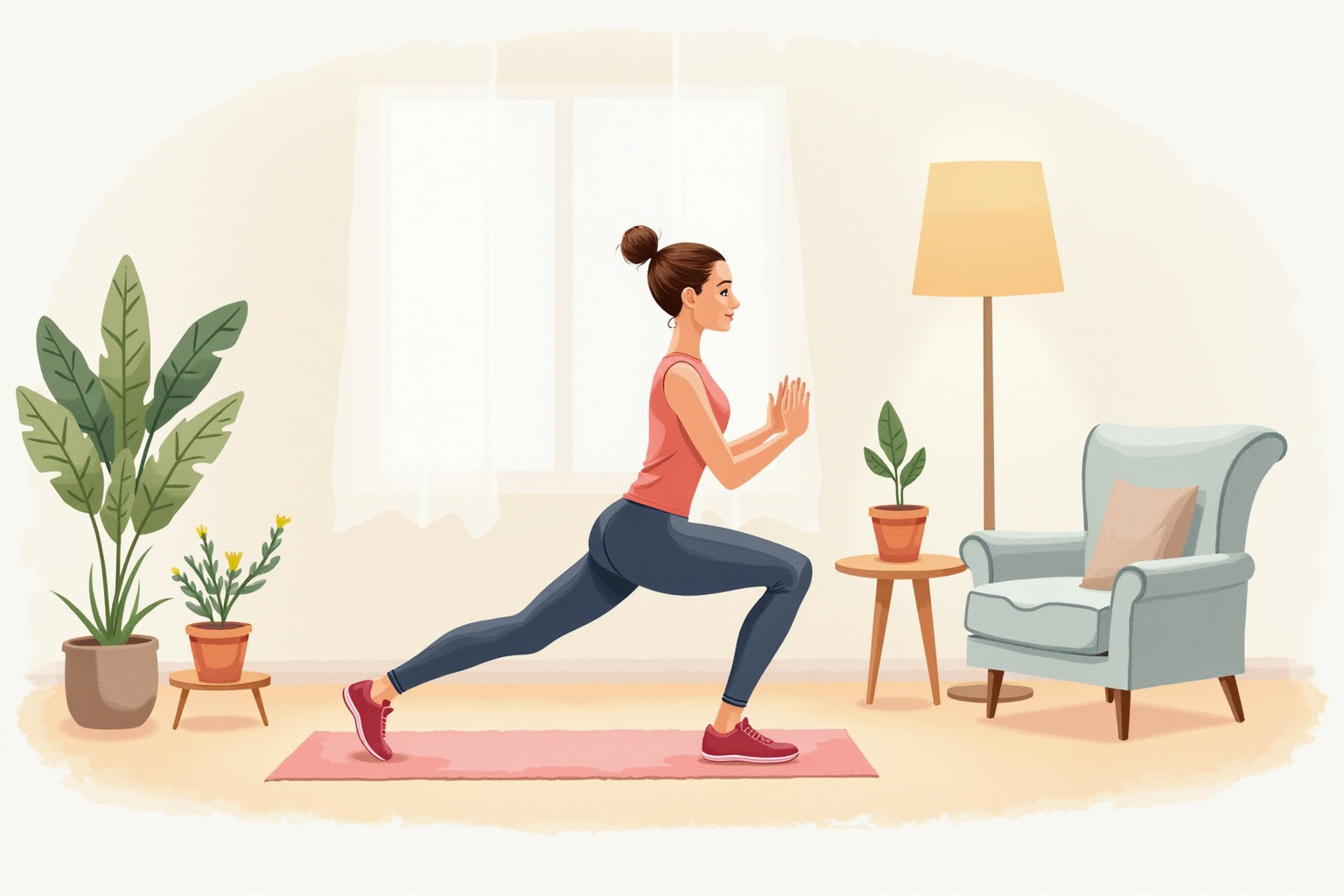
Loop bands (small mini-bands and large continuous loops):
- Mini-bands (12-inch loops): glute activation, hip exercises, knee rehabilitation
- Large loops (40-inch loops): pull-up assistance, mobility work, banded squats
- Best for: lower body, glute work, mobility
Tube bands with handles:
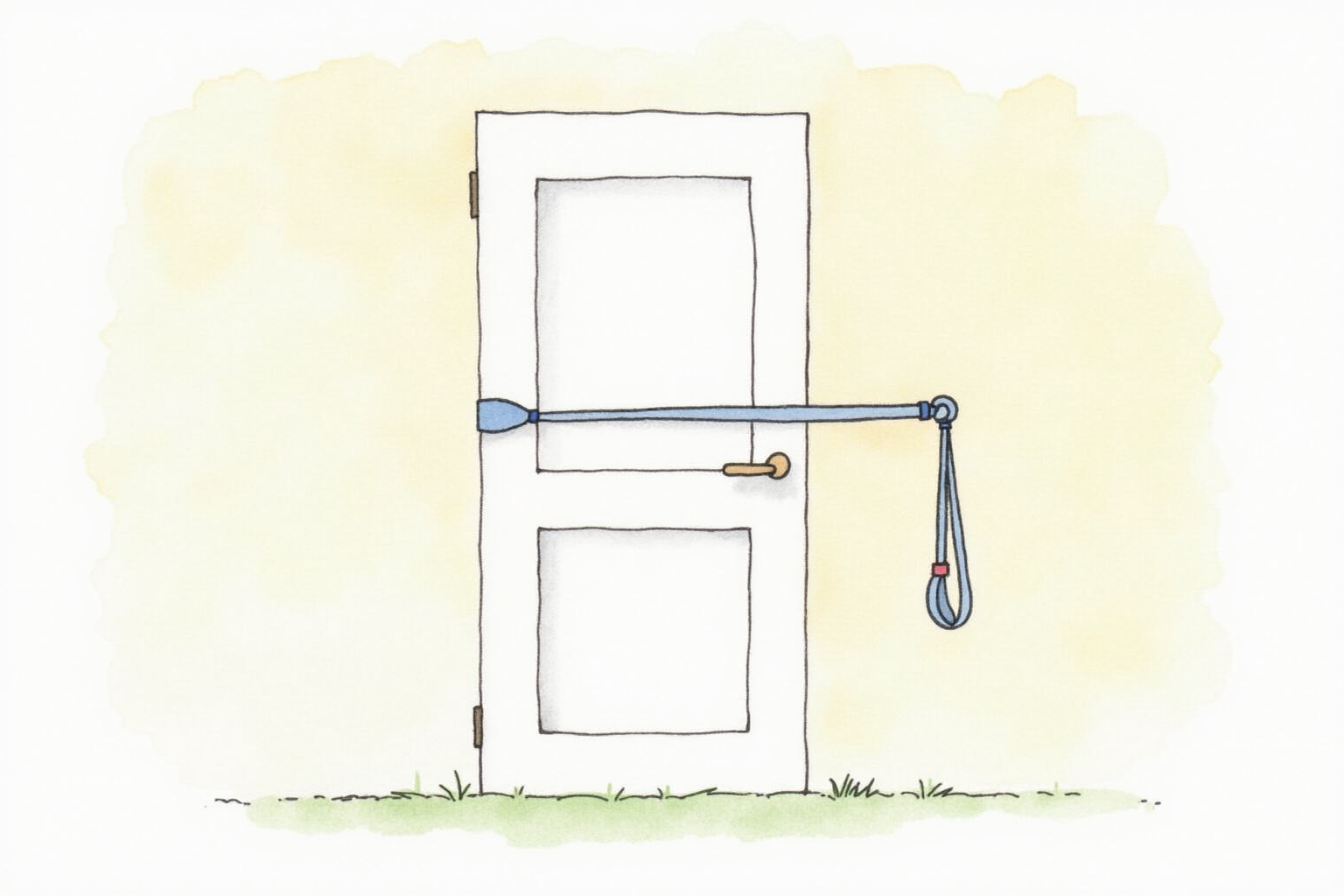
- Resistance tubes attached to handles via clip system
- Door anchor for upper body exercises
- Best for: chest press, rows, shoulder press, biceps curls
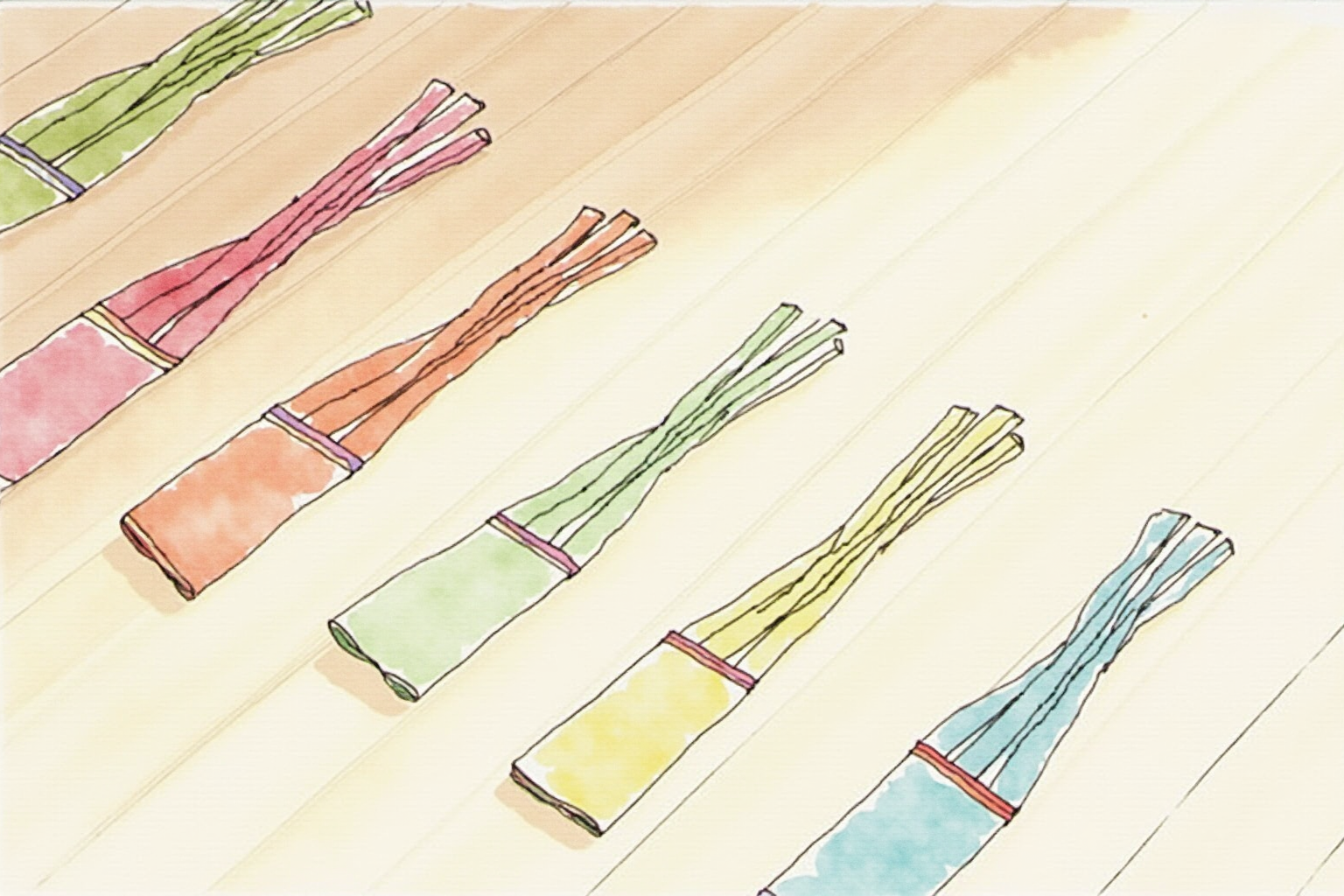
Flat bands (TheraBand style):
- Light, color-coded therapy bands
- Primarily for rehabilitation and physical therapy
- Lower resistance levels than other categories
- Best for: PT, shoulder rehabilitation, beginner mobility
Most home gym users benefit from owning both mini-bands (for glute activation pre-workout) and tube bands with handles (for upper body strength training). The combination addresses 80%+ of home exercise needs.
Resistance levels — the pound rating system
Bands are typically rated by approximate resistance (in pounds) when stretched to typical exercise range:
Light (X-Light / Yellow): 5-15 lbs Medium (Light / Red): 15-30 lbs Heavy (Medium / Black): 30-50 lbs Extra-Heavy (Heavy / Purple): 50-80 lbs Super-Heavy (Extra-Heavy / Green): 80-120 lbs
Color coding varies by brand, but pound ratings are reasonably consistent. Always check the specific band’s pound rating rather than relying on color.
Recommended sets:
Beginner: Light + Medium + Heavy = 3 bands ($30-50) Intermediate: Medium + Heavy + Extra-Heavy + 1-2 mini-bands ($50-80) Advanced: Full set (Light through Super-Heavy) + mini-bands ($80-150)
For most home users starting out, an intermediate set covers the next 1-3 years of progression.
Bands vs free weights — the effectiveness question
Modern research has updated the conventional wisdom that “free weights are always better than bands”:
Bands match free weights for:
- Muscle hypertrophy when matched to similar effort levels
- Functional movement strength
- Compound exercise patterns (squat, press, row, deadlift)
- Joint-friendly training (lower impact than heavy weights)
Free weights still excel for:
- Heavy single-rep strength (1RM strength)
- Powerlifting-specific training
- Olympic lifting movements
- Loading exact poundages
For most home gym users not training for competitive lifting, bands provide equivalent results to free weights in dramatically less space and cost.
The unique band advantage: ascending resistance. As the band stretches, resistance increases. This matches the strength curve of many movements where you’re stronger at the top (full chest press) than the bottom — making the band harder when you’re capable of more.
Fabric vs rubber materials
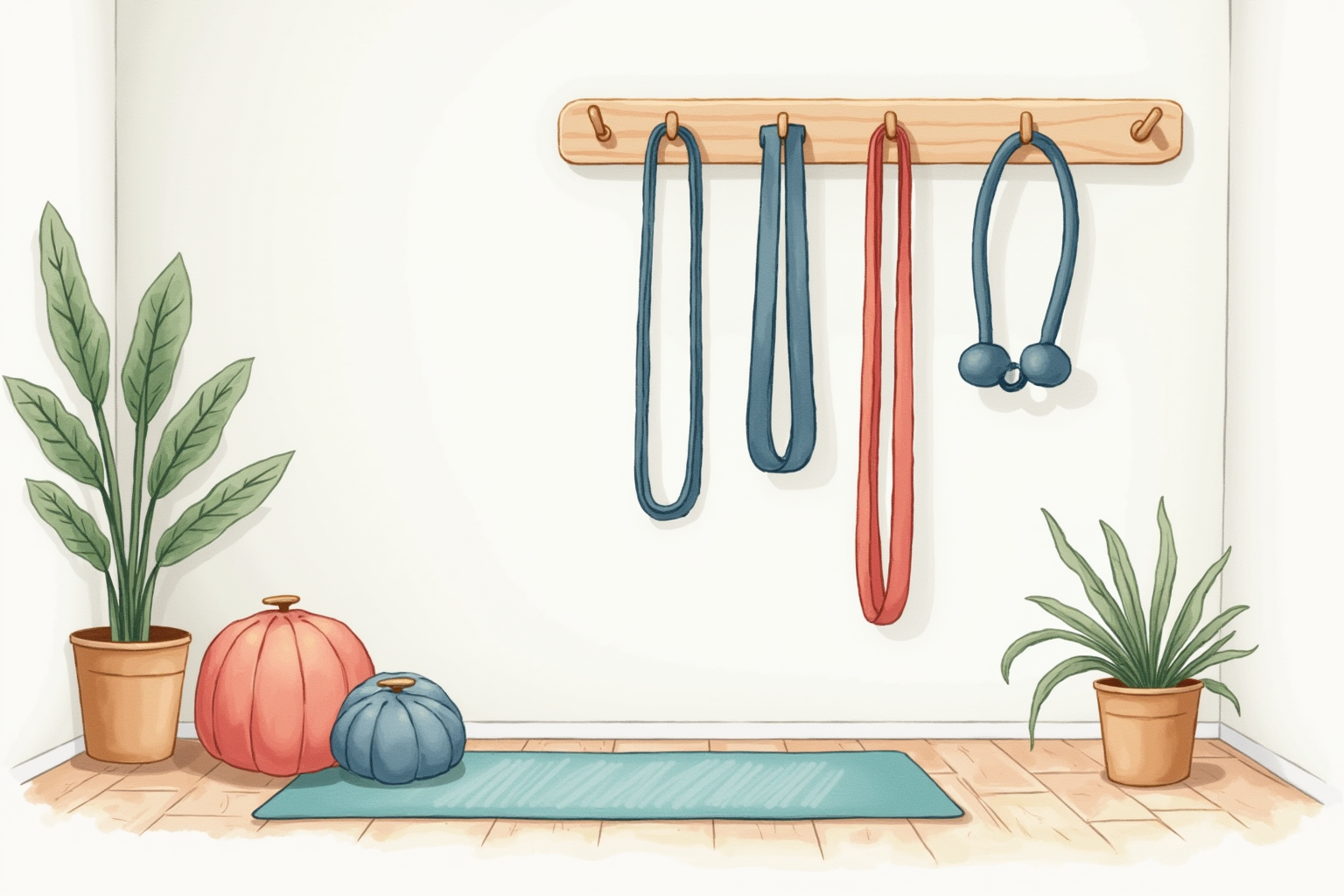
Rubber (latex/TPE) tube and loop bands:
- Greater elasticity, smoother resistance through full range
- Better for upper body and tubing-based exercises
- Latex can cause allergies for some users (TPE is alternative)
- Cost: $20-50 per set
Fabric (cotton/polyester) loop bands:
- Stay in place on legs without rolling or pinching
- Better grip on body, no slipping
- Less elastic than rubber (constant resistance feel)
- Cost: $15-30 per set
Optimal home setup: One rubber tube set with handles + one fabric mini-band set. Total $40-70. Covers virtually any band exercise from upper body to glute activation to mobility work.
Top picks across budgets
Bodylastics Stackable Resistance Band Set
Price · $60-80 — best premium tube band pick
+ Pros
- · Patented anti-snap inner cord prevents face injuries
- · Stackable resistance — combine 2-3 bands for higher resistance
- · Door anchor, handles, and ankle straps included
− Cons
- · Premium pricing vs basic alternatives
- · Stackable system adds complexity for beginners
Price, availability, and ratings can change; verify details on the retailer page before buying.
WODFitters Pull-Up Assist Band Set
Price · $30-60 — best loop band pick
+ Pros
- · Large continuous loops for pull-up assistance
- · Wide resistance range (5-175 lbs)
- · Versatile for mobility, squat assistance, mobility work
− Cons
- · Less specific for upper body strength training
- · Loop bands rare for specific PT exercises
Price, availability, and ratings can change; verify details on the retailer page before buying.
Te-Rich Fabric Resistance Loop Bands Set
Price · $15-25 — best fabric loop pick
+ Pros
- · 3 fabric loops in light/medium/heavy resistance
- · Don't roll up or pinch skin during squats/lunges
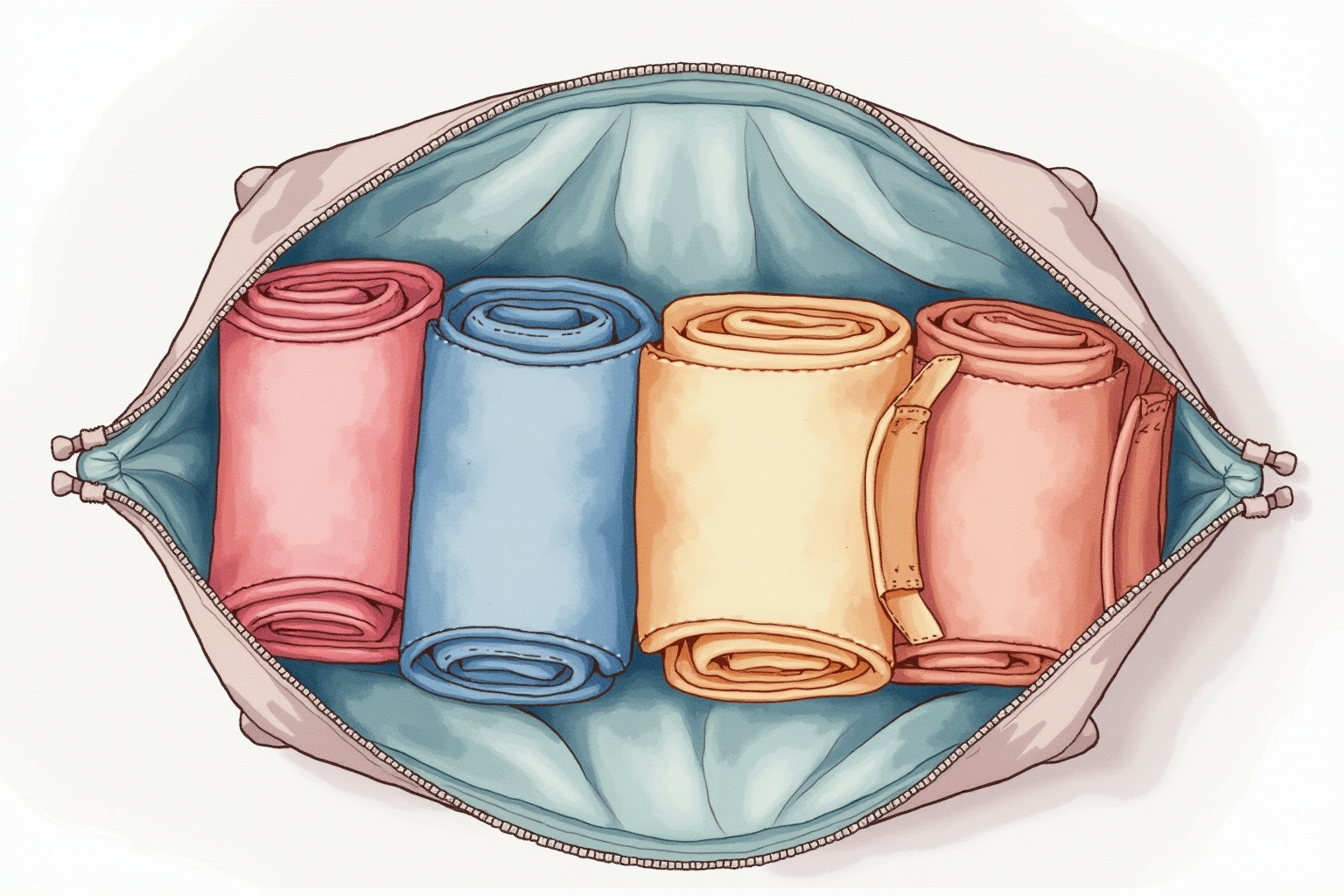
- · Compact storage in included travel bag
− Cons
- · Fabric eventually shows wear with daily use
- · Less elastic than rubber for some exercises
Price, availability, and ratings can change; verify details on the retailer page before buying.
Start with the band you will use safely
A full band kit is not necessary for everyone. If you are rehabbing, start with clinician-directed tension. If you travel, one light loop and one tube may be enough. If you are building a home gym, bands work best as accessories for warm-ups, rows, pull-aparts, assisted pull-ups, and lower-body activation rather than as a promise to replace every heavy lift.
Safety and replacement rules
- Inspect for nicks, cracks, fraying, chalky surfaces, or stretched-out sections before use.
- Keep bands away from sharp door edges, rough anchors, sunlight, and high heat.
- Anchor at a height and direction that will not snap toward your face if it fails.
- Progress by control and range of motion, not by grabbing the thickest band immediately.
- Replace questionable bands early; a cheap band is not worth an eye or face injury.
The buying decision
For most home gym users, the right combination is Bodylastics Stackable tube set ($60-80) plus a fabric mini-band set ($15-25). Total $75-105. The tube set covers upper body and lower body with handles and door anchor; the mini-bands handle glute activation and hip mobility.
For pull-up assistance and mobility-focused users, WODFitters large loop bands at $30-60 are the right pick. The wide resistance range covers everything from pull-up assistance (for those who can’t do unassisted pull-ups yet) to weighted band squats.
For budget-conscious starts, the Te-Rich fabric loop set at $15-25 alone provides a complete glute/hip/lower-body workout option. Add tube bands later if upper body training is needed.
Avoid the cheapest no-name bands under $10 — pound ratings are often inaccurate and band failure is more common. The $15-30 minimum is where reliable resistance bands start.
Resistance bands are one of the most cost-effective home fitness investments. The $30-100 spent on a complete band set provides exercise variety equivalent to hundreds of dollars of weights, fits in a drawer, and travels in a suitcase. For apartment fitness, travel fitness, or budget-constrained home gyms, bands are essential.
AdSense readiness reader-depth review
This additional review section was added to make the page more useful for readers who arrive from search with a practical decision to make about Resistance Bands 2026 — Loops, Tubes, Flat Bands, and Safe Progression. The goal is not to inflate word count. The goal is to show the exact reasoning a cautious reader should use before turning general fitness information into action. For this topic, the central decision is a equipment or tool choice: what should be tried, what should be delayed, and what should be discussed with a qualified professional before the reader treats the article as permission to proceed.
A useful first pass is to separate baseline, risk, and follow-up. Baseline means the reader understands their current routine, recent symptoms, sleep, training load, and previous response to similar sessions or products. Risk means the reader checks space, load rating, joint comfort, technique level, return policy, warranty terms, and the exercises actually planned. Follow-up means the reader knows what to record after the decision: session duration, effort, symptoms, comfort, next-day fatigue, and whether the choice made the next workout easier or harder. That loop is what separates helpful guidance from a thin recommendation list.
| Reader question | Better action for this article | Why it improves trust |
|---|---|---|
| What am I trying to solve? | Name the specific training, recovery, comfort, or safety problem before acting | Prevents buying or training for a vague goal |
| What could make this unsafe today? | Check symptoms, environment, recovery, and personal restrictions first | Keeps the article from replacing qualified care |
| What is the smallest useful test? | choose a lower-risk test session, verify setup, and stop using the tool if form or pain changes | Preserves consistency without forcing a high-risk leap |
| What should I document? | Note dose, duration, conditions, symptoms, and next-day response | Makes future decisions evidence-based rather than emotional |
The page should also be read with clear limits. It is not a diagnosis, treatment plan, personalized coaching program, or guarantee of results. If symptoms are severe, unusual, worsening, or linked with chest pain, fainting, neurological signs, major injury, medication concerns, or a clinician’s restriction, the article should be paused and qualified guidance should take priority. If the topic involves a product, the manufacturer’s current instructions and safety warnings also matter more than a blog summary.
For AdSense review, this matters because a strong health and fitness page should not look like a doorway to products, generic motivation, or copied search snippets. It should help a real person make a safer, more specific choice. The practical standard for this BodyWise Lab article is simple: use primary or authoritative sources, keep commercial pressure low, write warnings in readable text, and give the reader a repeatable method for deciding what to do next.