Foam Roller vs Massage Gun — 2026 Recovery Tool Comparison
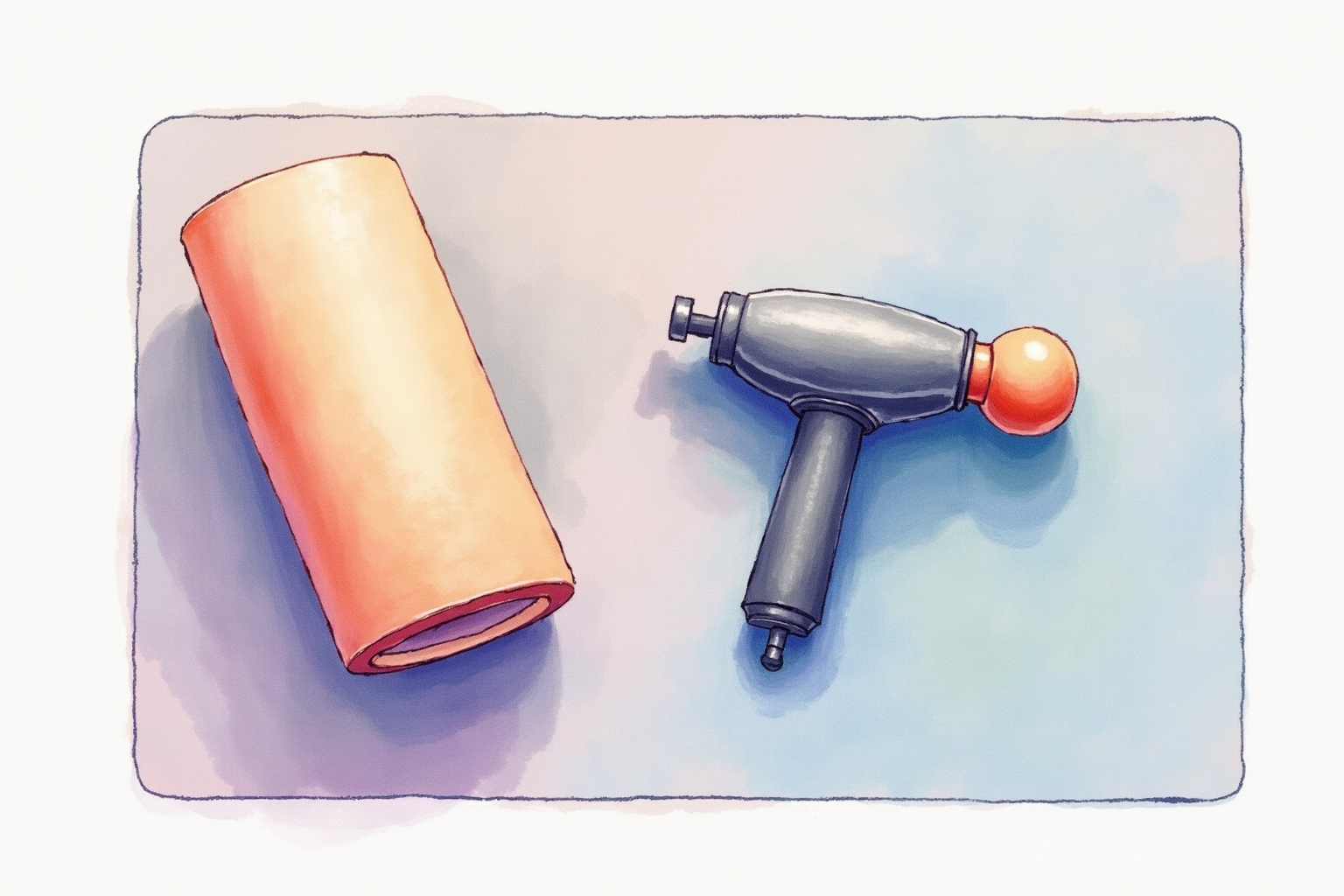
Foam rollers and percussion massage guns address muscle recovery differently. Compared on effectiveness, time efficiency, and which tool fits which use case.
This article is for general education only and is not medical advice. Stop exercise and seek qualified care for chest pain, fainting, severe shortness of breath, neurological symptoms, uncontrolled blood pressure, recent surgery concerns, pregnancy-related concerns, or symptoms that worsen instead of improving.
Evidence and boundary review
BodyWise Lab articles cite primary sources, show update dates, and separate practical routines from clinical decisions. Source-checking is an editorial process, not a personal medical endorsement.
Muscle recovery tools have evolved significantly since the foam roller’s original 1980s popularization. The 2020s have added percussion massage guns to the standard recovery toolkit, with brands like Theragun and Hyperice creating $300-700 premium products. The question for most users isn’t foam roller OR massage gun — it’s understanding what each tool does well and when to use each.
This article compares foam rollers and massage guns on effectiveness, use cases, and value, helping you decide whether you need one tool, both, or just a basic foam roller. The conclusion is that foam rollers cover most recovery needs at minimal cost, while massage guns add targeted intensity that some users benefit from significantly.
- Mechanism differences (rolling pressure vs percussion)
- Effectiveness research for both tools
- Time efficiency and use cases
- Foam roller types (smooth vs textured, density variations)
- Top picks across $25-700 budget range
Mechanism — pressure vs percussion
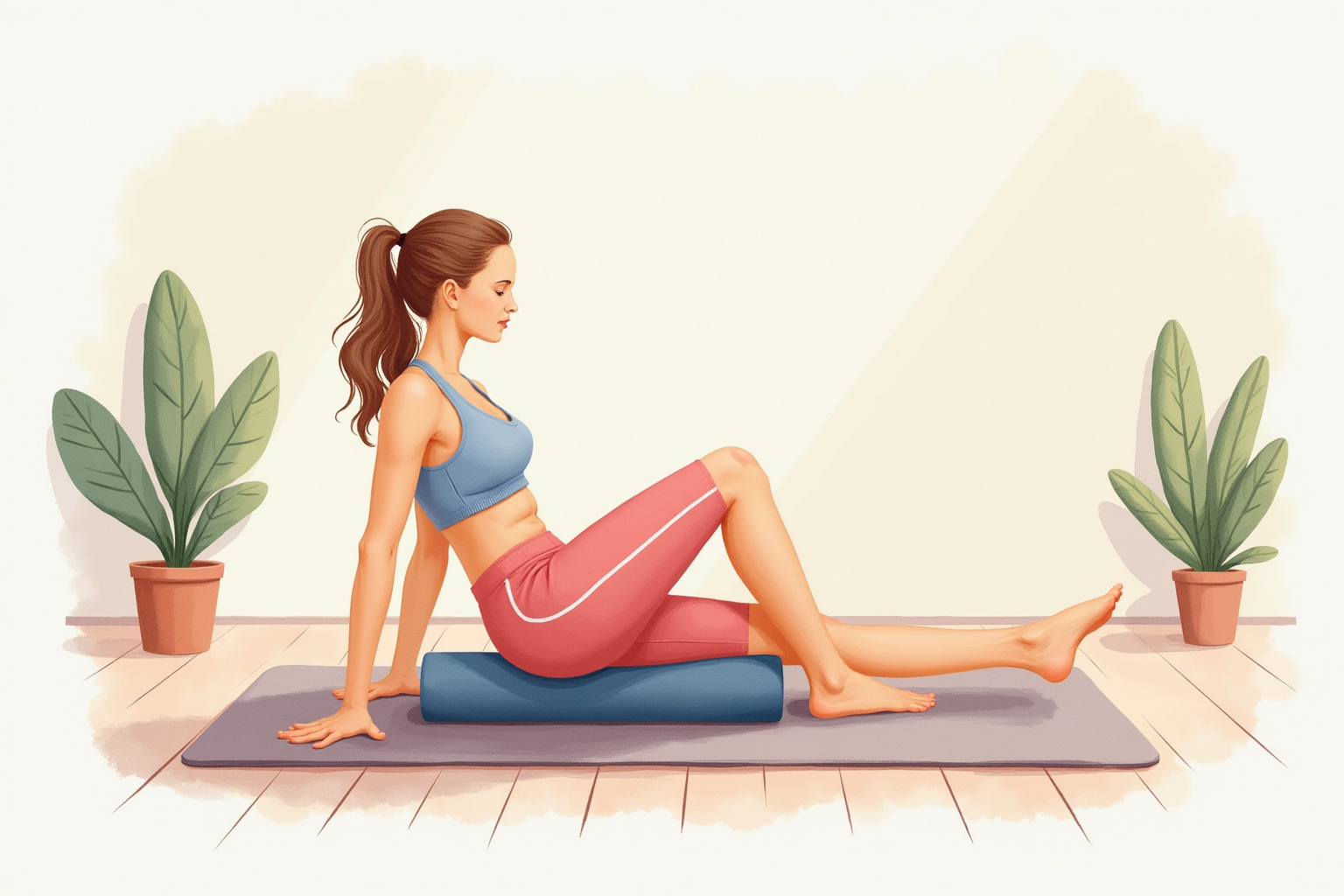
Foam rolling (Self-Myofascial Release / SMR):
- Applies sustained pressure to muscle/fascia tissue
- Movement of bodyweight over roller provides force
- Releases trigger points and adhesions in fascia
- Improves blood flow and tissue mobility
- Mechanism: mechanical pressure breaking down adhesions
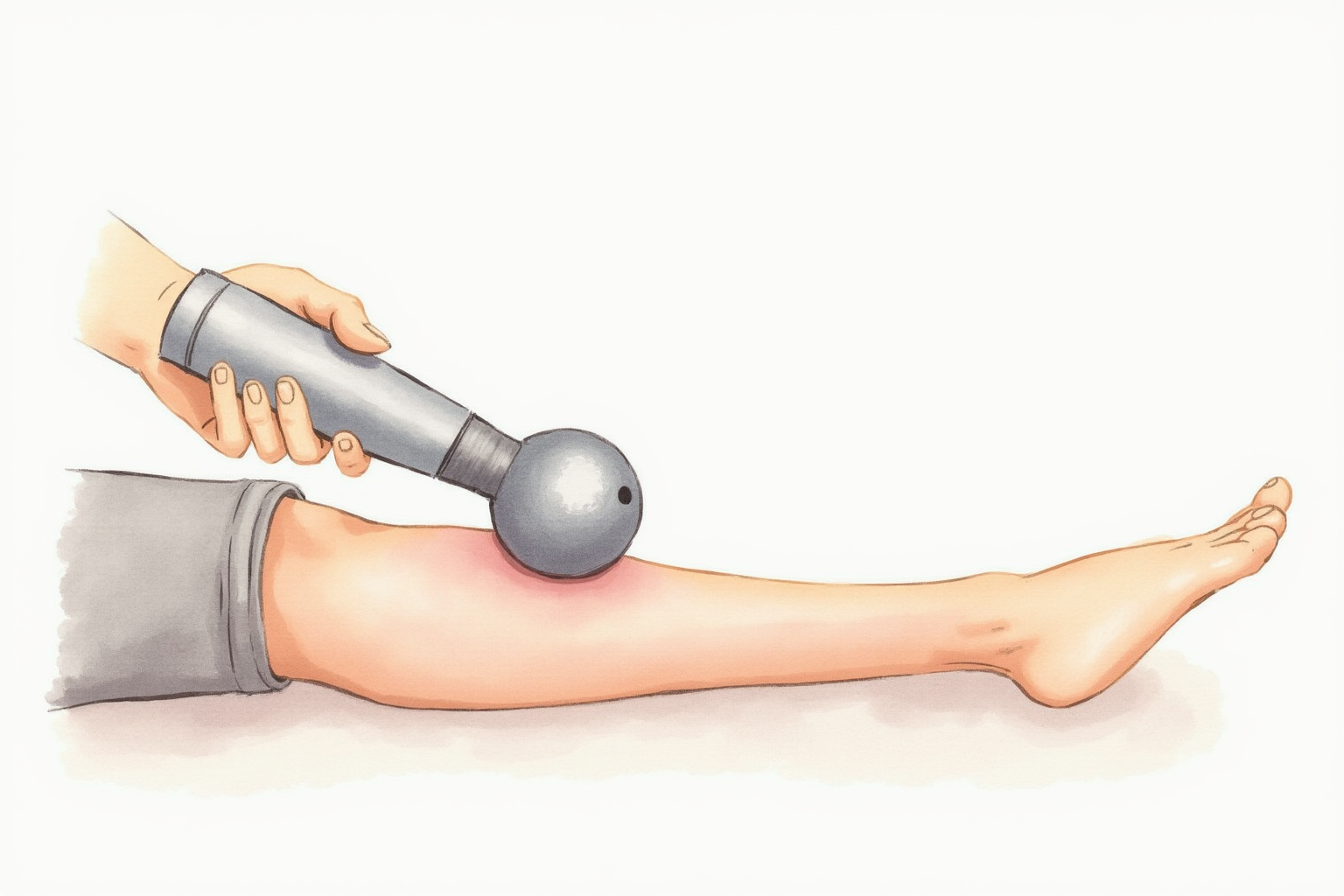
Percussion therapy (Massage gun):
- Rapid mechanical strokes (1800-3200 per minute)
- Penetrates 5-12mm into tissue
- Stimulates muscle relaxation reflex
- Improves blood flow and lymphatic drainage
- Mechanism: rapid mechanical stimulation of muscle spindles
Both tools address muscle recovery but through different mechanisms. Foam rolling is more thorough across broad areas; massage guns are more targeted at specific tight spots.
Effectiveness research
Foam rolling research findings:
- 30-60 seconds per muscle group improves flexibility 10-15%
- Reduces delayed onset muscle soreness (DOMS) by 15-25%
- Acute improvements in range of motion lasting 10-30 minutes
- Long-term flexibility gains require 4+ weeks of consistent practice
Percussion gun research findings:
- Single 5-minute session reduces DOMS by 20-30%
- Acute improvements in range of motion lasting 30-60 minutes
- Reduces muscle stiffness more effectively than foam rolling in 30-second windows
- Best effects on specific localized tightness
The effects are modest but real for both. Neither tool dramatically transforms recovery; both provide incremental improvement. Consistent daily use of foam roller plus targeted massage gun use produces meaningful cumulative benefit.
Time efficiency
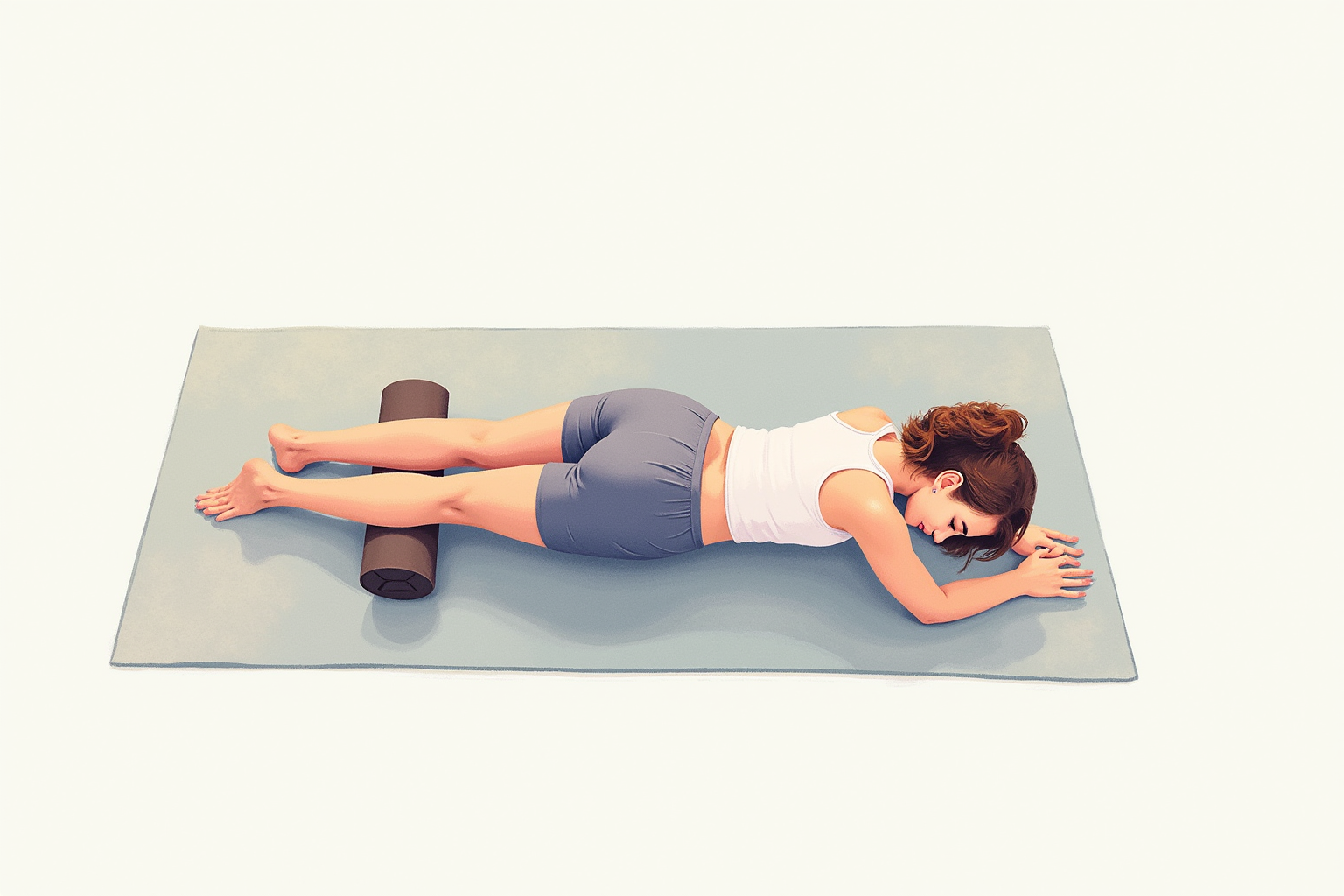
Foam rolling: 5-15 minutes for full body
- 30-60 seconds per muscle group
- 8-12 muscle groups for complete workout
- Best done as part of warm-up or cool-down
Massage gun: 2-5 minutes for targeted use
- 30-60 seconds per spot
- Focused on 4-6 specific tight areas
- Best done for acute tightness or post-workout
Combined approach: 10-20 minutes total
- 5-10 min foam rolling broad areas
- 2-5 min massage gun targeted hot spots
- Most thorough recovery for serious training
For users with limited time (under 10 min), foam rolling alone provides better coverage. For acute soreness in specific spots, massage gun is faster.
Foam roller variations
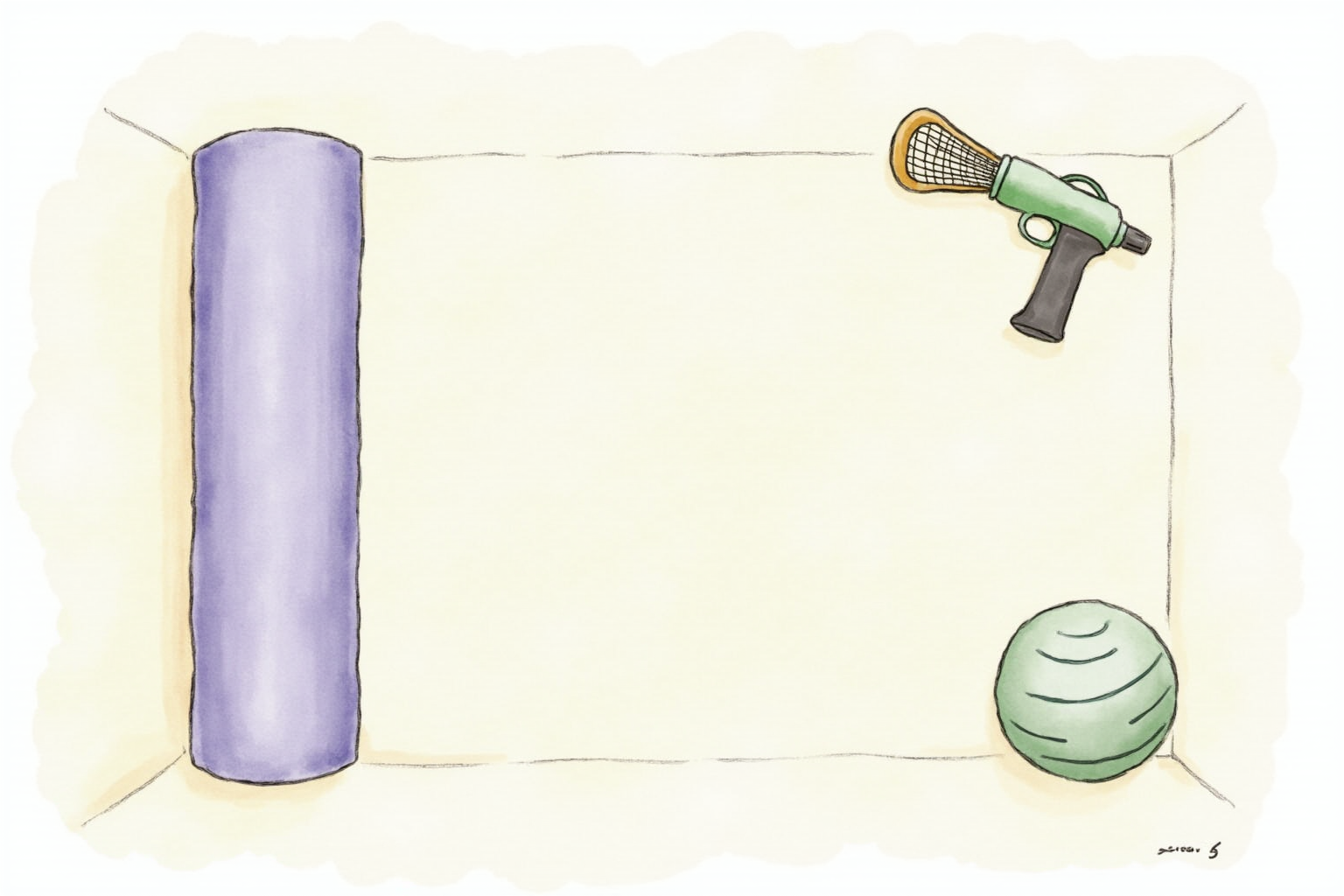
Density (firmness):
- White/blue: soft, beginner-friendly, less intense
- Black/dark: dense, more intense
- Use progression: start soft, advance to dense
Surface texture:
- Smooth: even pressure, gentler
- Textured (knobby, ridged): deeper penetration, more intense
- Vibrating: combines pressure with vibration (premium category)
Length and diameter:
- 12-18 inches: portable, focused use
- 24-36 inches: full back rolling, traditional size
- 4-6 inch diameter: standard
- 8 inch diameter: gentler, more stable
For most users, a 36-inch smooth medium-density roller ($25-40) is the right starting point. Add textured or vibrating options later if needed.
Top picks across budgets
TriggerPoint GRID Foam Roller (13-Inch)
Price · $25-40 — best entry foam roller pick
+ Pros
- · Patented multi-density GRID texture
- · Hollow EVA construction holds shape for years
- · Compact 13-inch length suits travel and storage
− Cons
- · Smaller than full-length 36-inch rollers
- · Premium pricing for foam category
Price, availability, and ratings can change; verify details on the retailer page before buying.
Theragun PRO (Professional Massage Gun)
Price · $549-599 — best premium massage gun pick
+ Pros
- · Quietest professional-grade percussion (35-40 dB)
- · Adjustable arm for hard-to-reach areas
- · 2.5+ hour battery life
− Cons
- · Premium pricing reflects pro-grade build
- · Heavier than budget alternatives (2.9 lbs)
Price, availability, and ratings can change; verify details on the retailer page before buying.
RENPHO R3 Mini Massage Gun
Price · $70-100 — best budget massage gun pick
+ Pros
- · 70% of premium gun performance at 15% of price
- · Compact and travel-friendly
- · 4 attachments cover most use cases
− Cons
- · Louder than premium guns (55-60 dB)
- · Shorter battery life (1-2 hours)
Price, availability, and ratings can change; verify details on the retailer page before buying.
When not to buy either tool
Do not buy a recovery tool to solve pain you have not understood. Sharp pain, swelling, numbness, unexplained weakness, traumatic injury, fever, or pain that worsens with training deserves qualified evaluation. For normal soreness, the cheapest first steps are often sleep, easier programming, walking, gentle range-of-motion work, and enough food and fluids.
Decision guide without product pressure
| Situation | Start here | Why |
|---|---|---|
| General post-workout soreness | Walking and light mobility | Low risk and free |
| Broad tight quads, calves, or upper back | Smooth foam roller | Cheap and easy to dose |
| Localized tight spot you can reach safely | Ball or gentle massage gun setting | More targeted than rolling everything hard |
| Persistent or unusual pain | Professional assessment | A tool can mask a problem rather than solve it |
The buying decision
For most home users, the right starting point is the TriggerPoint GRID Foam Roller at $25-40 alone. The foam roller covers 80% of self-myofascial release needs with minimal investment. Daily 10-15 minute use provides meaningful recovery benefit.
For users who want both tools at reasonable cost, add the RENPHO R3 mini massage gun at $70-100. Total $95-140 covers foam rolling for broad areas plus targeted percussion for specific tight spots — the complete home recovery toolkit.
For serious athletes prioritizing recovery, the Theragun PRO at $549-599 is the premium investment. The quieter motor, longer battery, and adjustable arm make it the daily-use tool for athletes whose recovery quality directly affects performance.
Avoid massage guns under $50 — quality control varies significantly and motor durability is unreliable. The $70-100 minimum is where reliable budget guns start.
Recovery tools are the most under-utilized fitness investment for most home users. Adding 10-20 minutes of daily self-myofascial release combined with targeted percussion produces measurable improvements in flexibility, DOMS recovery, and training capacity. Start with the foam roller; add the massage gun later if you find specific spots that need more targeted attention.
AdSense readiness reader-depth review
This additional review section was added to make the page more useful for readers who arrive from search with a practical decision to make about Foam Roller vs Massage Gun — 2026 Recovery Tool Comparison. The goal is not to inflate word count. The goal is to show the exact reasoning a cautious reader should use before turning general fitness information into action. For this topic, the central decision is a equipment or tool choice: what should be tried, what should be delayed, and what should be discussed with a qualified professional before the reader treats the article as permission to proceed.
A useful first pass is to separate baseline, risk, and follow-up. Baseline means the reader understands their current routine, recent symptoms, sleep, training load, and previous response to similar sessions or products. Risk means the reader checks space, load rating, joint comfort, technique level, return policy, warranty terms, and the exercises actually planned. Follow-up means the reader knows what to record after the decision: session duration, effort, symptoms, comfort, next-day fatigue, and whether the choice made the next workout easier or harder. That loop is what separates helpful guidance from a thin recommendation list.
| Reader question | Better action for this article | Why it improves trust |
|---|---|---|
| What am I trying to solve? | Name the specific training, recovery, comfort, or safety problem before acting | Prevents buying or training for a vague goal |
| What could make this unsafe today? | Check symptoms, environment, recovery, and personal restrictions first | Keeps the article from replacing qualified care |
| What is the smallest useful test? | choose a lower-risk test session, verify setup, and stop using the tool if form or pain changes | Preserves consistency without forcing a high-risk leap |
| What should I document? | Note dose, duration, conditions, symptoms, and next-day response | Makes future decisions evidence-based rather than emotional |
The page should also be read with clear limits. It is not a diagnosis, treatment plan, personalized coaching program, or guarantee of results. If symptoms are severe, unusual, worsening, or linked with chest pain, fainting, neurological signs, major injury, medication concerns, or a clinician’s restriction, the article should be paused and qualified guidance should take priority. If the topic involves a product, the manufacturer’s current instructions and safety warnings also matter more than a blog summary.
For AdSense review, this matters because a strong health and fitness page should not look like a doorway to products, generic motivation, or copied search snippets. It should help a real person make a safer, more specific choice. The practical standard for this BodyWise Lab article is simple: use primary or authoritative sources, keep commercial pressure low, write warnings in readable text, and give the reader a repeatable method for deciding what to do next.