Desk Worker Shoulder Microbreak and Strength Plan
A practical plan for desk workers to reduce shoulder tension with microbreaks, strength progressions, workstation checks, and red flags.

This article is for general education only and is not medical advice. Stop exercise and seek qualified care for chest pain, fainting, severe shortness of breath, neurological symptoms, uncontrolled blood pressure, recent surgery concerns, pregnancy-related concerns, or symptoms that worsen instead of improving.
Evidence and boundary review
BodyWise Lab articles cite primary sources, show update dates, and separate practical routines from clinical decisions. Source-checking is an editorial process, not a personal medical endorsement.
This guide was checked on 2026-06-25 against the listed sources. It is practical guidance, not a substitute for qualified medical, emergency, food-safety, driving, electrical, or legal advice. Use current official alerts, product manuals, local rules, and professional guidance when they are stricter than this checklist.
Quick decision table
| Situation | Safer choice | Mistake to avoid |
|---|---|---|
| Desk discomfort starts | Stand, breathe, check shoulder range, and do one easy mobility drill | Waiting until pain changes your form |
| Microbreak feels helpful | Repeat every 45-60 minutes and keep it gentle | Turning every break into a hard workout |
| Strength work is planned | Use slow band rows, wall slides, and pain-free range | Training through sharp, radiating, or worsening pain |
| Red flags appear | Stop and seek qualified care for numbness, weakness, chest symptoms, trauma, or severe pain | Treating medical warning signs as poor discipline |

1. Read the desk signal before choosing an exercise
A desk worker shoulder plan should begin with what changed today: keyboard reach, meeting length, mouse use, stress, sleep, and whether the shoulder feels stiff or painful before exercise. Start with gentle motion and posture reset rather than a loaded drill. If movement improves warmth and range, continue with the lighter plan; if pain sharpens, spreads, or reduces strength, stop and use qualified medical guidance.

2. Use microbreaks to reduce position fatigue
Microbreaks work best when they are boring and repeatable. Stand up, relax the neck, move the shoulder blades, breathe, and do one or two low-effort drills that do not create symptoms. The goal is to interrupt long static positions so a later workout does not start from a clenched, irritated baseline.
3. Progress strength without provoking symptoms
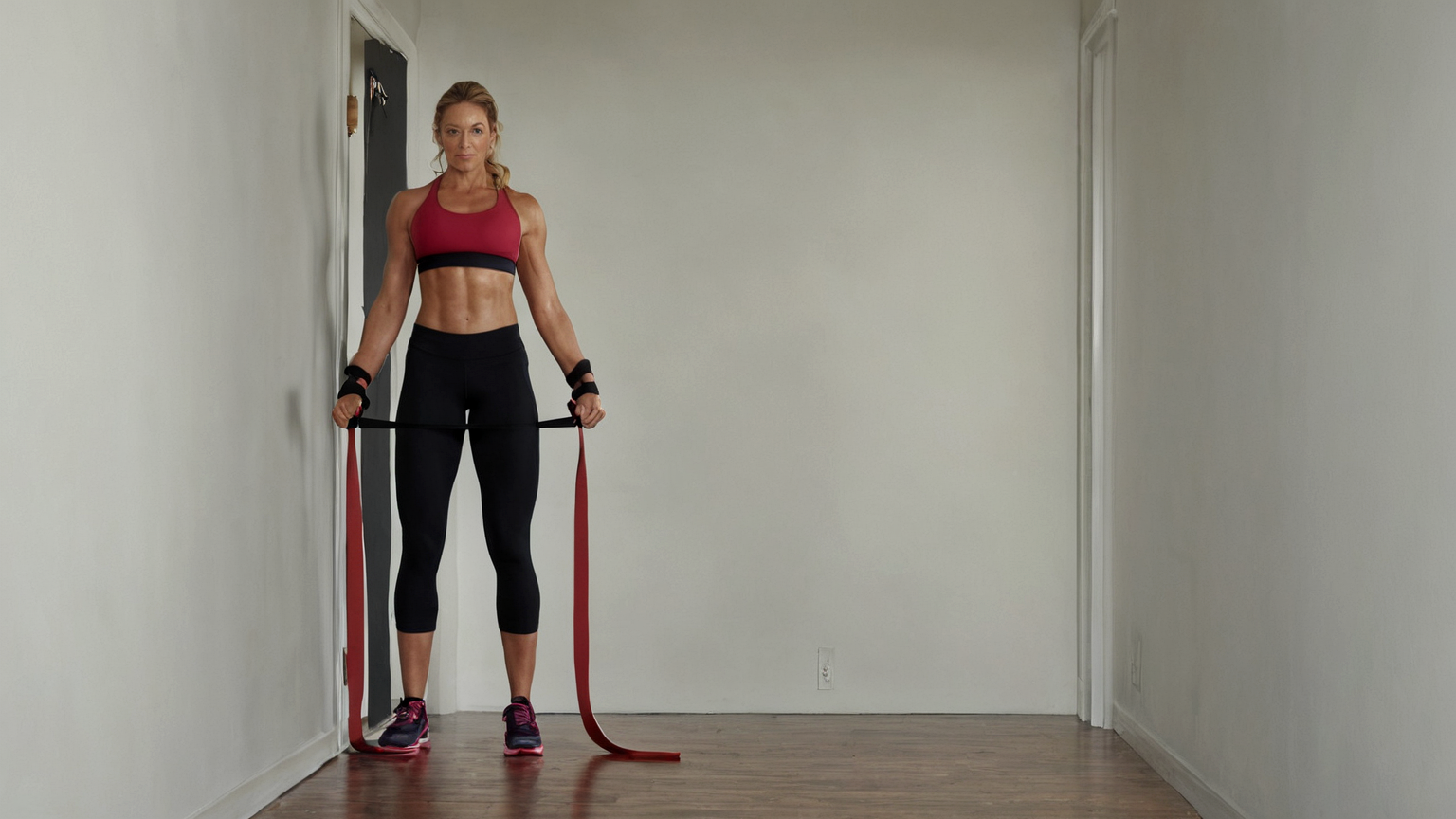
Strength progressions should be small: band rows, wall slides, external-rotation practice, and carrying work that stays below pain. Avoid grinding reps, sudden overhead loading, or copying rehab exercises meant for someone else. Keep a simple note of the drill, effort, symptoms during the set, and the next-day result.

4. Set red flags that stop the plan
Red flags matter more than streaks. Stop for numbness, tingling, sudden weakness, trauma, chest symptoms, severe headache, fever, or shoulder pain that is escalating despite lower load. A practical blog post should make this boundary obvious rather than implying a home checklist replaces clinical assessment.

5. Make the workstation support the habit
AdSense readiness is preserved by keeping the article non-commercial and source-backed. The page gives a repeatable decision process, internal links, native tables, and limitations; it does not sell posture gadgets or hide warnings inside images.
Step-by-step checklist
- Check the current source, alert, label, manual, condition, or symptom before starting.
- Prepare the physical setup so the safer choice is easier than the shortcut.
- Use the decision table when a warning appears; downgrade or stop before risk stacks.
- Keep warnings and procedures as selectable text instead of text embedded inside AI images.
- Record one improvement for the next repeat so the page remains useful-content first.
Practical examples
- Low-risk repeat: conditions are normal, the setup is ready, and the action can be completed without rushing.
- Downgrade: one warning sign appears; choose the smaller safer version and preserve the habit.
- Stop/reset: the warning affects safety, health, contamination, visibility, or electrical risk.
- Ask for help: the situation exceeds a household checklist or current official guidance says to stop.
FAQ
Is this current for June 2026? Yes. The article was checked on 2026-06-25, but live alerts, recalls, manuals, and qualified advice still take priority.
Why are the images not used for instructions? GTI13 images are illustrative only. Checklists, warnings, and comparisons are written as accessible body text.
Does this page contain affiliate recommendations? No. The article is designed to preserve helpful-content quality, trust, and AdSense readiness rather than push products.