Home Blood Pressure Monitoring: A Calm Routine for More Useful Readings
A 2026 practical guide to choosing a cuff routine, taking repeatable home blood-pressure readings, logging results, and knowing when to call a clinician.
This article is for general education only and is not medical advice. Stop exercise and seek qualified care for chest pain, fainting, severe shortness of breath, neurological symptoms, uncontrolled blood pressure, recent surgery concerns, pregnancy-related concerns, or symptoms that worsen instead of improving.
Evidence and boundary review
BodyWise Lab articles cite primary sources, show update dates, and separate practical routines from clinical decisions. Source-checking is an editorial process, not a personal medical endorsement.
Home blood-pressure monitoring is useful only when the numbers are repeatable enough to discuss. A single rushed reading after coffee, stairs, traffic, or an argument can create anxiety without helping decisions. This guide, checked against public CDC, AHA, NHLBI, MedlinePlus, and MyHealthfinder resources on May 30, 2026, turns home monitoring into a calm routine rather than a daily alarm. It is not a diagnosis tool by itself; it is a better way to prepare for a clinician conversation.
The routine in one table
| Step | Do this | Why it improves the reading |
|---|---|---|
| Prepare | Sit quietly, feet supported, arm resting | Reduces movement and posture noise |
| Measure | Use an upper-arm cuff that fits | Cuff fit matters more than gadget features |
| Repeat | Take two readings when advised | One number can be an outlier |
| Log | Record time, context, and symptoms | Patterns are more useful than panic |
| Escalate | Follow your care plan for high or symptomatic readings | Home devices do not replace urgent care |
Before you buy or trust a monitor
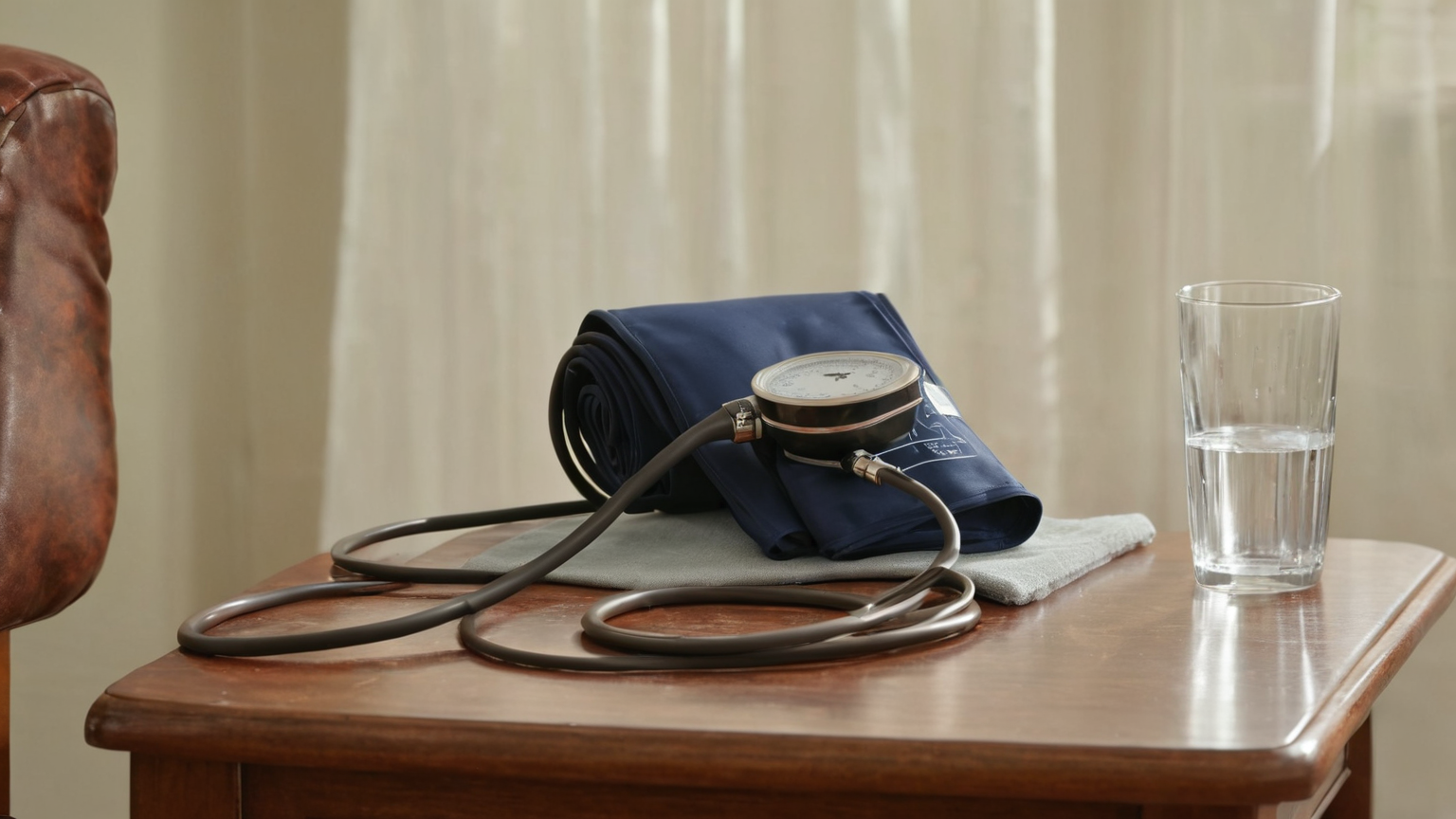
Choose a cuff that fits your upper arm, not just your budget or a smart-phone promise. Wrist monitors can be more sensitive to position, so many people get more repeatable results from validated upper-arm devices. Keep the box, cuff-size information, batteries, and manual together. If readings never match clinic readings, bring the monitor to an appointment and ask whether technique, cuff size, rhythm issues, or device limitations could be involved.
Taking the reading
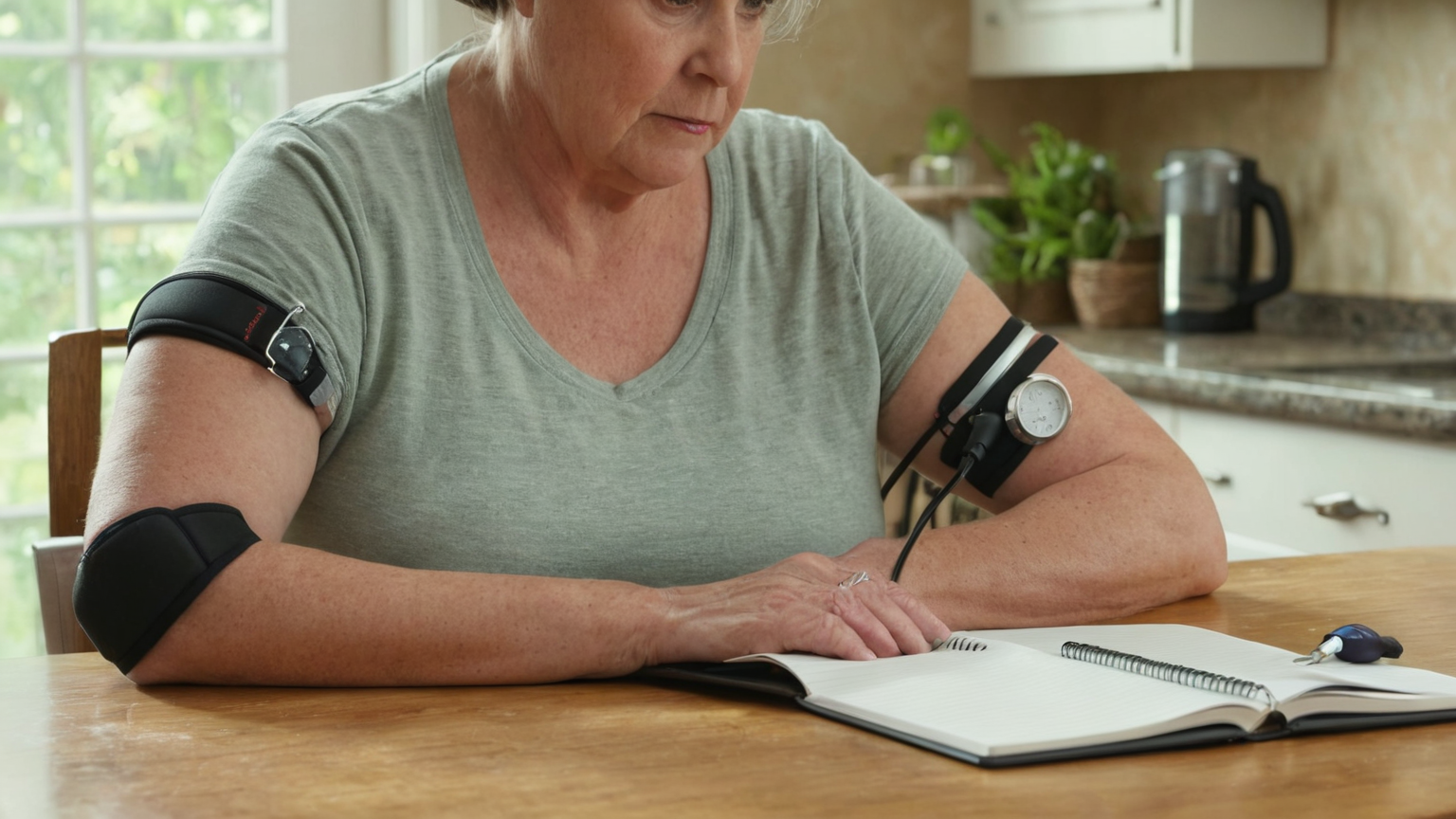
Sit with your back supported, feet on the floor, and arm resting near heart level. Do not talk through the measurement. If you just exercised, carried groceries, used nicotine, drank caffeine, or felt stressed, note that context instead of pretending the number is neutral. A useful log tells the story around the number.
Log patterns, not drama
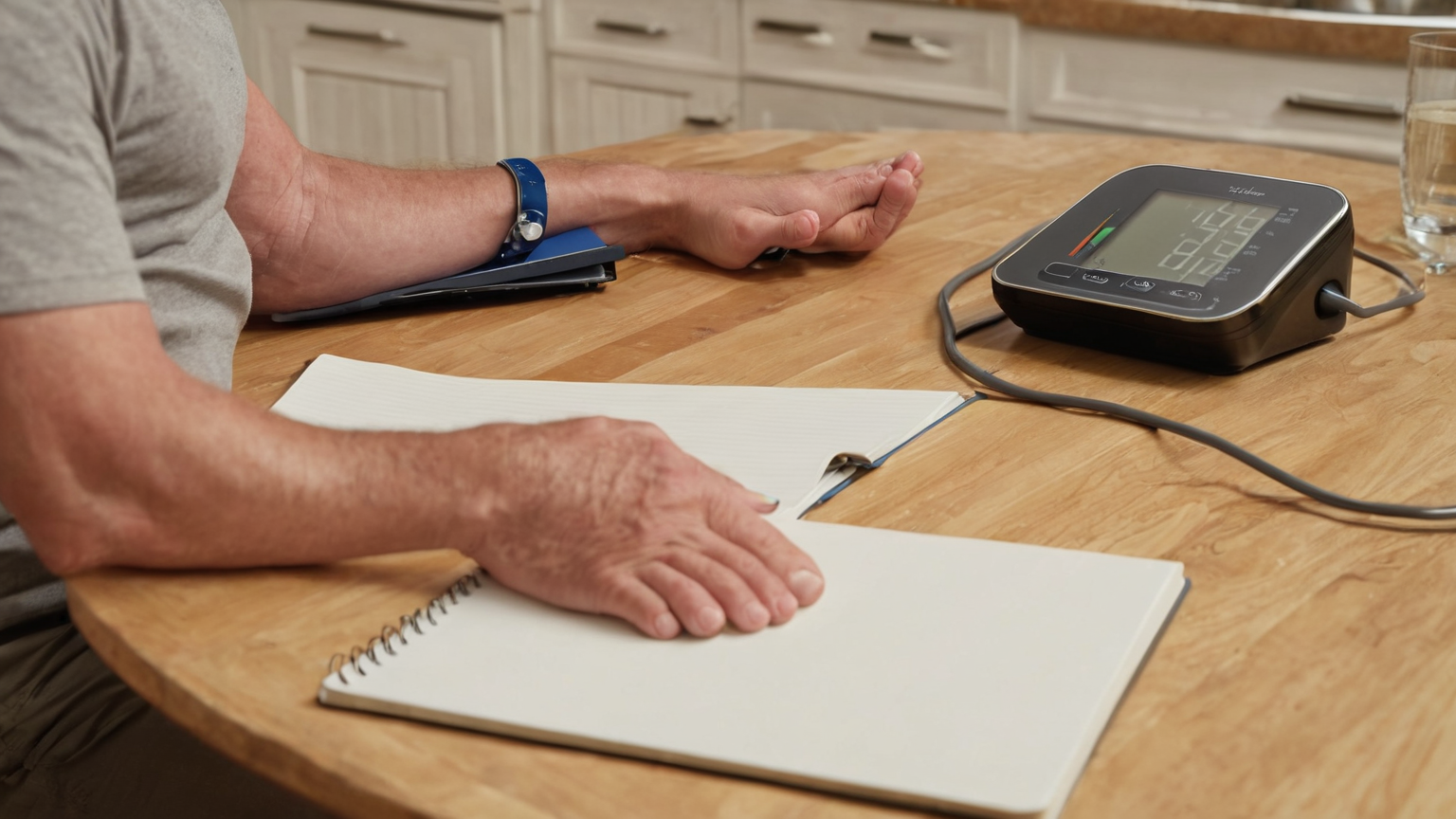
Write down date, time, arm used, reading, pulse if shown, medication timing if relevant, and anything unusual. Weekly averages and repeated patterns are usually more actionable than one lonely spike. Do not change prescribed medication because one home reading looks better or worse; use the log to support a care-team discussion.

When the number needs action
If you have symptoms such as chest pain, severe headache, weakness, confusion, shortness of breath, fainting, or neurological symptoms, treat that as a medical situation rather than a spreadsheet problem. If your clinician gave you thresholds, follow them. If you have no plan, ask for one before the next stressful reading.
Lifestyle context without blame
Blood pressure is influenced by sleep, sodium, alcohol, activity, stress, medications, pain, and chronic conditions. The point of monitoring is not to shame yourself; it is to notice which changes are realistic and which patterns need clinical support. A practical plan might pair morning readings with walking, medication adherence, meal planning, and follow-up appointments.
Seven-day starter checklist
- Confirm cuff size and batteries.
- Pick a consistent morning or evening window.
- Sit quietly before measuring.
- Record two readings if your care team recommends repeats.
- Note symptoms and context.
- Avoid changing medication without guidance.
- Send the summarized pattern, not a pile of screenshots, to your clinician.
What to bring to a clinician visit
A useful home log is short enough to interpret. Bring one or two weeks of readings, the cuff model, cuff size, the arm used, medication timing if relevant, and notes about symptoms or unusual context. Do not bring only screenshots with no pattern. A clinician can compare your home device with an office reading, decide whether technique is distorting results, and tell you which thresholds matter for your specific history.
Common mistakes that make readings less useful
- Measuring immediately after stairs, caffeine, nicotine, exercise, or a stressful call and treating the number as baseline.
- Using a cuff that does not fit the upper arm, then blaming the body instead of the equipment.
- Rechecking repeatedly until anxiety or relief picks the number you wanted.
- Changing prescribed medication because one reading looked better or worse.
- Hiding symptoms in a spreadsheet instead of following the care plan.
Sample log format
| Date and time | Reading | Context | What to do next |
|---|---|---|---|
| Monday morning | Record exactly as shown | Before caffeine, seated quietly | Continue the planned schedule |
| Evening after stress | Record with a stress note | Argument, poor sleep, late meal | Do not over-interpret one spike |
| Repeated high pattern | Summarize the pattern | Same arm, same method | Contact the care team according to your plan |
| Reading plus symptoms | Do not wait for a weekly average | Chest pain, weakness, confusion, fainting, or severe shortness of breath | Use urgent or emergency guidance |
How this helps without becoming obsessive
The routine is designed to reduce noise, not increase checking. A consistent method makes the log easier to interpret and can reduce the urge to chase perfect numbers. If measuring creates panic, ask your clinician how often to measure, what threshold matters for you, and what action belongs with each range.
FAQ
Should I measure many times until I like the number?
No. Repeated anxious checking can make the routine less useful. Follow a planned schedule unless your clinician tells you otherwise.
Is a smart cuff automatically better?
Only if the cuff fits, technique is good, and the data export helps your clinician. Convenience cannot fix poor measurement habits.
What is the bottom line?
Make home readings calm, consistent, documented, and connected to care. The best monitor is the one you use correctly and discuss responsibly.
Home reading decision table
| Situation | Better choice | Avoid this |
|---|---|---|
| First week with a monitor | Take readings at consistent times and record context | Reacting to one isolated number |
| Cuff fit is uncertain | Check arm size and manual instructions | Using a cuff that is too small or loose |
| Reading is unexpectedly high | Rest, repeat as directed, and follow clinician instructions | Panic-searching and changing medication yourself |
| Symptoms such as chest pain, weakness, severe headache, or trouble breathing appear | Seek urgent medical help | Treating symptoms as a routine home reading issue |
| Readings vary by time of day | Share the log with a clinician | Hiding inconvenient readings |
A calm seven-day logging routine
Choose a quiet location, sit with back supported, feet on the floor, and arm supported at heart level. Avoid measuring immediately after caffeine, exercise, nicotine, stress, or rushing when possible. Take readings at the same times for several days, write down context, and bring the pattern to a clinician. The value of home monitoring is the trend, not the emotional reaction to one screen.
A good log includes date, time, reading, pulse if shown, cuff arm, medication timing if relevant, exercise or caffeine context, and symptoms. It does not require complicated spreadsheets. A simple notebook is often enough if the entries are consistent and honest.
Who should be more cautious
People with diagnosed hypertension, pregnancy, kidney disease, heart disease, diabetes, fainting, medication changes, or very high readings need clinician-specific thresholds. Home monitoring can support care, but it should not replace medical diagnosis or medication guidance. If emergency symptoms appear, the next step is urgent care, not another blog checklist.
Source interpretation note
Public health and clinical resources emphasize accurate technique, validated cuffs, repeated readings, and professional interpretation. This article is a routine-building guide for more useful home readings, not a treatment plan or a substitute for clinician advice.
Common mistakes to avoid
The most common mistake is measuring only when anxious. That creates a log full of stressful moments and makes the pattern harder to interpret. A calmer routine measures at agreed times, records context, and avoids repeated checks unless a clinician has instructed it. More readings are not always better if they increase anxiety and reduce consistency.
Another mistake is treating device memory as a complete health record. A monitor may store numbers, but it may not store cuff position, rest time, caffeine, exercise, medication timing, or symptoms. Those details help a clinician decide whether a number reflects technique, timing, or a pattern that needs attention.
Example log format
| Field | Example entry | Why it matters |
|---|---|---|
| Time and date | 7:15 a.m., seated | Makes patterns comparable |
| Reading and pulse | Written exactly as shown | Avoids memory edits |
| Context | Before coffee, after five minutes rest | Explains variation |
| Symptoms | None, headache, dizziness, chest pain | Changes urgency and interpretation |
| Notes for clinician | New medication, missed dose, poor sleep | Adds decision context |
Final measurement script
Before pressing start, say: “I am collecting a useful pattern, not judging my health from one number.” Sit quietly, support the arm, record the result, and stop the measurement routine unless your clinician has told you to repeat it. This prevents home monitoring from becoming an anxiety loop. Bring the monitor to an appointment if readings seem inconsistent; comparing technique and cuff fit can be more useful than buying another device immediately. The goal is a clean record that helps care decisions, not a perfect-looking notebook.