Protein Timing for Muscle and Longevity 2026: What Actually Matters
Evidence-based guide to daily protein targets, meal timing, leucine thresholds, older adults, training recovery, and supplement decisions.

This article is for general education only and is not medical advice. Stop exercise and seek qualified care for chest pain, fainting, severe shortness of breath, neurological symptoms, uncontrolled blood pressure, recent surgery concerns, pregnancy-related concerns, or symptoms that worsen instead of improving.
Evidence and boundary review
BodyWise Lab articles cite primary sources, show update dates, and separate practical routines from clinical decisions. Source-checking is an editorial process, not a personal medical endorsement.
Protein advice often sounds more precise than the evidence allows: drink a shake within 30 minutes, eat six meals, avoid protein at night, or choose one magic amino acid. The better 2026 answer is more practical. Total daily protein is the foundation. Strength training is the signal that tells the body to use it. Meal timing is a lever that helps when schedules, appetite, age, or recovery demands make the foundation harder to hit.
This guide is for active adults, older adults trying to preserve strength, and busy people who want a plan that works without tracking every gram forever. It is not medical nutrition therapy. People with kidney disease, advanced liver disease, eating disorders, pregnancy-specific needs, or complex medical conditions should work with a clinician or registered dietitian.
1. Start With the Daily Target
The Recommended Dietary Allowance is designed to prevent deficiency, not necessarily to optimize muscle gain, athletic recovery, or age-related muscle preservation. Active adults commonly do better with a higher range, especially when dieting, lifting, or aging. A practical target for many healthy adults is roughly 1.2 to 1.6 grams per kilogram of body weight per day. Serious lifters in a calorie deficit may use the higher end or slightly above it under professional guidance.
The point is not to chase a heroic number. The point is to avoid the common pattern: low-protein breakfast, light lunch, and a large dinner that still leaves the day short. If your daily total is low, timing tricks will not fix it.

2. Understand the Leucine Threshold Without Obsessing Over It
Leucine is an essential amino acid that helps trigger muscle protein synthesis. That is why whey, dairy, eggs, meat, fish, and soy are often discussed in muscle-building research. But the practical lesson is simple: tiny protein snacks are not the same as meaningful protein meals.
For many adults, a meal with about 25 to 40 grams of high-quality protein is enough to create a useful signal. Smaller people may need less; larger athletes and older adults may benefit from the higher end. Plant-forward meals can work well, but they often need larger portions or complementary sources because some plant proteins are less concentrated or lower in particular essential amino acids.
3. Meal Distribution Beats Constant Grazing
You do not need to eat protein every two hours. A sustainable pattern is three or four protein “anchors” per day. Breakfast might be Greek yogurt with fruit and nuts, eggs with beans, tofu scramble, or a smoothie with milk or soy milk. Lunch might include chicken, tuna, lentils, tempeh, cottage cheese, or a bean-and-grain bowl. Dinner can be fish, lean meat, soy, legumes, or dairy. A snack can help if appetite or schedule makes meals uneven.
Distribution matters most for people who routinely under-eat protein early in the day. Older adults also benefit because aging muscle can be less responsive to small doses. A day with 30 grams at breakfast, 35 at lunch, and 35 at dinner is usually more useful than 10 at breakfast, 15 at lunch, and 75 at dinner.
4. The Post-Workout Window Is Wider Than Social Media Claims
If you ate a mixed meal containing protein a few hours before training, you do not need to sprint to a shaker bottle. Muscle protein synthesis remains elevated after resistance training, and the body can use amino acids from meals before and after the session. The post-workout meal matters, but the window is usually measured in hours, not minutes.
There are exceptions. If you train fasted early in the morning, have two sessions in one day, are in a calorie deficit, or struggle to meet daily protein, a convenient shake or meal soon after training is useful. The habit is not wrong; the panic is unnecessary.
5. Protein Before Bed Can Help Some People
Pre-sleep protein is not magic, but it can solve a real scheduling problem. If dinner is early or daily protein is short, a slow-digesting protein such as Greek yogurt, cottage cheese, milk, soy yogurt, or a casein shake can add a useful dose without a heavy meal. For lifters, it may support overnight muscle protein synthesis. For older adults, it can help distribute intake.
The tradeoff is sleep quality and digestion. A huge late meal, too much fluid, or reflux-triggering foods can backfire. Keep the portion moderate and choose foods that sit well.
6. Protein During Fat Loss Protects Lean Mass
When calories drop, the body has less energy available for training and recovery. Higher protein plus resistance training helps protect lean mass during weight loss. This is especially important for people who have dieted repeatedly, older adults, and anyone using appetite-suppressing medication under medical supervision.
Protein is not a free pass to crash diet. Severe calorie deficits, poor sleep, and excessive cardio can still reduce performance and increase injury risk. The best fat-loss plan preserves strength in the gym while body weight changes slowly enough to maintain daily life.
7. Whole Foods First, Supplements Second
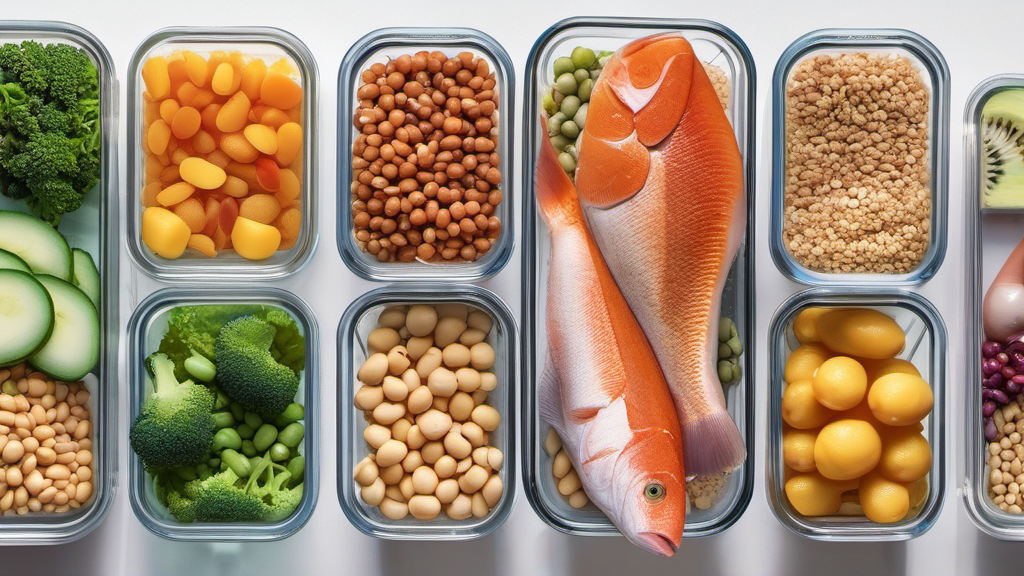
Protein powders are tools. They are useful when breakfast is rushed, appetite is low, travel is chaotic, or a high-protein meal would be inconvenient. Whey is popular because it is leucine-rich, mixes easily, and is usually cost-effective. Plant blends can work well for people avoiding dairy. The quality check is third-party testing, clear ingredient lists, and tolerable digestion.
Whole foods bring other benefits: iron, zinc, calcium, omega-3 fats, fiber, potassium, and food satisfaction. A protein plan built entirely from shakes is easy to abandon. A plan built from meals plus occasional supplements is more resilient.
8. Older Adults Should Treat Protein as Function Insurance
Age-related muscle loss is not just about appearance. It affects balance, glucose control, independence, fall risk, and recovery from illness. Older adults often eat less because appetite falls, chewing becomes harder, medications affect taste, or cooking for one feels burdensome. That makes protein distribution especially important.
A practical approach is to put a protein anchor at breakfast and lunch rather than hoping dinner solves everything. Soft options such as yogurt, eggs, fish, tofu, cottage cheese, soups with beans, and smoothies can help when chewing or appetite is limited. Strength training, even at beginner levels, makes the nutrition more effective.
9. The Simple Weekly Plan
Use this template before buying anything:
- Pick a daily protein range based on body size and goals.
- Build three meals with meaningful protein portions.
- Add one snack only if the meals do not meet the target.
- Put protein near training, but do not panic over minutes.
- Use a shake when convenience is the barrier, not because it is superior.
- Reassess after four weeks using strength, energy, digestion, and adherence.
10. What Changes After 40, 50, and 60?
The strategy becomes more important with age because missed protein opportunities become harder to recover from at dinner. A younger lifter who eats lightly at breakfast may still build a high-protein day with lunch, dinner, and a late snack. An older adult with lower appetite, slower digestion, or a smaller calorie budget often cannot comfortably make up the deficit in one sitting. That is why breakfast and lunch deserve more attention.
The first practical target is a protein-rich first meal. Greek yogurt with fruit, eggs plus toast, tofu scramble, a smoothie with milk or soy milk, or leftovers from dinner all work. The second target is a reliable lunch anchor: chicken, fish, beans plus grains, tempeh, cottage cheese, or a protein-forward soup. The third target is dinner with enough protein but not so much that it replaces vegetables, carbohydrates, and fats needed for training energy and health.
For older adults, resistance training and protein timing should be treated as a pair. Protein without muscle stimulus is less useful; training without adequate protein leaves adaptation underfunded. Two to four weekly strength sessions, progressive but joint-friendly loading, and a protein dose after training create a simple system that supports strength, balance, and independence.
11. Plant-Based and Mixed-Diet Timing
Plant-based athletes can use the same timing framework, but they need to pay closer attention to protein quality and total dose. Soy foods, pea protein, seitan, lentils with grains, beans with rice, and mixed plant protein powders can all contribute. Because some plant proteins are lower in one or more essential amino acids or less digestible than dairy, egg, or meat proteins, a slightly larger serving or mixed-source meal is often sensible.
The goal is not to force every meal to look like a bodybuilding plate. It is to make each eating occasion meaningful. A plant-based breakfast might combine soy milk, oats, peanut butter, and protein powder. Lunch might use lentils, quinoa, and tofu. Dinner might pair tempeh with noodles and vegetables. The pattern matters more than any single food.
Bottom Line
Protein timing matters, but it is a second-order decision. Hit an appropriate daily total, train consistently, sleep enough, and distribute protein so each meal does real work. Once those basics are stable, timing around workouts or bedtime can refine recovery without turning food into a stopwatch project.