Exercising in Summer Heat: A Safer Hydration and Cooldown Plan
A practical 2026 heat-safety routine for outdoor workouts, hydration, warning signs, cooldowns, and when to stop exercising.
This article is for general education only and is not medical advice. Stop exercise and seek qualified care for chest pain, fainting, severe shortness of breath, neurological symptoms, uncontrolled blood pressure, recent surgery concerns, pregnancy-related concerns, or symptoms that worsen instead of improving.
Evidence and boundary review
BodyWise Lab articles cite primary sources, show update dates, and separate practical routines from clinical decisions. Source-checking is an editorial process, not a personal medical endorsement.
Hot-weather workouts can be healthy, but heat changes the margin for error. This guide was checked on 2026-05-31 against CDC, NWS, OSHA, NIOSH, and MedlinePlus heat resources. It is not medical advice; it is a routine for deciding when to modify, shorten, move indoors, or stop an outdoor session.
Heat workout decision table
| Signal | Safer choice | Why it matters |
|---|---|---|
| Heat alert, high humidity, poor sleep, illness | Move indoors or shorten | Heat tolerance drops before you feel dramatic symptoms |
| New medication or chronic condition | Ask a clinician about heat plans | Some conditions and medicines change fluid or temperature regulation |
| Dizziness, confusion, faintness, severe cramps | Stop and cool down; seek help if severe | Pushing through can become an emergency |
| Long event or group workout | Plan shade, water, exit points | The best safety plan is made before symptoms |

Build the plan before you lace up
Check the forecast, heat alerts, humidity, route shade, and how you feel. Schedule harder work early or indoors. Tell someone your route for long sessions. Carry water, but do not treat hydration as a magic shield; cooling, pacing, clothing, and stopping early matter too.
This section is intentionally practical: it turns summer heat exercise safety into an observable routine instead of a vague intention. Start with the condition you can verify today: heat index, humidity, shade, session length, recent illness, medication changes, and how well you slept. Then choose the smallest safe adjustment: earlier timing, lower intensity, shorter loops, indoor alternatives, or a rest day. The goal is not to buy more gear; it is to reduce avoidable heat risk with repeatable habits, documented checks, and clear stop points.
Use effort, not ego
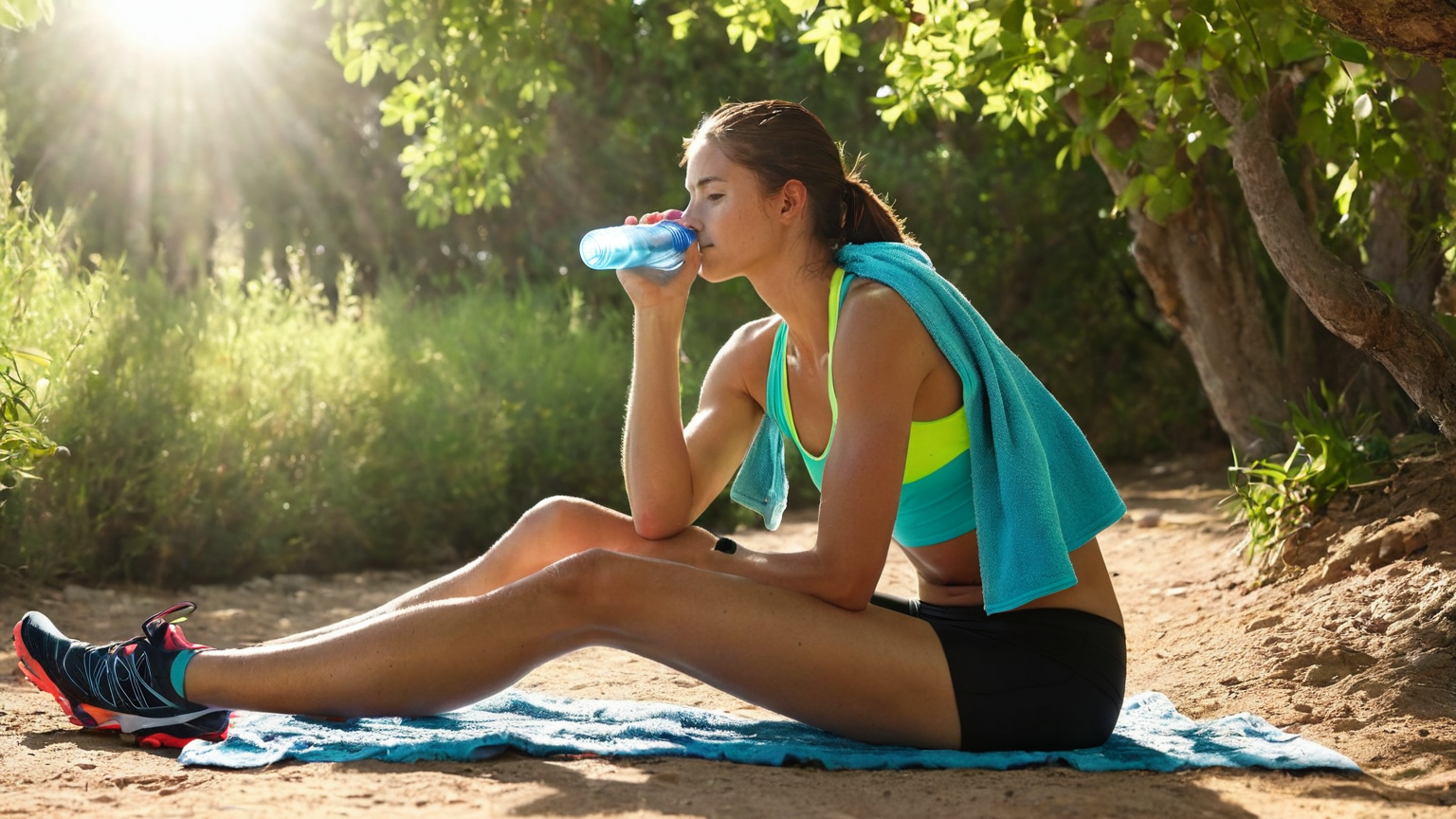
On hot days, pace should feel easier than the same workout in mild weather. Walk intervals, shorter loops, and shaded routes are not failures. They are controls. If you train with a watch, avoid chasing last month’s pace when conditions have changed.
Hydration with boundaries
Start hydrated, drink during longer sessions, and replace fluids after. For very long or sweaty exercise, sodium and food may matter, but people with blood pressure, kidney, heart, or medication concerns should individualize the plan with a clinician. Avoid alcohol around heat exposure.

Warning signs that end the workout
Stop for unusual dizziness, confusion, faintness, headache, nausea, weakness, severe cramps, stumbling, or hot skin with mental-status changes. Cool the person quickly, move to shade or air conditioning, and use emergency services when symptoms are severe or do not improve. Do not leave a confused person alone.
Practical checklist
- Pick a route with shade, water access, and bail-out points.
- Reduce intensity during heat alerts or after poor sleep, illness, or alcohol.
- Wear light breathable clothing; avoid heavy packs unless acclimated.
- Bring a phone, ID, and a way to cool down.
- Check on older adults, beginners, and people with chronic conditions.
A safer cooldown sequence
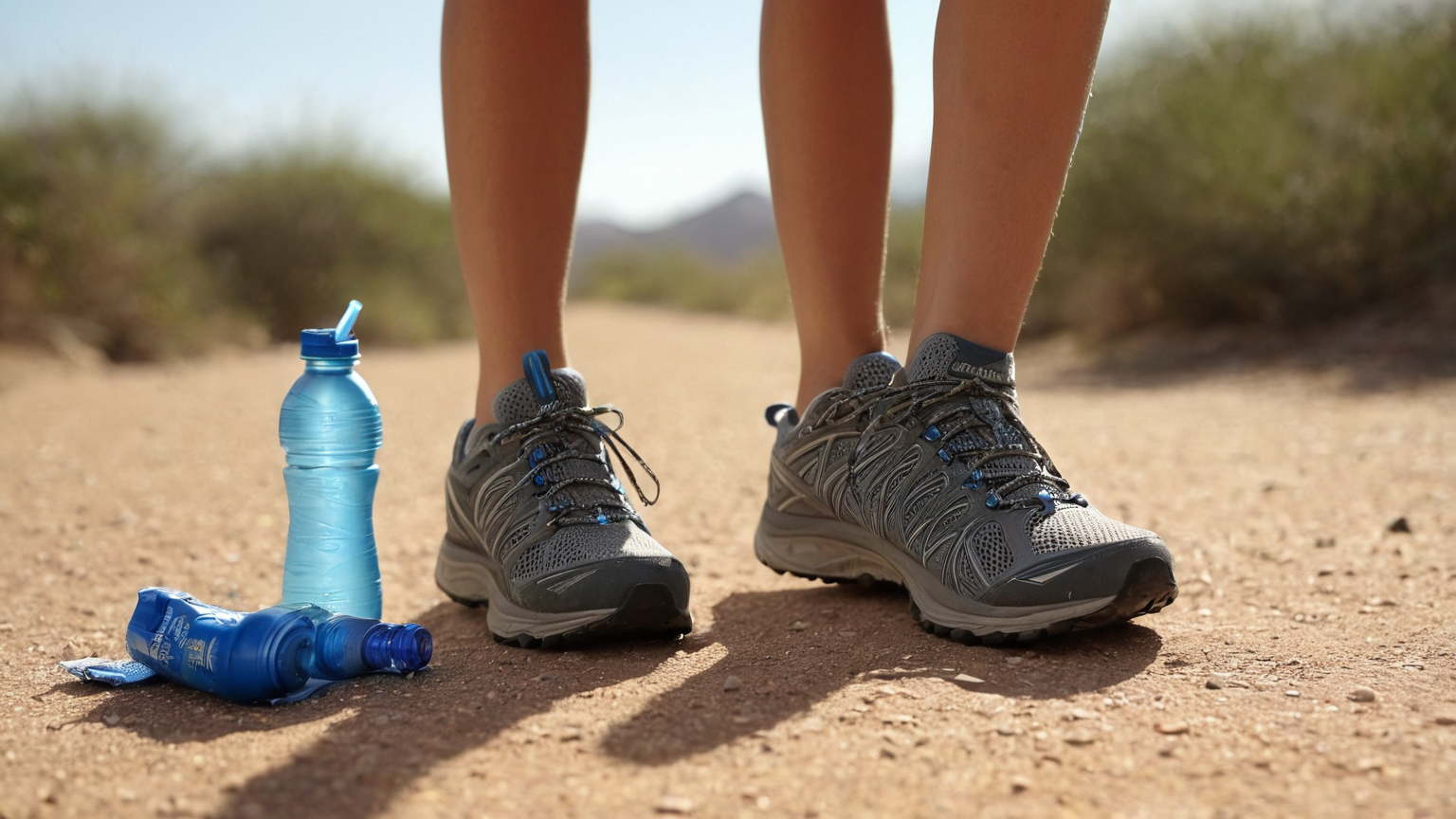
End the session before you feel desperate for shade. Walk or spin easily, move to a cooler place, loosen unnecessary layers, and drink according to thirst and your medical situation. If symptoms appeared during the workout, do not use the cooldown as proof that the session was safe; use it as evidence to make the next workout shorter, cooler, or indoors.
Higher-risk situations
Use a stricter plan for beginners, older adults, people with chronic conditions, people taking medications that affect fluid balance or temperature regulation, and anyone returning after illness. Group workouts need an exit plan because social pressure can keep people outside longer than they would choose alone. A heat plan is successful when it prevents the dramatic moment, not when it rescues one.
FAQ
Should I exercise outdoors during a heat advisory? Usually choose indoor or very low-intensity alternatives unless you have an expert-supervised reason.
Is thirst enough? Thirst helps, but it is not a full safety system. Match fluids with pacing, cooling, and conditions.
Heat-risk decision table
| Condition before training | Lower-risk choice | Stronger caution signal |
|---|---|---|
| Heat index is elevated but you feel normal | Shorten the session, choose shade, and reduce intensity | You are already dizzy, nauseated, or unusually fatigued |
| You are new to outdoor summer training | Start with 10 to 20 easy minutes and build gradually | Copying your cool-weather pace on day one |
| The workout is high intensity | Move it indoors or make it technique-only | Trying intervals during peak heat and humidity |
| You take medications that affect fluid balance, heart rate, or heat tolerance | Ask a clinician how to adjust training and fluids | Assuming thirst alone will manage risk |
| You had poor sleep, alcohol, illness, or dehydration | Rest, walk lightly, or train indoors | Treating sweat rate as proof of fitness |
A practical heat-modified session
Start with a route or room that gives you an exit. For an outdoor run, walk the first five minutes and check whether breathing, skin temperature, and attention feel normal. Keep the main block conversational. Replace hard intervals with strides, drills, or a shorter steady effort. End before you feel depleted, then cool down in shade or air conditioning. If you planned strength training, reduce total sets and avoid pairing heavy lower-body work with an overheated garage.
Hydration should be planned, not heroic. Begin the session normally hydrated, carry fluid when access is uncertain, and avoid using extreme water intake as a safety strategy. Very long or very sweaty sessions may require sodium and food, but short easy workouts often do not need sports-drink marketing.
Who should be more cautious
Older adults, children, pregnant people, people with cardiovascular, kidney, endocrine, or heat-illness history, and anyone taking medications that affect sweating, blood pressure, alertness, or fluid balance should use a more conservative threshold. This is especially important during the first hot week of the season, when heat acclimatization is not established.
Planning details that make the advice usable
Use loops instead of long out-and-back routes. A loop near home, a gym, a store, or a shaded park gives you more opportunities to stop early without turning a safety decision into a logistical problem. Tell yourself before the session what will end the workout: dizziness, confusion, nausea, chills, severe cramps, unusual weakness, or a pace that feels much harder than expected. These rules should be decided while you are calm, not while you are overheated.
Do not judge heat risk only by temperature. Humidity reduces cooling, direct sun adds load, dark pavement radiates heat, and wind can hide sweat loss. Recent illness, poor sleep, alcohol, travel, and medication changes also reduce the margin for error. A session that was easy last week may need to become a walk, indoor ride, or rest day this week.
Source interpretation note
Heat guidance from public-health and medical organizations is designed to prevent heat illness, not to maximize performance. This article applies that guidance to everyday exercise decisions: reduce intensity early, choose cooler environments, watch symptoms, and stop before a workout becomes a heat-stress test.
Reader safety checklist before publishing the plan to your calendar
Before you decide that an outdoor session is safe, answer five questions in writing or in a training app. First, what is the forecasted heat index or local heat warning for the exact time you plan to train? Second, where is the nearest shade, indoor space, or ride home if symptoms begin? Third, are you rested, recently ill, using alcohol, or taking a medication that could change heat tolerance? Fourth, what is the reduced version of the workout if conditions feel worse than expected? Fifth, who will notice if you do not return from a longer route?
These questions make the article more than a warning list. They turn heat guidance into a repeatable decision process. The safest summer athletes are not the ones who own the most bottles or cooling towels; they are the ones who make conservative choices early, before heat stress narrows judgment.
Example substitutions
| Original workout | Heat-adjusted version | Why it is safer |
|---|---|---|
| 45-minute tempo run | 25-minute easy shaded run | Reduces heat production and exposure time |
| Outdoor boot-camp circuit | Indoor technique circuit | Preserves movement without peak heat load |
| Heavy garage leg day | Shorter full-body session indoors | Avoids high effort in a hot enclosed space |
| Long group ride | Early loop with planned bailout | Limits social pressure to continue |
Final pre-session script
Say the plan out loud before starting: “If this feels harder than expected in the first ten minutes, I will shorten it.” That small script removes the need to negotiate with yourself while hot and tired. It also gives group members permission to make the same conservative call.
A final practical rule is to make tomorrow possible. If today’s heat choice would likely ruin sleep, appetite, hydration, or the next training day, it is not a good workout plan. Choose the version that lets you recover normally. The safest adjustment is usually boring: start earlier, go easier, shorten the loop, and stop before symptoms force the decision.