Summer Heat Walking and Workout Safety Plan
A 2026 heat-safety checklist for walking, running, and outdoor workouts without ignoring symptoms or local alerts.

This article is for general education only and is not medical advice. Stop exercise and seek qualified care for chest pain, fainting, severe shortness of breath, neurological symptoms, uncontrolled blood pressure, recent surgery concerns, pregnancy-related concerns, or symptoms that worsen instead of improving.
Evidence and boundary review
BodyWise Lab articles cite primary sources, show update dates, and separate practical routines from clinical decisions. Source-checking is an editorial process, not a personal medical endorsement.
Hot weather can make a healthy walking or running habit suddenly risky, especially when humidity, air quality, medication, poor sleep, or a long route removes your safety margin. This guide was checked on 2026-06-02 against CDC, NIOSH, OSHA, National Weather Service, EPA, AirNow, and asthma resources. It is not medical advice; it is a practical routine for deciding when to shorten, cool, move indoors, or cancel an outdoor workout.
Heat workout decision table
| Signal | Safer choice | Common mistake |
|---|---|---|
| Heat advisory, high humidity, or poor sleep | Move earlier, shorten, or go indoors | Treating yesterday’s pace as mandatory |
| Dizziness, confusion, nausea, chills, heavy weakness, or faintness | Stop, cool down, seek help if severe | Trying to “walk it off” |
| New medication, illness, alcohol use, or dehydration | Ask a clinician/pharmacist and reduce intensity | Assuming a usual route is still safe |
| Hot route with no shade or exit | Choose a shaded loop near home | Long out-and-back exposure |
| Heat plus smoke/ozone | Use the more conservative limit | Solving heat while ignoring air quality |
Begin with the forecast, then make a stop rule
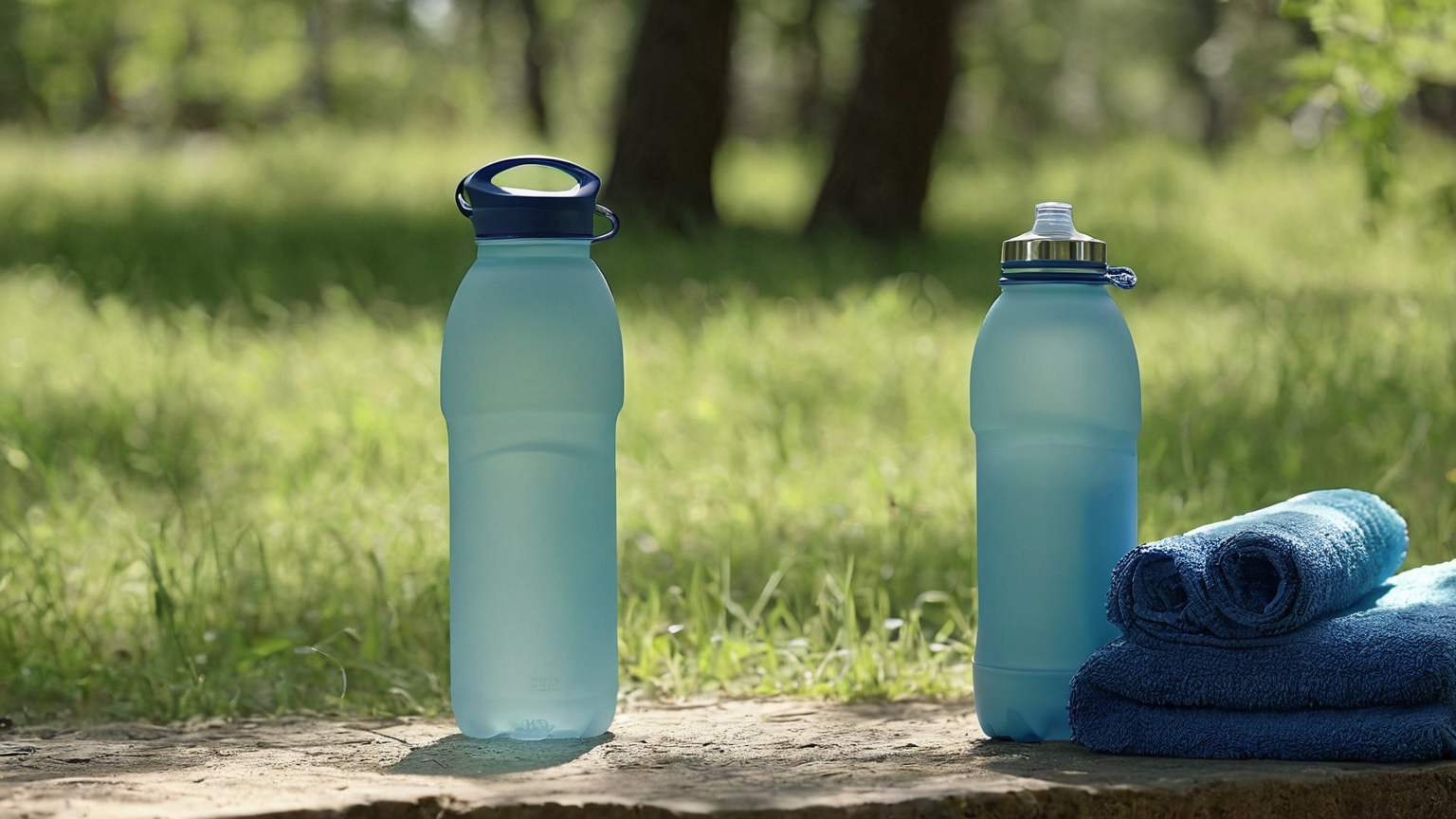
Check local heat alerts and the hourly forecast before leaving, not after you are already committed. The useful decision is not just temperature; humidity, direct sun, wind, route surface, shade, and your current health matter. Write a stop rule in plain language: if you feel dizzy, confused, unusually weak, nauseated, faint, or stop sweating normally, you stop, cool, and get help when symptoms are severe or do not improve.
The most useful version of this routine is intentionally conservative. For summer heat walking and workout safety, make the decision before you are tired, hot, hungry, rushed, or trying to justify a purchase. Write down the trigger that changes the plan, keep the relevant official source open, and choose the option that leaves the biggest margin for error. A good checklist should work on a messy weekday, not only during a perfect demonstration.
Move the workout before you try to tough it out
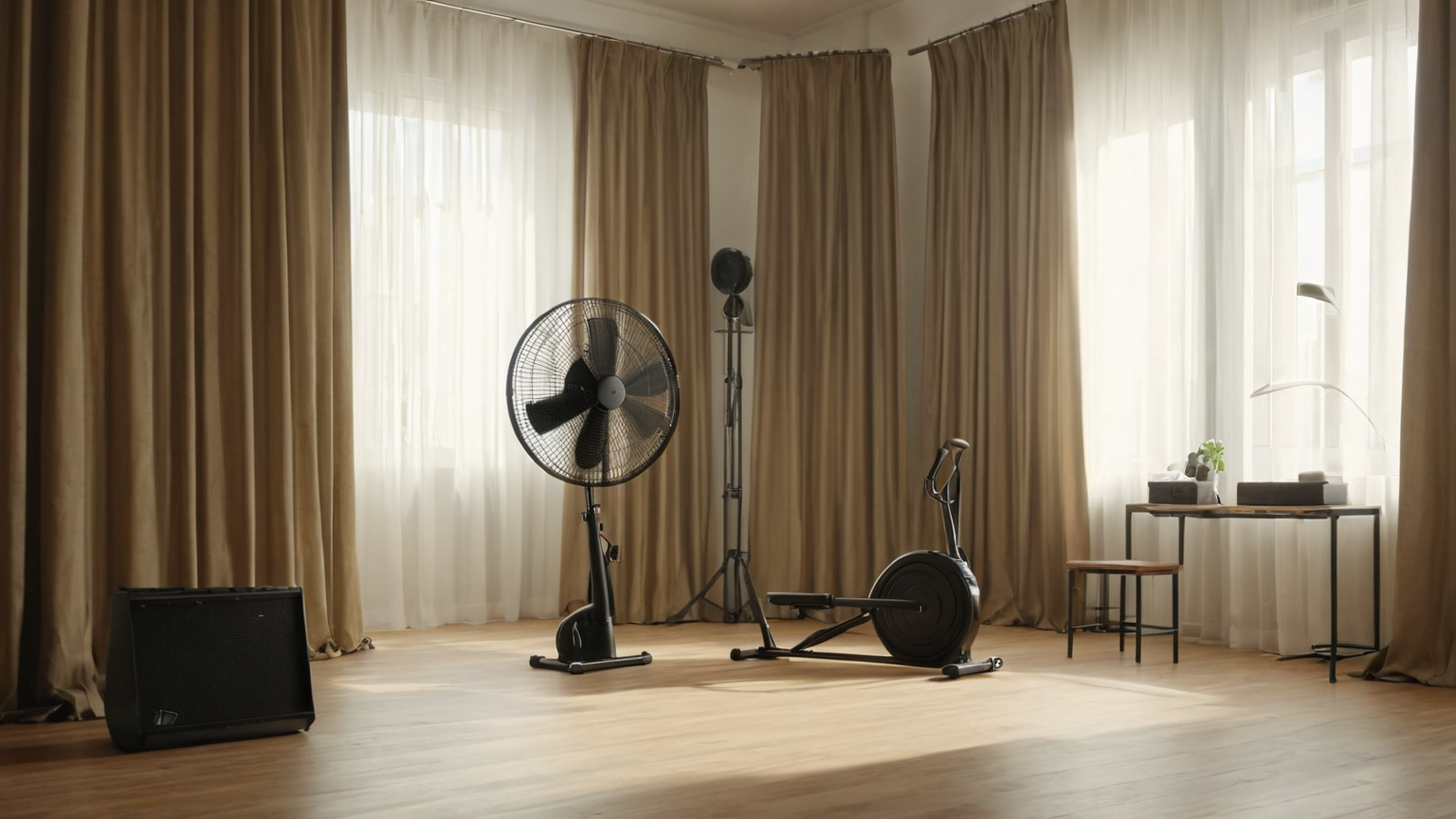
The safest adjustment is usually timing and intensity. Walk at dawn, pick shaded loops, carry water, wear breathable clothing, and lower pace before symptoms appear. If the heat index is high or alerts are active, substitute indoor mobility, light strength, a treadmill, or rest. Fitness is built by consistency; one overheated session can cost more than it gains.
Watch the hidden risk multipliers
People with heart or lung disease, asthma, pregnancy, older age, recent illness, poor sleep, heavy labor, or certain medications may have less margin. Alcohol, dehydration, a large meal, or a long exposed commute can also change the plan. Ask a clinician or pharmacist about medication-related heat concerns instead of guessing from internet summaries.
Make cooling practical, not decorative
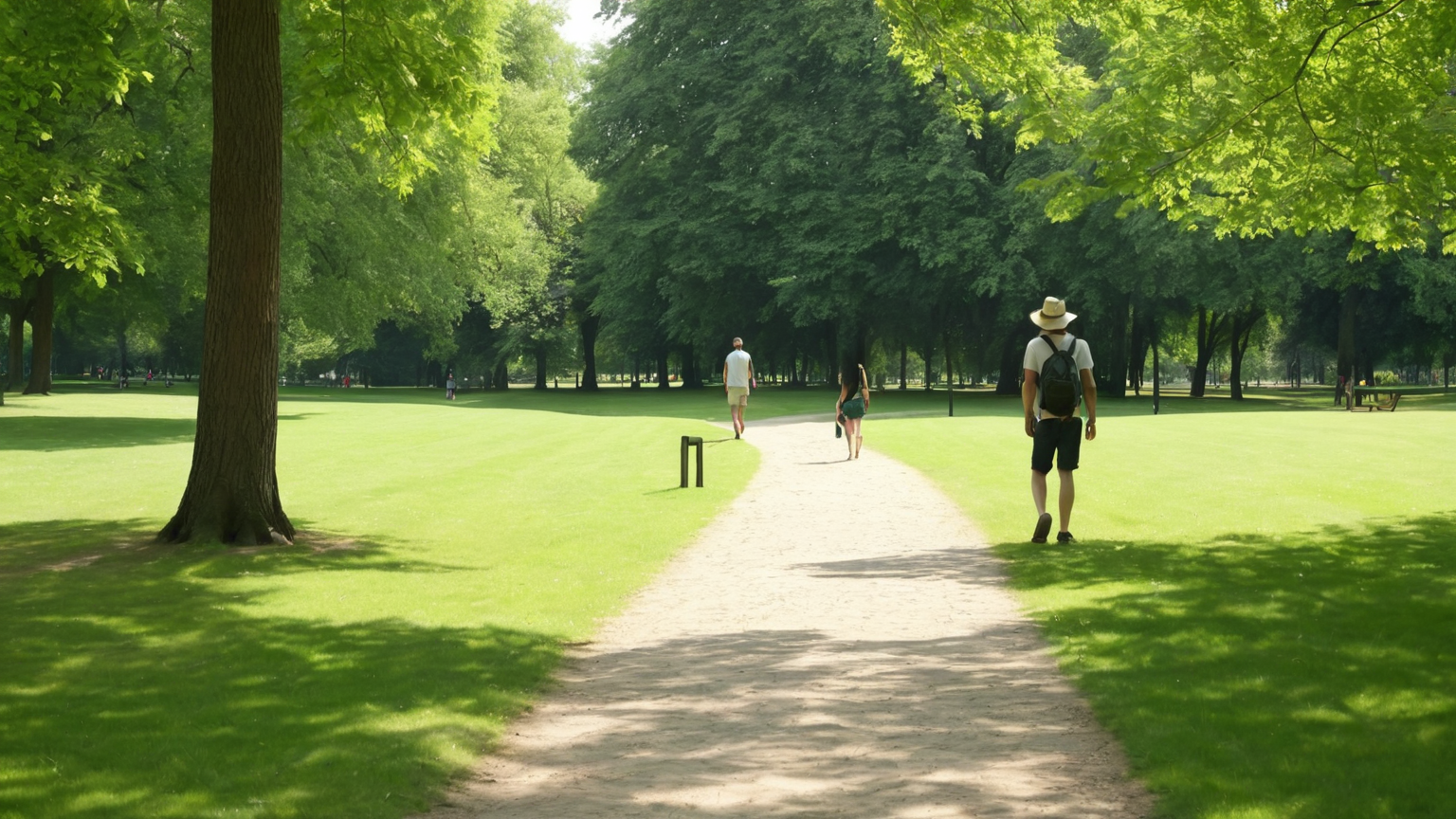
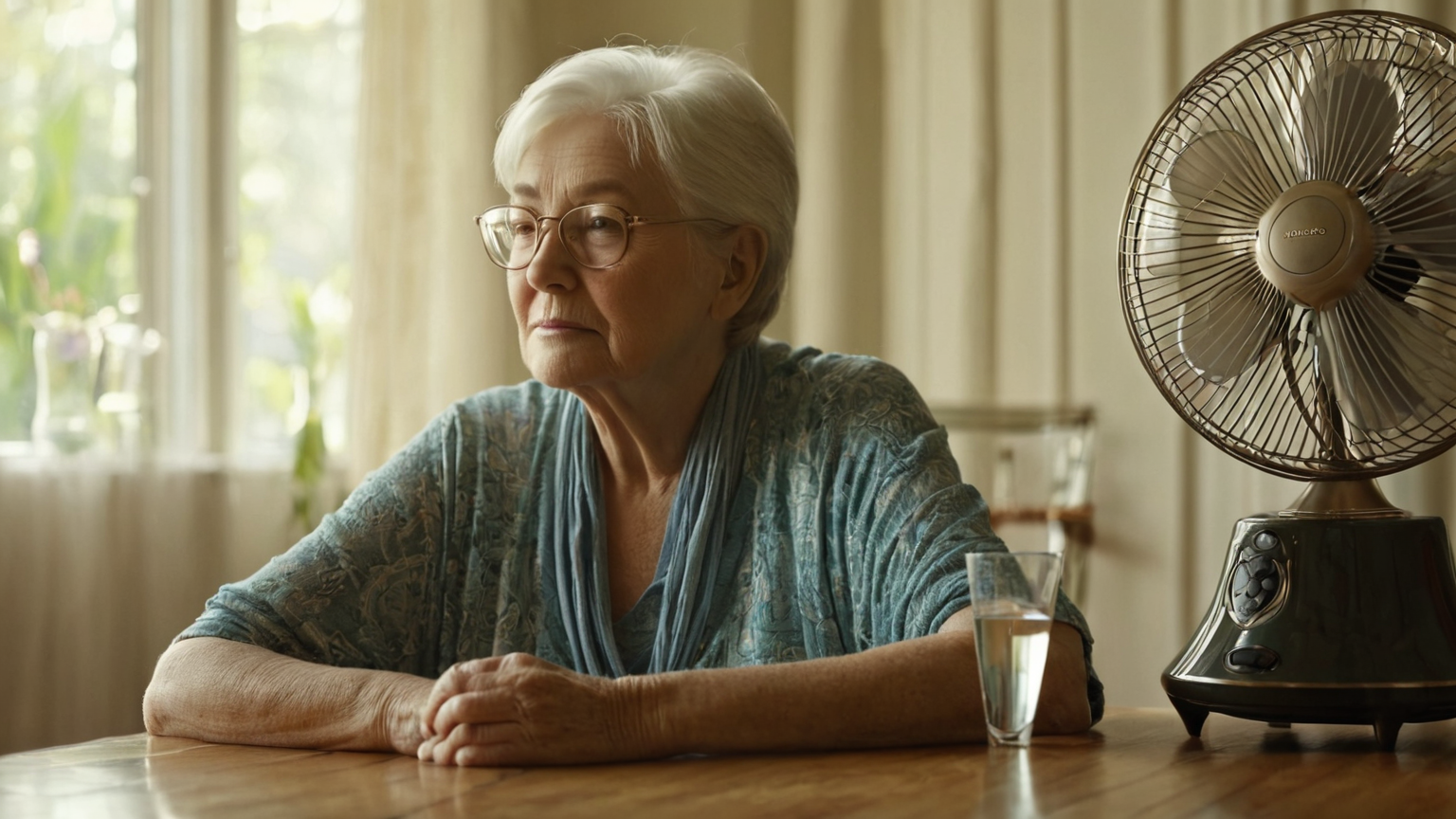
A water bottle in the car does not help halfway through a route. Carry water, know where shade and bathrooms are, use a short repeatable loop, and tell someone your plan if you are vulnerable. At home, close curtains early, use fans safely, and choose the coolest room for an indoor backup.
Combine heat and air-quality decisions
Heat and wildfire smoke or ozone can overlap. If AirNow or local alerts show poor air, do not solve heat by exercising hard in smoky air. Move indoors, reduce intensity, or rest. People with asthma or respiratory symptoms should be especially conservative.
Five-minute pre-walk checklist
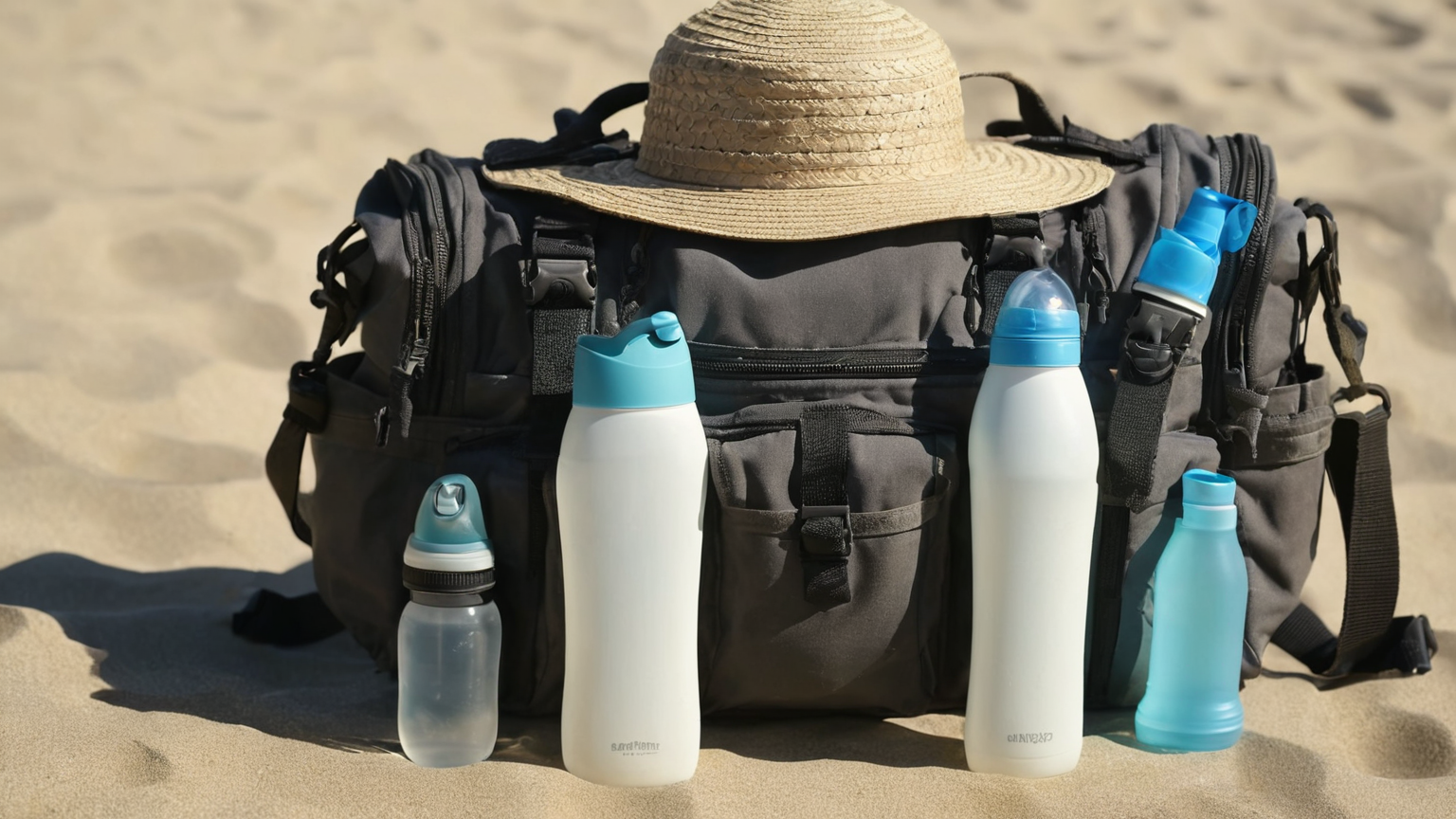
- Check heat alert, hourly temperature, humidity, and air quality.
- Choose a shaded route with quick exits rather than a long exposed path.
- Lower intensity before symptoms begin.
- Carry water and a phone, but do not rely on a phone screen as the only safety plan.
- Tell a partner the stop rule and route if you are at higher risk.
- Move indoors when symptoms, alerts, or poor air quality reduce the safety margin.
Example decision
A lunchtime 45-minute walk on a humid alert day becomes a 20-minute shaded morning loop or an indoor mobility session. If dizziness or unusual weakness appears, the workout ends. The goal is not heroic compliance; it is protecting tomorrow’s health.
FAQ summary
A heat-safe workout plan is simple: check official alerts, choose shade and timing, lower intensity early, respect symptoms, and keep an indoor option ready.
Four-week heat adaptation plan
Use this section as a practical bridge between “I know heat can be risky” and a routine you can actually follow. Week 1 should be deliberately boring: move the workout to morning or evening, keep effort at a conversational pace, shorten the main set by 20–30%, and write down three observations after each session: temperature or heat-index category, perceived effort, and how quickly your breathing returned to normal. If the same route suddenly feels harder, treat that as environmental load rather than a fitness failure.
In week 2, add time only when the previous week was uneventful. A conservative target is one small change at a time: either 5–10 more minutes, a modest hill, or a slightly warmer time window—not all three. People returning from illness, sleep loss, travel, or a medication change should repeat the previous week. Heat tolerance is not a permanent badge; it changes with hydration, acclimatization, air quality, and recovery.
Weeks 3 and 4 can reintroduce structured workouts, but keep the hard portions short and surrounded by shade or indoor recovery. For example, replace a continuous tempo run with 4–6 relaxed pickups and full easy walking between them. Strength circuits should use longer rest, fewer exercises per round, and no “finish at any cost” challenge. If dizziness, confusion, chills, nausea, pounding headache, or unusually stopped sweating appears, stop immediately, cool the body, and escalate help according to local emergency guidance.
Families and training partners should agree on a check-in rule before leaving: route, expected return time, cooling stop, and the exact condition that ends the workout. This turns heat safety from vague advice into a shared protocol.
Walking-specific heat decision table
| Walking plan | Safer adjustment | Warning pattern |
|---|---|---|
| Errand walk on hot pavement | Shorten the route and choose shaded sides of streets | Carrying heavy bags at peak heat |
| Fitness walk with a pace goal | Drop the pace target and use time-on-feet instead | Trying to match spring pace in summer humidity |
| Walk with children, older adults, or pets | Plan more stops and cooler surfaces | Assuming everyone tolerates heat the same way |
| New route | Check shade, water, bathrooms, and bailout options | Long out-and-back route with no exit |
| Symptoms appear | Stop, cool, hydrate appropriately, and get help if severe | Waiting until the planned mileage is complete |
A safer 30-minute hot-weather walk
Use the first five minutes as a heat check. Walk easily and ask whether your breathing, focus, and skin temperature feel normal. The middle 15 to 20 minutes should stay conversational and flexible; loop near home, a store, or a shaded park rather than committing to a long exposed route. Use the final five minutes to slow down before entering air conditioning, then cool gradually and drink according to thirst and personal medical guidance.
Footwear and pavement matter. Hot pavement can increase discomfort and risk for pets, and reflective concrete can add sun exposure. If the route is exposed, a shorter shaded walk repeated later is better than one long march through peak heat.
Who should be more cautious
Older adults, children, pregnant people, people with cardiovascular, kidney, endocrine, or heat-illness history, and people taking medications that affect heat tolerance should use a lower threshold for moving indoors. Dog owners should ask a veterinarian about heat and paw-surface risk rather than applying human walking rules to pets.
Make the route easier to abandon
A safe hot-weather walk should be easy to shorten. Choose a loop that passes home, a shaded store, a library, or a transit stop. Carry identification and a phone, but do not treat them as substitutes for route design. If you walk with another person, agree ahead of time that either person can end the walk without debate. Heat decisions get worse when pride, step goals, or social pressure take over.
For people using walking for weight management or blood pressure support, consistency matters more than one difficult session. Two short shaded walks, an indoor mall walk, or a low-intensity home mobility session can preserve the habit without the same heat load.
Source interpretation note
Heat-safety guidance is often written for athletes or workers, but walkers can also accumulate heat stress when humidity, pavement, sun, and medication factors combine. This article adapts public-health principles to ordinary walks and low-intensity workouts.
Reader safety checklist for walkers
Before leaving, identify the route, shade, water access, and bailout point. Check whether the walk includes errands, hills, reflective pavement, a stroller, a backpack, or a pet, because those details can raise heat load even when the pace is slow. Tell someone if you are walking a longer route in high heat, and carry identification if you walk alone.
During the walk, use a three-signal rule: effort should stay conversational, attention should stay clear, and symptoms should not trend worse. If one signal fails, shorten or pause. If two fail, stop and cool down. If confusion, faintness, chest symptoms, or severe weakness appears, treat it as urgent rather than a normal summer walk.
Example substitutions
| Original walk | Safer hot-weather version | Why it helps |
|---|---|---|
| 60-minute exposed loop | Two 20-minute shaded loops | Easier to stop and cool down |
| Errands on foot at midday | Early walk plus short car or transit errand | Separates fitness from peak heat load |
| Dog walk on pavement | Short shaded grass route after surface check | Reduces pet heat and paw risk |
| Pace-based fitness walk | Time-based easy walk | Removes pressure to match cool-weather speed |