Sun Protection Outdoor Workout Plan
A practical 2026 guide to sunscreen timing, shade, clothing, UV checks, heat overlap, symptom stop rules, and post-workout skin review.
This article is for general education only and is not medical advice. Stop exercise and seek qualified care for chest pain, fainting, severe shortness of breath, neurological symptoms, uncontrolled blood pressure, recent surgery concerns, pregnancy-related concerns, or symptoms that worsen instead of improving.
Evidence and boundary review
BodyWise Lab articles cite primary sources, show update dates, and separate practical routines from clinical decisions. Source-checking is an editorial process, not a personal medical endorsement.
Outdoor workouts need sun protection that survives sweat, timing, and changing routes. This guide was checked on 2026-06-05 against the listed official and authoritative sources. It is designed as a practical decision aid: confirm current conditions, choose the lower-risk option, document what you actually did, and stop before a rushed shortcut turns a small problem into a safety issue.
Quick decision table
| Situation | Safer choice | Mistake to avoid |
|---|---|---|
| High UV and long run | Move earlier, shorten, or use shaded route | Assuming clouds remove UV risk |
| Heavy sweat | Reapply by label directions | Treating morning application as all-day protection |
| Heat alert overlaps | Choose indoor or low-intensity option | Stacking sun exposure and heat strain |
| Repeated missed skin areas | Add clothing or route changes | Blaming willpower instead of setup |
1. Start with the non-negotiable rule
Do not treat sunscreen as the only protection; combine shade, clothing, timing, hydration, and symptom awareness, and avoid training decisions that ignore heat illness or skin-warning signs. A useful plan names the line you will not cross before the day becomes busy. That line may be a symptom stop rule, a tested-recipe rule, an evacuation trigger, or a product-label limit. Write it down, share it with the person affected, and make the safe option easier than the risky one.

2. Build the setup before you need it
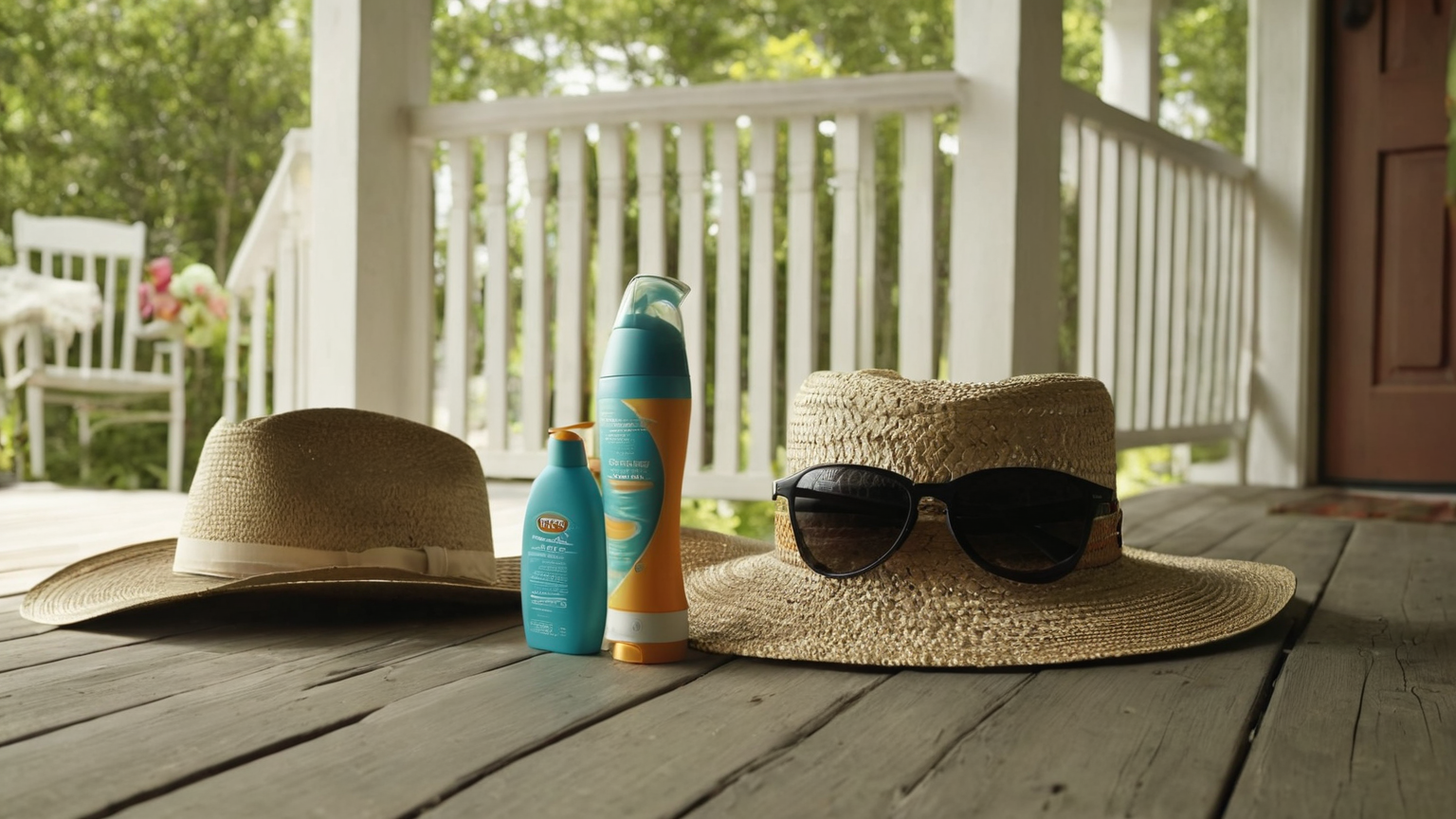
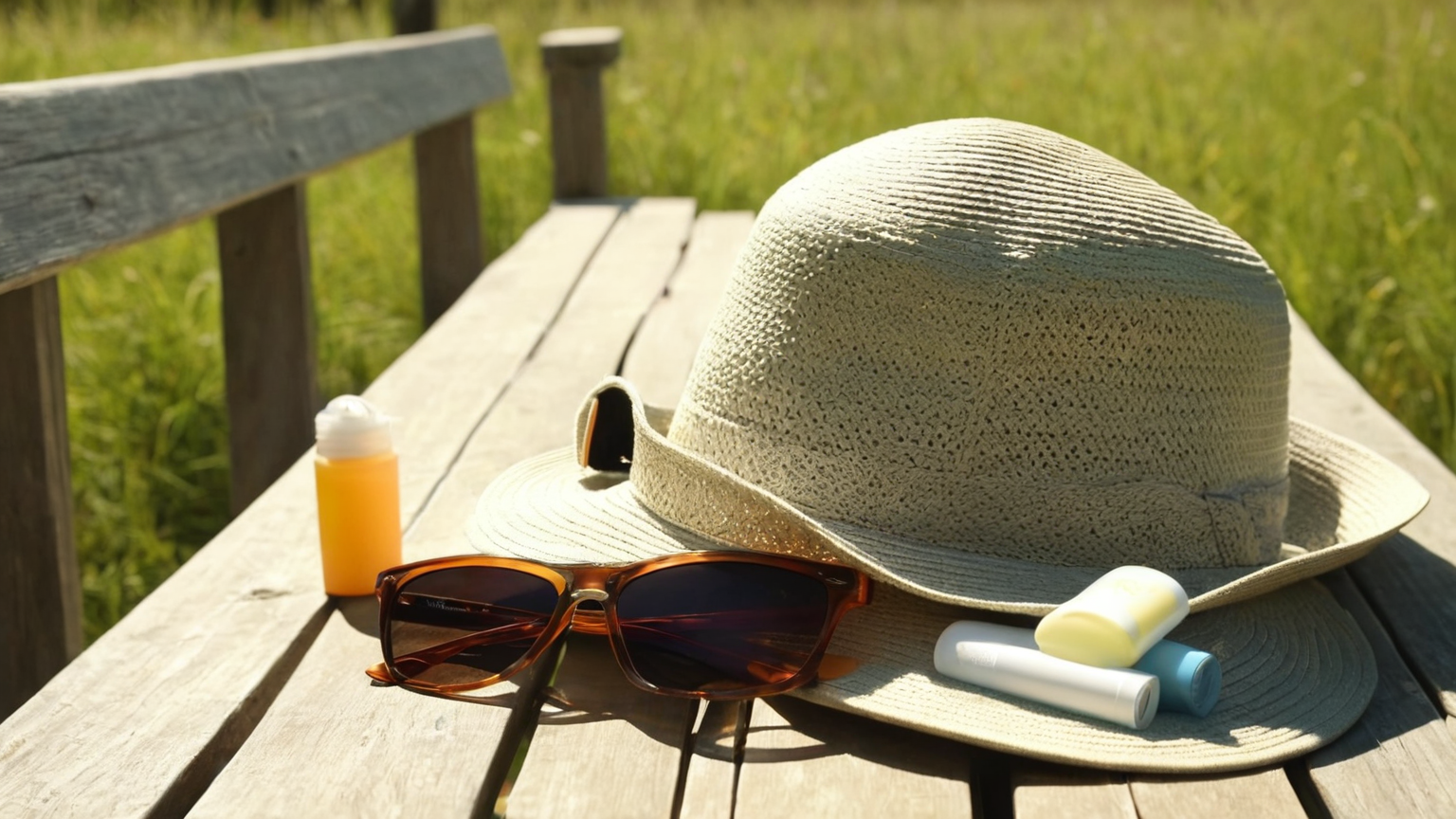
Create a route plan with shade options, a sunscreen reapplication point, protective clothing, sunglasses, a hat when practical, and a backup indoor workout for high UV or heat-alert days. Put the supplies, app links, contacts, and labels in the place where the decision happens. If the plan depends on memory, it will fail when heat, fatigue, hunger, traffic, or family logistics pile up. If the plan is visible and simple, it can protect you even on a messy day.
Use a two-minute rehearsal: open the official source, walk through the choice, and ask what would make you ignore it. Then remove that friction. Examples include keeping a blank thermometer probe clean and ready, saving an official alert page, placing sun protection by shoes, or keeping evacuation fuel above a preset level.
3. Use a checklist, not vibes
- Check the UV forecast and heat guidance before long outdoor sessions.
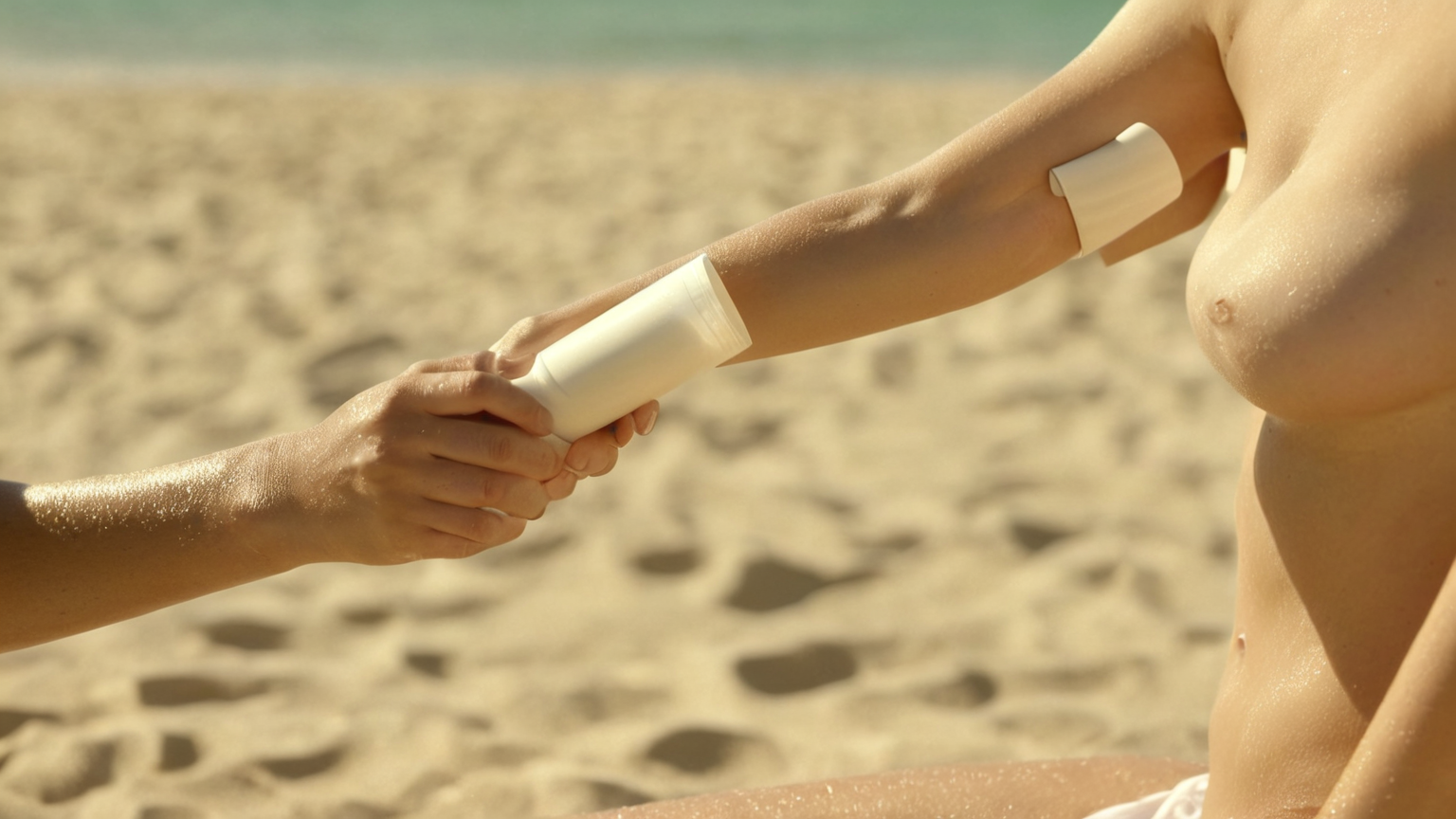
- Apply broad-spectrum sunscreen according to the product label before exposure.
- Reapply as directed, especially after sweating or towel drying.
- Prefer shade, protective clothing, and lower-UV times when practical.
- Stop for heat illness symptoms, severe sunburn, dizziness, confusion, or unusual weakness.
A checklist should be short enough to use and specific enough to catch errors. Put the highest-risk items first, then add a fallback. If one item fails, do not average it with the others. A single failed safety item is a reason to pause, change the plan, or get qualified help.
Common failure modes
| Failure mode | Why it happens | Repair |
|---|---|---|
| The source is old or local conditions changed | People rely on memory | Re-check the official page the same day |
| The setup is inconvenient | The safer action takes longer | Move the tool or supply to the decision point |
| A number is guessed | Labels, alerts, or temperatures are not verified | Use the current source or an actual measurement |
| The plan ignores vulnerable people | Generic advice misses medical, age, disability, pet, or housing constraints | Choose the stricter limit and ask for qualified help |
4. Decide what to document
After the workout, note whether you reapplied, where shade failed, whether clothing worked, and whether any skin area was missed repeatedly. Documentation does not need to be complicated. Record the date, condition checked, choice made, and anything you would change next time. That note helps you improve the system without pretending you will remember every detail a week later.

Final checklist
- Verify current UV and heat conditions.
- Pack sunscreen and physical protection before leaving.
- Choose a route with shade or indoor fallback.
- Reapply by label directions.
- Review skin and symptoms after the session.
FAQ summary
Sun protection for outdoor training works best as a layered system: current UV check, product-label use, shade, clothing, timing, and conservative heat decisions. The safest version is usually not the most dramatic version; it is the one you can repeat consistently while checking current official guidance and respecting personal limits.
Sun-protection decision table
| Workout situation | Better protection choice | Weak protection pattern |
|---|---|---|
| Long walk, run, or ride | Combine sunscreen, hat, sunglasses, and UPF clothing | Sunscreen only on the face, then two hours in direct sun |
| Sweaty interval session | Choose a sweat-resistant product and schedule reapplication | Applying once at home and forgetting towel-off loss |
| Midday route with little shade | Move earlier, later, or indoors when possible | Treating a cloudy sky as full protection |
| Skin is already burned or irritated | Rest from direct sun and protect the area | Training through additional exposure |
| You use photosensitizing medication or have skin-cancer history | Follow clinician-specific advice | Copying a generic outdoor plan |
A route-first protection plan
Start with the route, not the bottle. Pick shaded streets, parks with tree cover, or loops that let you return home for water and reapplication. Put sunscreen near shoes or keys so it becomes part of the departure checklist. For sessions longer than the label interval or sessions with heavy sweating, plan the reapplication point before you leave. A small towel, extra cap, or lightweight long sleeve may be more reliable than trying to perfectly coat every exposed area mid-run.
Sunglasses and brimmed hats matter because outdoor workouts often happen when attention is on pace, not exposure. Clothing coverage also reduces the burden on sunscreen. The best plan is the one you will repeat without turning every workout into a complicated skin-care project.
Who should be more cautious
People with prior skin cancer, high sun sensitivity, recent procedures, active sunburn, photosensitizing medications, or clinician instructions to limit UV exposure should use stricter thresholds. Children and teens also need adult planning because they may not notice exposure until after the workout or event is over.
Practical reapplication checkpoints
A useful outdoor plan names the reapplication moment. For a long walk, it might be the turnaround point. For a park workout, it might be after the warm-up and before the main circuit. For cycling or hiking, it may be a planned shade stop. If you cannot safely carry sunscreen or stop to reapply, shorten the exposure or choose more clothing coverage. The point is to remove guesswork when sweat, time, and distraction make the first application less reliable.
Also protect commonly missed areas: ears, back of neck, scalp part, backs of hands, and the area where sleeves or socks shift. If a product irritates eyes during sweaty workouts, test a different format during a short session rather than discovering the problem on a long exposed route.
Source interpretation note
Dermatology and public-health guidance generally emphasizes layered UV protection: shade, clothing, hats, sunglasses, and sunscreen used correctly. This article translates that guidance into exercise logistics. It is not a skin-cancer screening tool, and changing moles, persistent lesions, or severe burns need medical evaluation.
Reader safety checklist for outdoor training days
Use a simple departure checklist: UV conditions checked, sunscreen applied to exposed areas, protective clothing selected, sunglasses packed, reapplication point named, and shade or indoor alternative identified. If any item is missing, the solution is not always to cancel. Often it is enough to shorten the route, move the session earlier, choose a tree-covered path, or swap a long run for a short technique session.
Pay attention to cumulative exposure. A person who walks the dog, commutes on foot, eats lunch outside, and then runs after work may receive more sun than the workout alone suggests. Outdoor exercise planning should count the whole day, not just the training block. This is especially important for people who burn easily or who work outdoors.
Example substitutions
| Original plan | Sun-safer version | Why it helps |
|---|---|---|
| Noon long run | Early shaded easy run | Reduces direct UV and heat load |
| Sleeveless outdoor circuit | Lightweight UPF top plus shorter sets | Adds coverage without relying only on sunscreen |
| Open-road walk | Park loop with trees and water access | Makes reapplication and shade easier |
| Post-sunburn workout | Indoor mobility or rest | Avoids adding exposure to irritated skin |
Final pre-session script
Before leaving, say what will protect you if the session runs long: extra shade, extra coverage, a reapplication stop, or an earlier turnaround. A sun plan that depends on perfect timing fails easily; a plan with backup coverage is much more reliable.