Tick and Mosquito Bite Prevention for Outdoor Workouts
A 2026 practical checklist for runners, walkers, hikers, and yard-work days: repellents, clothing, route choices, tick checks, and symptom caveats.
This article is for general education only and is not medical advice. Stop exercise and seek qualified care for chest pain, fainting, severe shortness of breath, neurological symptoms, uncontrolled blood pressure, recent surgery concerns, pregnancy-related concerns, or symptoms that worsen instead of improving.
Evidence and boundary review
BodyWise Lab articles cite primary sources, show update dates, and separate practical routines from clinical decisions. Source-checking is an editorial process, not a personal medical endorsement.
Outdoor walks, runs, hikes, and yard workouts can be healthy while still needing a bite-prevention routine. This guide was checked on 2026-06-03 against CDC and EPA resources. It focuses on practical decisions: route choice, EPA-registered repellent use, clothing, tick checks, laundry, and when symptoms deserve medical attention.
Bite-prevention decision table
| Moment | Safer action | Mistake to avoid |
|---|---|---|
| Before leaving | Choose maintained paths, sleeves, socks, and EPA-registered repellent | Waiting until mosquitoes are already biting |
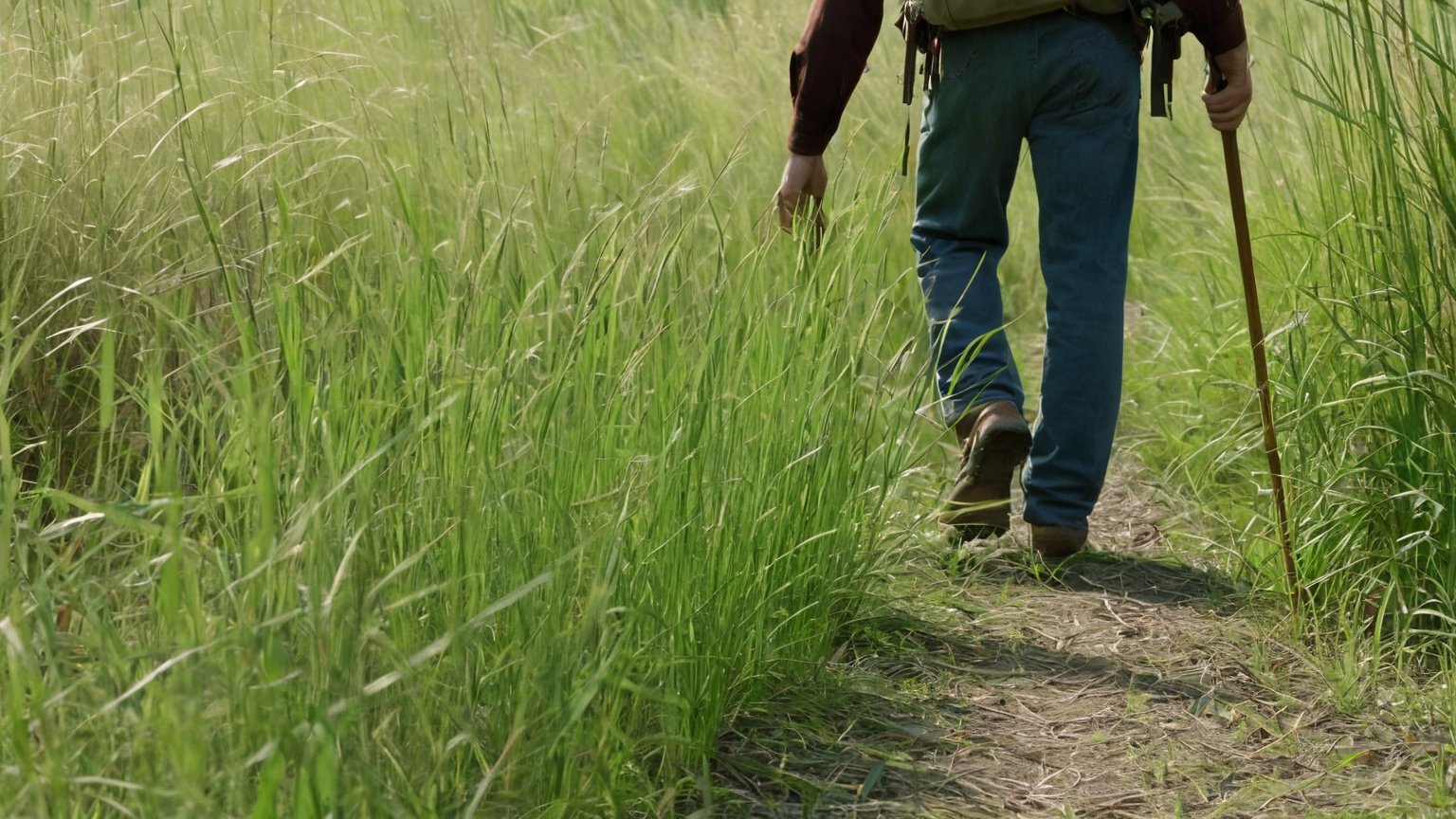
| During exercise | Stay near the center of trails and avoid brushing tall grass | Turning every shortcut through vegetation into exposure |
| After returning | Check clothing, gear, pets, and skin; shower when practical | Assuming a quick walk needs no follow-up |
| Tick found | Remove promptly with fine-tipped tweezers and watch symptoms | Burning, twisting, or covering the tick with chemicals |
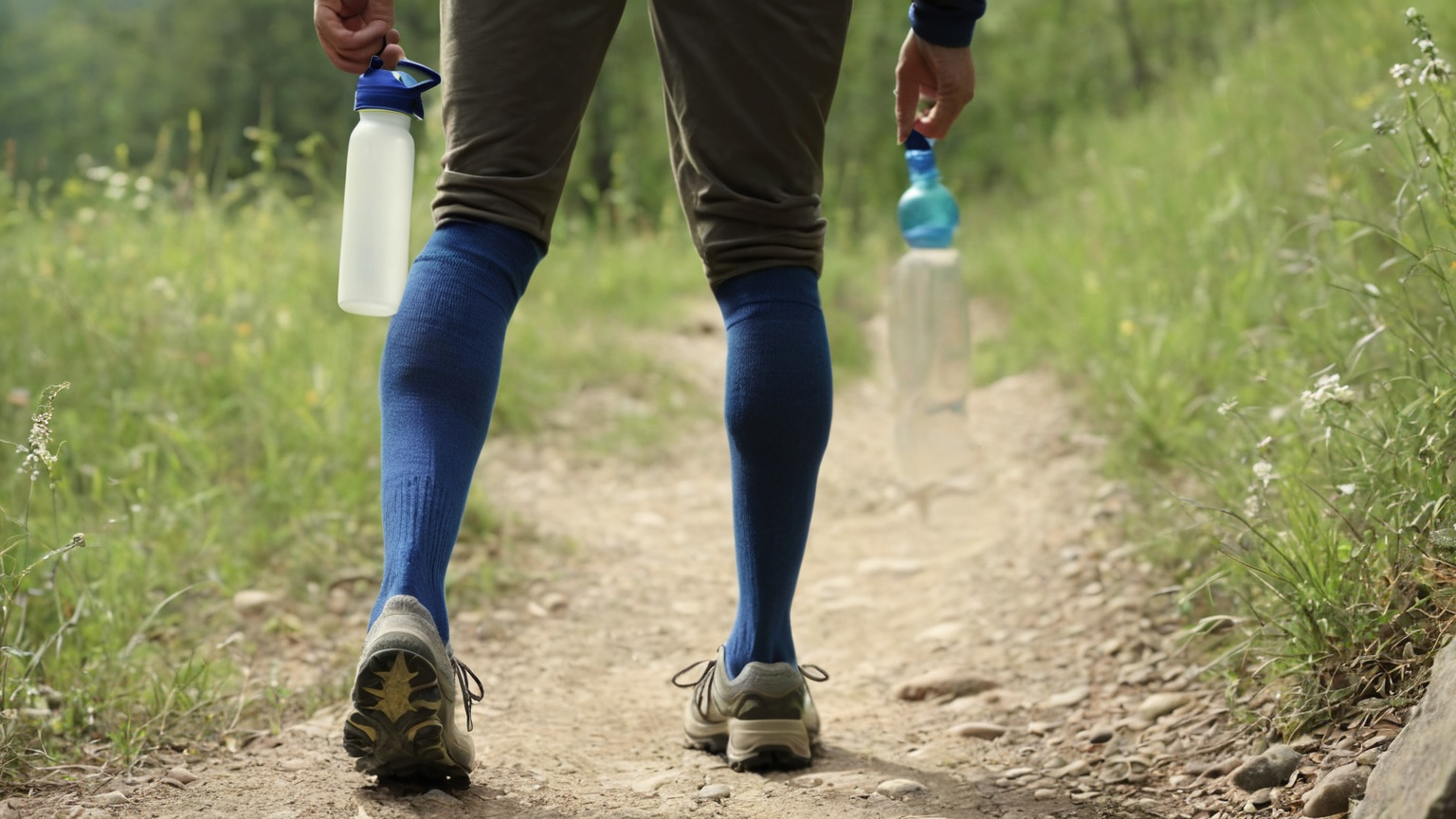
| Heat plus bugs | Balance coverage with heat safety and hydration | Overdressing on an extreme-heat route |
Build the plan before the route
Choose a route that lowers exposure before relying on products. Maintained paths, short loops, mowed edges, and daytime visibility make prevention easier. Avoid sitting in leaf litter or brushing through tall grass when a safer path exists. For early morning or evening workouts, remember that mosquito activity may be higher even when the temperature feels more comfortable.
A useful tick and mosquito bite prevention for outdoor workouts routine should be boring enough to repeat. Decide the stop rule before you are rushed, keep the official source or label available, and choose the option that leaves a margin for mistakes. The goal is not a perfect checklist; it is a safer weekday decision when heat, fatigue, clutter, schedules, and limited attention make shortcuts tempting.

Use repellent like a label-based tool
EPA-registered repellents are evaluated for safety and effectiveness when used according to the label. Pick a product appropriate for the outing length, pests, age, and skin/clothing use. Apply sunscreen and repellent according to label directions rather than guessing. Do not spray near eyes, mouths, open cuts, or indoor food areas, and wash hands after applying.
Clothing, socks, and laundry matter
Lightweight long sleeves, socks, and closed shoes can reduce exposed skin, but heat safety still matters. If long clothing makes you overheat, shorten the route, move earlier, choose shade, or go indoors. After high-exposure outings, put workout clothes into laundry and inspect gear before bringing it into bedrooms or couches.
Do the post-outing check while it is still easy
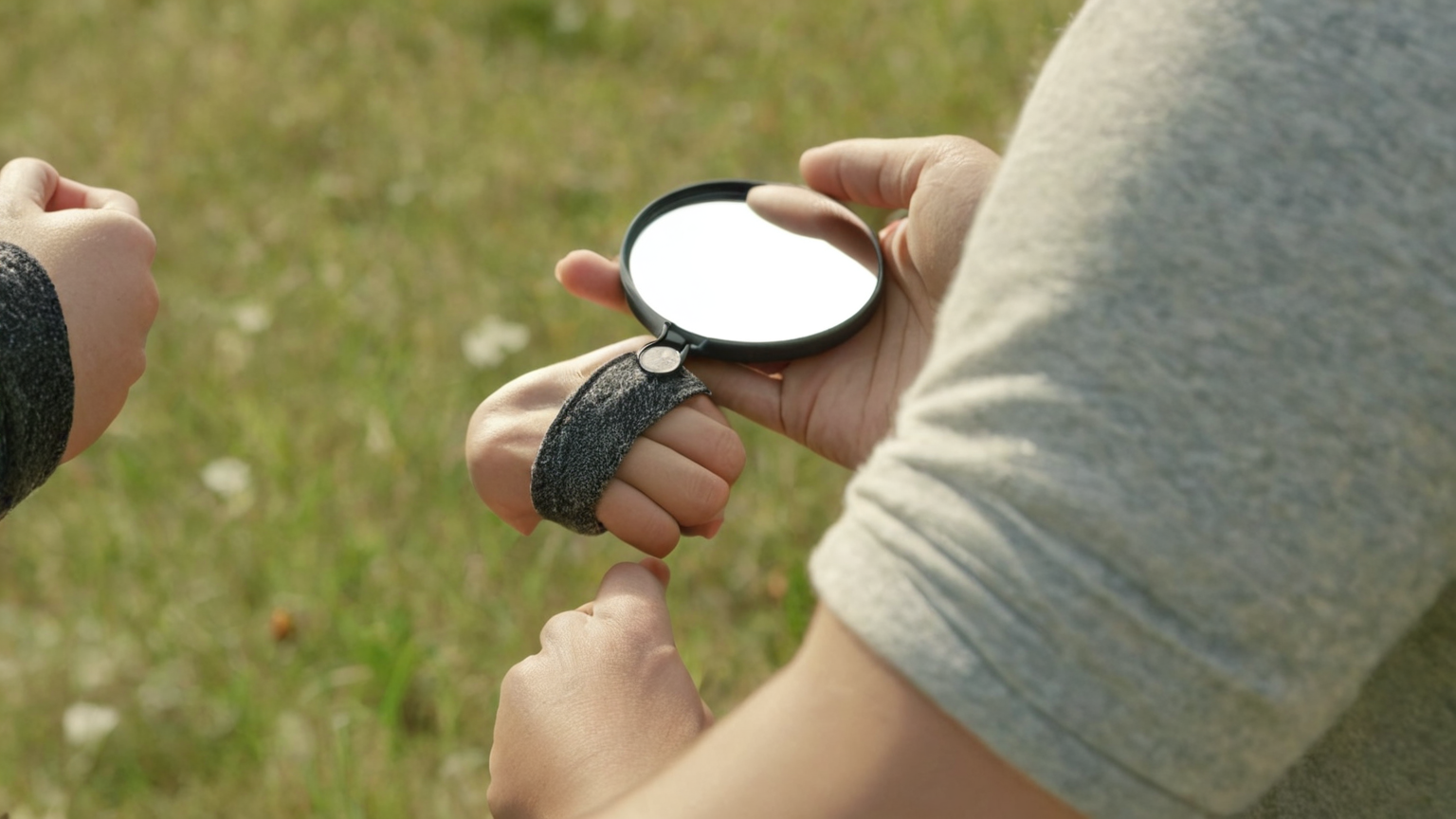
A fast check is better than a forgotten perfect check. Look at socks, waistbands, sleeves, hairline, behind knees, and gear. Showering after returning can help you notice ticks sooner. If a tick is attached, remove it promptly with fine-tipped tweezers, clean the area, and note the date and likely exposure location.
Symptom caveats and when to get help
Rash, fever, severe headache, joint pain, unusual fatigue, neurologic symptoms, or worsening swelling after a bite should not be treated as a fitness inconvenience. Contact a healthcare professional or local health department guidance, especially after tick exposure or mosquito-borne disease alerts. This article cannot diagnose bites.
Five-minute outdoor workout checklist
- Check local heat, storm, and vector guidance before leaving.
- Pick a maintained route with less tall vegetation.
- Use EPA-registered repellent according to the label.
- Balance clothing coverage with heat safety.
- Check clothing, gear, pets, and skin after returning.
- Save the exposure date if a tick is found.
Example decision
A humid evening trail run with tall grass becomes a shorter maintained loop, repellent applied by label directions, socks checked at the door, and a shower before bed. The workout still happens, but the bite-prevention system does not depend on luck.

FAQ summary
The safest outdoor routine combines route choice, label-based repellent use, clothing decisions, tick checks, and symptom awareness. Prevention works best when it is planned before the bugs appear.
Bite-risk decision table
| Outdoor plan | Lower-risk adjustment | Higher-risk pattern |
|---|---|---|
| Trail run through brush | Stay centered on the trail and wear higher socks or coverage | Brushing through tall grass with bare legs |
| Evening walk near standing water | Use labeled repellent and consider a different route | Assuming short walks do not need protection |
| Group sport in a park | Pack repellent and do a quick clothing check after | Leaving sweaty clothes on for hours afterward |
| Travel to a new region | Check local tick and mosquito guidance first | Using your home routine everywhere |
| A tick is attached | Remove carefully with fine-tipped tweezers and note timing | Burning, twisting, crushing, or covering it with chemicals |
A practical pre- and post-workout checklist
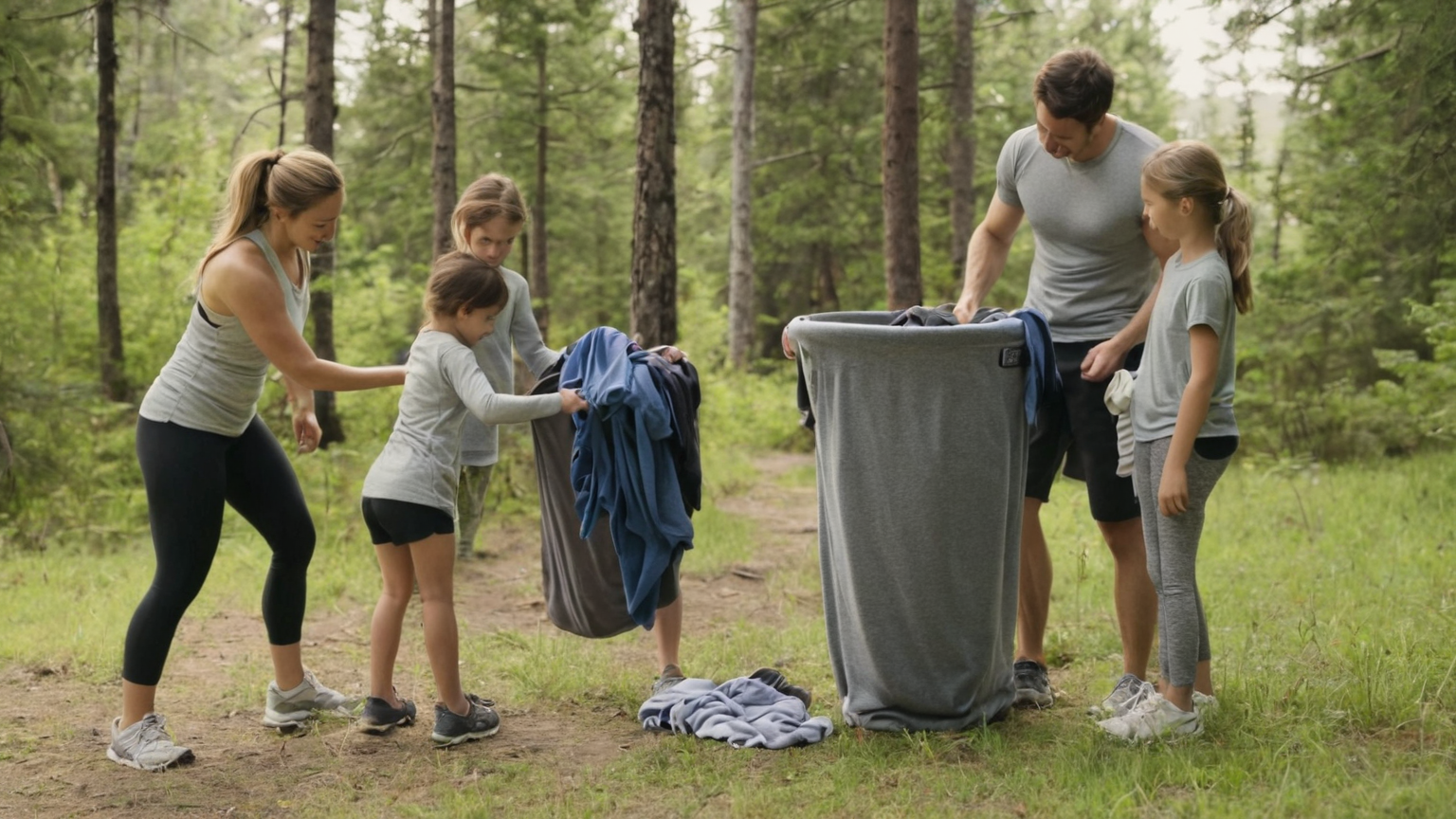
Before leaving, decide whether the route has brush, tall grass, standing water, dusk exposure, or recent local warnings. If yes, dress for contact reduction and use repellent according to the label. Keep repellent away from eyes, mouth, damaged skin, and hands that will handle food. For longer trail days, pack a small bag for used socks or clothing so ticks and mosquitoes are not carried into the car or home unnoticed.
After the workout, check ankles, sock lines, waistline, behind knees, armpits, hairline, and gear. Showering and changing clothes soon after outdoor exposure can make the check easier. Pets can also bring ticks indoors, so a dog walk or trail run with a pet needs a pet-safe plan from a veterinarian rather than human repellent improvisation.
Who should be more cautious
People with prior severe reactions to bites, immune compromise, pregnancy, travel to disease-endemic regions, or outdoor jobs that create repeated exposure should use more conservative prevention and seek professional advice sooner after symptoms. Children need adult application of repellents and adult tick checks because bites can hide under socks, waistbands, and hair.
Common mistakes after a clean-looking workout
The absence of immediate itching does not prove there were no ticks. Ticks can be small, painless, and hidden under clothing edges. A quick check before getting into the car helps, but a more complete check at home is better. Put sweaty clothing where it will not spread insects to furniture, and inspect packs, hats, and socks. If you find an attached tick, remove it carefully with fine-tipped tweezers, clean the area, and note the date and likely location.
For mosquitoes, the mistake is often timing. A comfortable evening walk can overlap with peak biting activity near water or vegetation. If bites are common on a route, change the route, add clothing coverage, or use a labeled repellent consistently. Avoid mixing products in ways the label does not support.
Source interpretation note
Public-health guidance on ticks and mosquitoes is regional because disease risk changes by location and season. This article gives an exercise-specific checklist, but local health department alerts, travel medicine advice, and product labels should override a generic routine.
Reader safety checklist for trails and parks
A useful bite-prevention plan starts before the workout. Check whether the route includes tall grass, brush, standing water, dusk timing, or local disease alerts. Choose socks, pants, or sleeves that reduce skin contact when practical. Apply repellent according to the label and wash hands before eating. After the workout, change clothes, inspect skin and gear, and record the date if a tick was attached.
This checklist is intentionally plain because prevention fails when it depends on memory after a hard session. Keep repellent near trail shoes, store a spare pair of socks in the car, and make tick checks a normal part of outdoor training rather than a reaction to seeing a bite later.
Example substitutions
| Original route | Lower-bite-risk version | Why it helps |
|---|---|---|
| Tall-grass shortcut | Maintained path centerline | Reduces brushing contact |
| Dusk lakeside walk | Earlier paved route | Reduces mosquito exposure timing |
| Bare-leg trail run | Higher socks or light coverage | Makes tick detection easier |
| Post-run social stop in sweaty clothes | Change first, socialize after | Reduces time insects remain on clothing |
Final pre-session script
Before leaving, name the exposure and the follow-up: “This route has brush and dusk timing, so I will use coverage, repellent, and a tick check after changing clothes.” If you cannot name the follow-up, choose a lower-risk route. This keeps prevention from becoming an afterthought.
Bite prevention is not about fear of every outdoor session. It is about matching the route, season, and local alerts with a routine that is easy to repeat. The best plan still lets you train outside, but it removes the careless parts: bare-skin shortcuts through brush, unlabeled product use, skipped tick checks, and delayed attention to fever or rash after a bite.
For families and groups, assign the checklist rather than assuming everyone remembers it. One person carries repellent, one checks route conditions, and everyone changes clothes after the session. Shared routines prevent the weakest step from being skipped. For children, outdoor workers, and frequent trail users, the routine should be written down and repeated every time, not reinvented after a bite occurs. Local alerts and clinician advice should guide any symptom follow-up.