Wildfire Smoke and Outdoor Exercise: AQI Decision Plan
A practical 2026 AQI-based routine for modifying outdoor workouts during wildfire smoke and poor-air days.
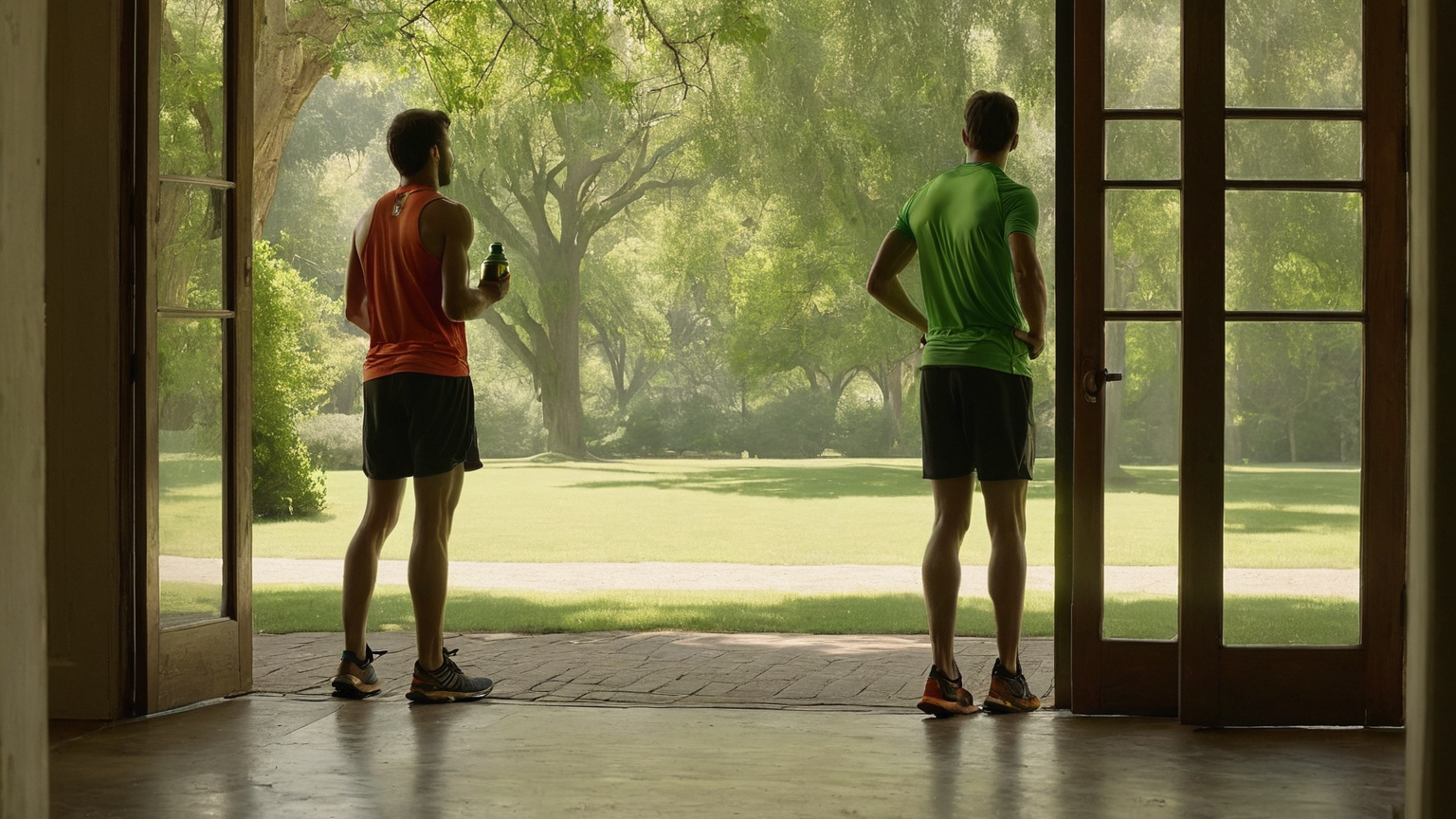
This article is for general education only and is not medical advice. Stop exercise and seek qualified care for chest pain, fainting, severe shortness of breath, neurological symptoms, uncontrolled blood pressure, recent surgery concerns, pregnancy-related concerns, or symptoms that worsen instead of improving.
Evidence and boundary review
BodyWise Lab articles cite primary sources, show update dates, and separate practical routines from clinical decisions. Source-checking is an editorial process, not a personal medical endorsement.
Wildfire smoke can turn a normal training plan into a respiratory risk decision. This guide was checked on 2026-06-01 against AirNow, EPA, CDC, and National Weather Service resources. It is not medical advice; it is a conservative routine for deciding when to move a workout indoors, shorten it, lower intensity, wear appropriate protection for unavoidable exposure, or skip the session entirely.
AQI workout decision table
| Condition | Safer workout choice | What to avoid |
|---|---|---|
| AQI is good and no symptoms | Normal easy session may be reasonable | Ignoring smoke smell or local alerts |
| Moderate AQI or visible haze | Shorter, easier route; monitor symptoms | Hard intervals far from home |
| Unhealthy for sensitive groups | Move indoors if you have asthma, heart/lung risk, pregnancy, older age, or symptoms | Treating a race plan as mandatory |
| Unhealthy or worse | Indoor exercise or rest | Outdoor endurance workouts |
| Smoke plus heat | Use the more conservative limit | Assuming hydration fixes air pollution |

Start with the official AQI, then look outside
AirNow and local agencies give a better starting point than a vague weather app color. Check the AQI category, pollutant, forecast trend, and nearby sensors. Then use your senses: visible haze, smoke odor, irritated eyes, scratchy throat, cough, chest tightness, unusual fatigue, or headache all push the decision toward less outdoor exertion. Do not average away risk by saying the day is only “kind of smoky.”
The safest version of this plan is deliberately boring: observe the condition, record the decision point, choose the conservative action, and leave yourself a way to reverse course. For wildfire-smoke exercise planning, that means not relying on memory, marketing copy, or a single app screen. Use a small written checklist, keep the official source open when facts may have changed, and make the no-go condition explicit before you are tired, hungry, hot, rushed, or under pressure from other people. A good routine should work on an ordinary weekday, not only during a perfect test run.
Change intensity before pride makes the decision
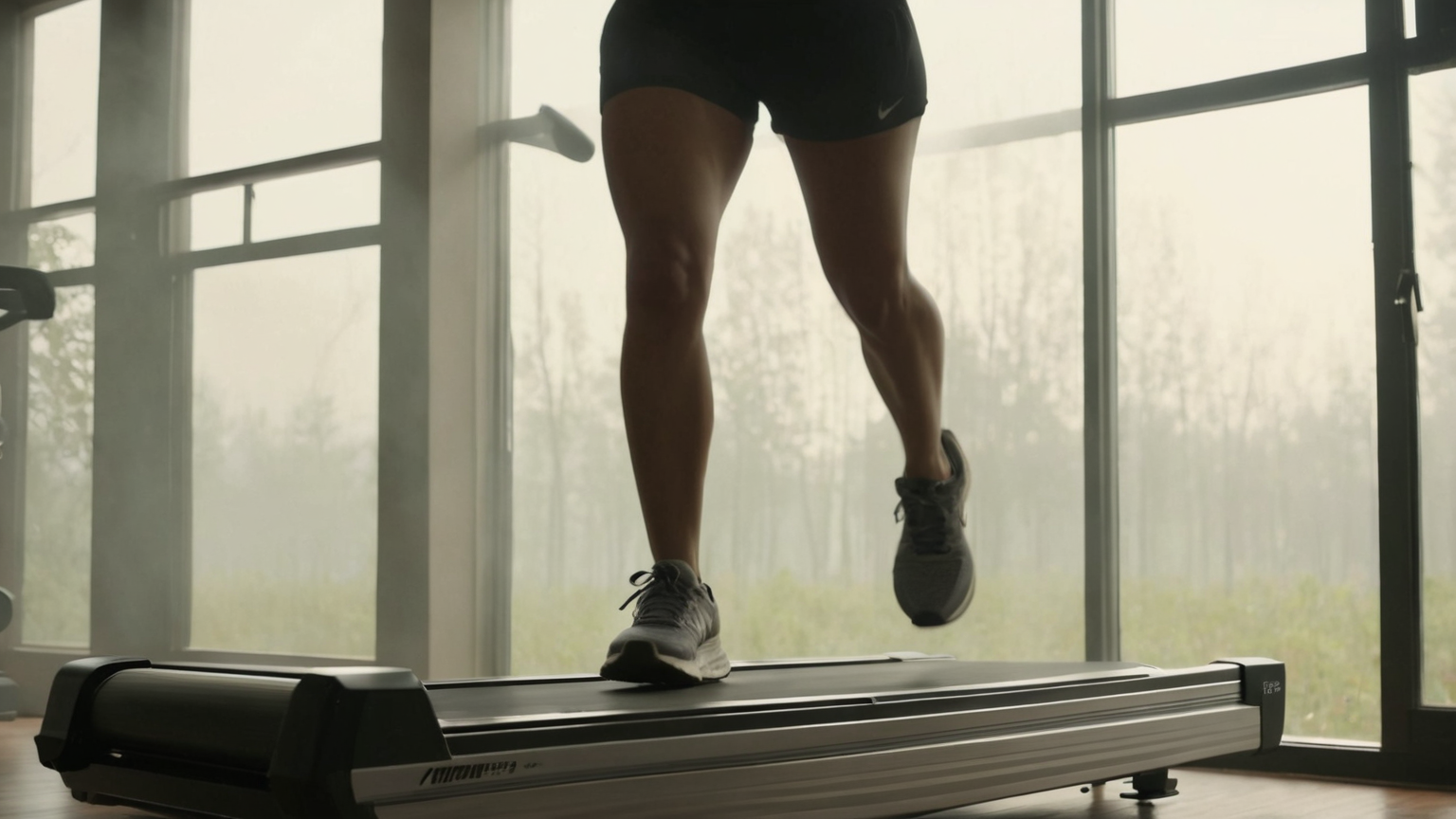
Hard breathing increases inhaled dose. If conditions are borderline, replace intervals with mobility, strength technique, an indoor treadmill, easy cycling, or a rest day. Athletes often worry about losing fitness, but a single poor-air session is rarely worth days of coughing or a flare. If a coach or group plan says otherwise, ask for a smoke contingency before the season starts.
Build a symptom stop rule
Write down a simple rule: if coughing, wheezing, chest discomfort, dizziness, unusual shortness of breath, or eye/throat irritation appears, stop and move to cleaner air. People with asthma, COPD, heart disease, recent respiratory infection, pregnancy, older age, or young children in the household should be more conservative and follow clinician guidance.

Make indoor air part of the workout plan
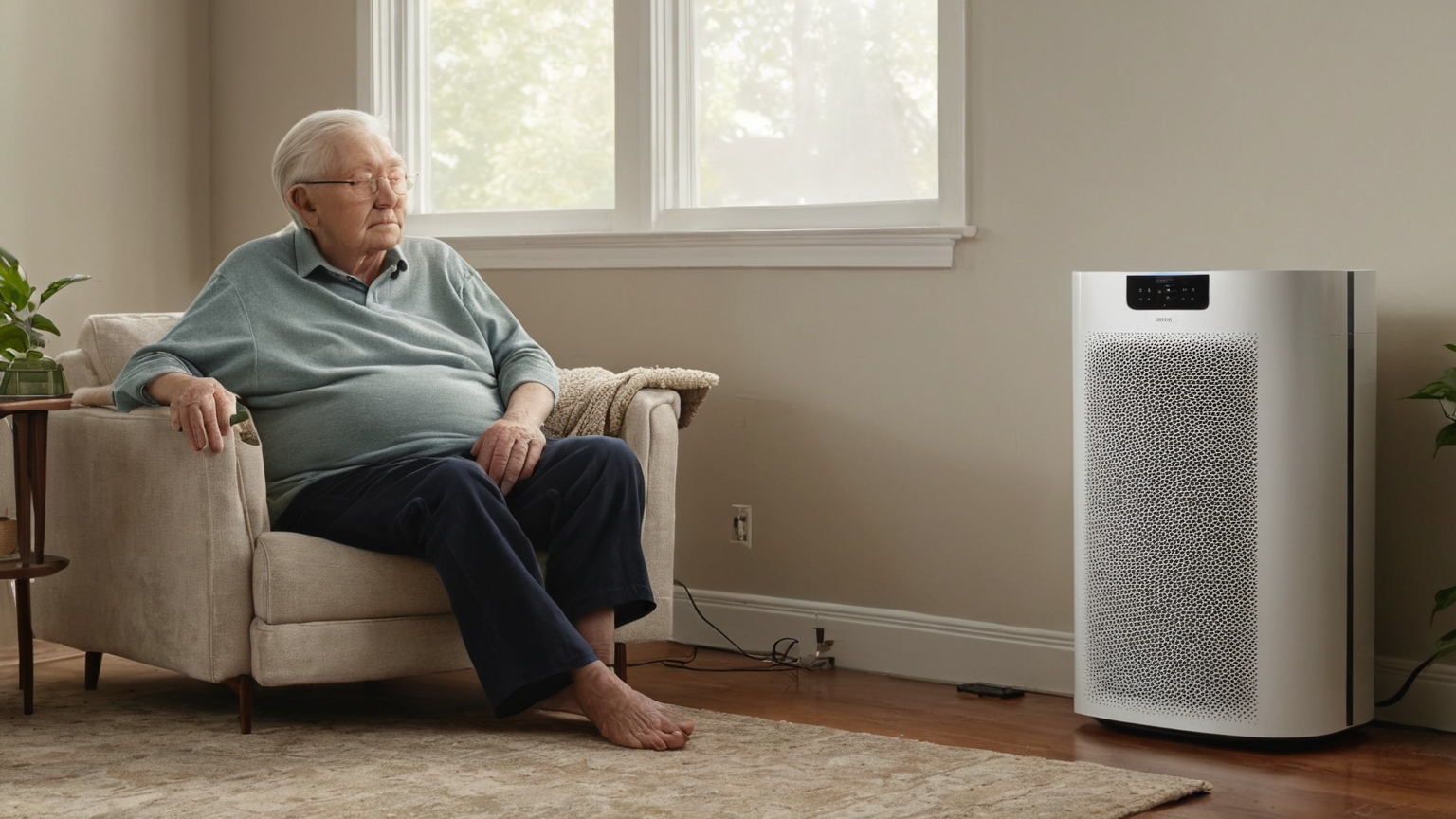
Outdoor smoke can enter the home. Close windows when advised, use filtration if available, avoid adding indoor particles from candles or frying, and choose a room where breathing feels easiest. If you use an air cleaner, follow the manual for filters and room size. A blank “indoor workout” plan is better than negotiating with yourself when the sky is already gray.
Masking is not a license for hard training
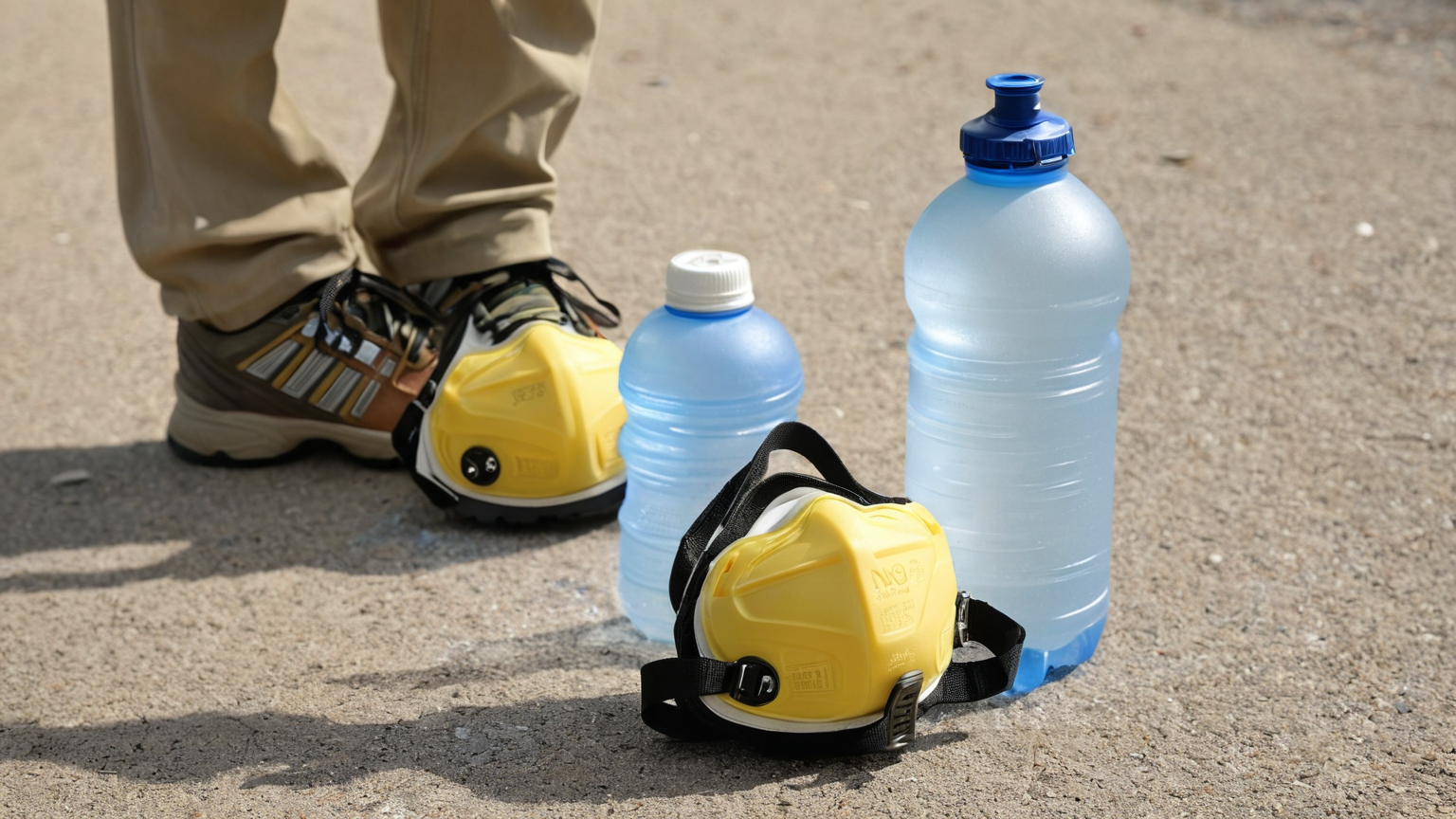
A well-fitting N95-style respirator may reduce particle exposure for necessary outdoor tasks, but it can feel uncomfortable during exertion and is not a guarantee. It also does not solve heat stress, poor fit, facial hair leakage, or medical limitations. For exercise, the cleaner option is usually changing location, timing, or intensity.
Weekly planning checklist
- Save AirNow, local air district, and weather alert links.
- Pre-select two indoor routines: one easy cardio option and one strength or mobility option.
- Tell workout partners the AQI category that cancels outdoor plans.
- Keep rescue medication, if prescribed, accessible and current.
- Plan routes with quick exits instead of long out-and-back exposure.
- Recheck conditions before leaving; smoke can shift quickly.
Example decision
If the morning forecast shows worsening smoke and the AQI is already in a sensitive-groups category, a runner with seasonal asthma should move the session indoors, reduce intensity, and monitor symptoms. A healthy adult without symptoms might still choose an easy short walk when AQI is moderate, but should avoid hard intervals and be ready to stop.
FAQ summary
The best smoke-day workout is the one that preserves tomorrow’s breathing. Check official AQI, respect symptoms, lower intensity early, and choose indoor alternatives without treating rest as failure.
AQI training decision table
| Air-quality situation | Safer training choice | Avoid this pattern |
|---|---|---|
| Smoke is visible or you smell it | Check local AQI and move indoors if uncertain | Starting a long run because the sky looks only slightly hazy |
| AQI is elevated for your sensitivity group | Reduce duration and intensity or train indoors | Treating a watch readiness score as stronger than air-quality guidance |
| You have asthma, COPD, cardiovascular disease, pregnancy, or recent respiratory illness | Follow clinician and local public-health thresholds | Using a generic athlete plan |
| Indoor air is also smoky | Reduce exertion and improve filtration if possible | High-intensity circuits in a smoky garage |
| Symptoms appear during exercise | Stop, move to cleaner air, and seek help if severe | Trying to finish the workout for streak reasons |
A smoke-day replacement session
A good smoke-day workout protects the habit without pretending conditions are normal. Start with 10 minutes of indoor mobility and breathing that does not provoke coughing. Add two or three easy strength movements, such as goblet squats, hip hinges, rows, or push-ups, leaving several repetitions in reserve. If indoor air is clean enough for cardio, keep it conversational and short. If the home or gym air is not clean, rest is a valid training decision.
Do not chase personal records on a smoke day. The goal is to preserve consistency while lowering inhaled particle exposure. A missed hard session can be rescheduled; an irritated respiratory system can disrupt an entire week.
Who should be more cautious
People with asthma, COPD, heart disease, pregnancy, older age, children and teens, recent respiratory infection, or smoke-triggered symptoms should use stricter thresholds. Coaches and parents should also avoid normalizing outdoor practices when local guidance recommends limiting exertion.
Indoor-air reality check
Moving indoors only helps if indoor air is meaningfully cleaner. Keep doors and windows closed during smoke events when appropriate, avoid smoky garages or rooms with strong indoor pollutants, and choose lower intensity if filtration is uncertain. A treadmill near an open garage door may not be better than an outdoor walk. If you have access to a cleaner gym or community building, that may be the better option for maintaining routine.
A respirator is not a permission slip for hard intervals. Fit, comfort, heat, and breathing resistance matter during exercise, and people with medical conditions should follow clinician advice. When in doubt, protect lungs first and train harder when the air improves.
Source interpretation note
AQI categories are public-health communication tools, not individualized training prescriptions. This article uses AQI as a conservative decision aid for exercise. Local emergency guidance, clinician advice, and real symptoms should override the desire to complete a planned workout.
Reader safety checklist for smoky days
Before training, check the current AQI, the forecast trend, and whether smoke is visible or smelled at ground level. Then check your own status: asthma symptoms, cough, chest tightness, recent respiratory illness, pregnancy, heart disease, or unusual fatigue. Finally, check the indoor option. If indoor air is not cleaner, the safest choice may be rest, mobility, or a very low-effort routine rather than an intense indoor substitute.
The key habit is separating training identity from the day’s conditions. A runner can remain consistent by protecting breathing today and rescheduling quality work tomorrow. A lifter can maintain skill with light sets and long rests. Fitness improves across months; smoke exposure decisions happen hour by hour.
Example substitutions
| Original workout | Smoke-day version | Why it helps |
|---|---|---|
| Outdoor intervals | Indoor mobility and easy strength | Avoids high ventilation in polluted air |
| Long run | Short clean-air treadmill walk if available | Reduces duration and particle intake |
| Team practice | Technique review indoors | Preserves learning while reducing exposure |
| Garage circuit with smoky air | Rest or relocate to cleaner indoor air | Indoor does not help if the air is still polluted |
Final pre-session script
Before training, say the replacement out loud: “If the AQI rises, smoke smell increases, or symptoms appear, I will do the indoor easy version instead.” A written fallback protects the habit without making outdoor exposure the only definition of success.
Smoke decisions are easier when the hard workout already has a backup day. Move intervals, long runs, or high-volume circuits to the next cleaner day. Use smoky days for mobility, technique, planning, or rest. That trade is not lost fitness; it is risk management that keeps the next week available.
If you coach others, communicate the smoke-day rule before practice starts. Clear cancellation, relocation, or indoor-modification rules reduce pressure on sensitive athletes who may otherwise stay quiet about symptoms.