Indoor Workout Air Quality and Heat Plan
A 2026 guide to choosing safer indoor workouts when outdoor ozone, wildfire smoke, pollen, or heat makes a normal run a bad idea.
This article is for general education only and is not medical advice. Stop exercise and seek qualified care for chest pain, fainting, severe shortness of breath, neurological symptoms, uncontrolled blood pressure, recent surgery concerns, pregnancy-related concerns, or symptoms that worsen instead of improving.
Evidence and boundary review
BodyWise Lab articles cite primary sources, show update dates, and separate practical routines from clinical decisions. Source-checking is an editorial process, not a personal medical endorsement.
Outdoor workouts are valuable, but a high-ozone afternoon, wildfire-smoke plume, heat alert, or poorly ventilated room can turn a routine session into avoidable strain. This guide was checked on 2026-06-06 against CDC, EPA, AirNow, and National Weather Service sources. It is not medical advice; it is a practical decision method for choosing whether to train outside, move indoors, lower intensity, improve the room, or stop and seek qualified care.
Quick decision table
| Situation | Safer workout choice | Why it matters |
|---|---|---|
| AQI is elevated for ozone or particles | Move indoors and keep intensity conversational | Hard breathing increases exposure dose |
| Heat alert overlaps poor air | Shorten the session, cool the room, or rest | Heat stress and breathing stress can stack |
| Indoor room smells smoky, dusty, or damp | Change rooms, improve filtration, or skip | Indoor air is not automatically clean air |
| You feel chest tightness, unusual breathlessness, dizziness, confusion, or heat illness signs | Stop, cool down, and seek help when appropriate | Symptoms are a stop rule, not a toughness test |

1. Check AQI, pollutant type, and heat before you choose the workout
A safer plan starts before shoes are tied. AirNow’s AQI categories are useful, but the decision should also consider which pollutant is driving the warning. Ozone often peaks later in the day and can make hard afternoon intervals a poor tradeoff. Particle pollution from smoke can make even an easy run feel harsher. Heat alerts add another layer because sweating, dehydration, and cardiovascular strain can make the same pace less safe.
Use this order: first check AQI for your location, then the heat index or local heat warning, then your own risk factors and recent symptoms. If any one factor is concerning, reduce intensity. If two factors overlap, choose the conservative option: indoor mobility, strength technique work, an easy treadmill walk in a clean-air room, or a rest day.
2. Make the indoor room cleaner before the session starts
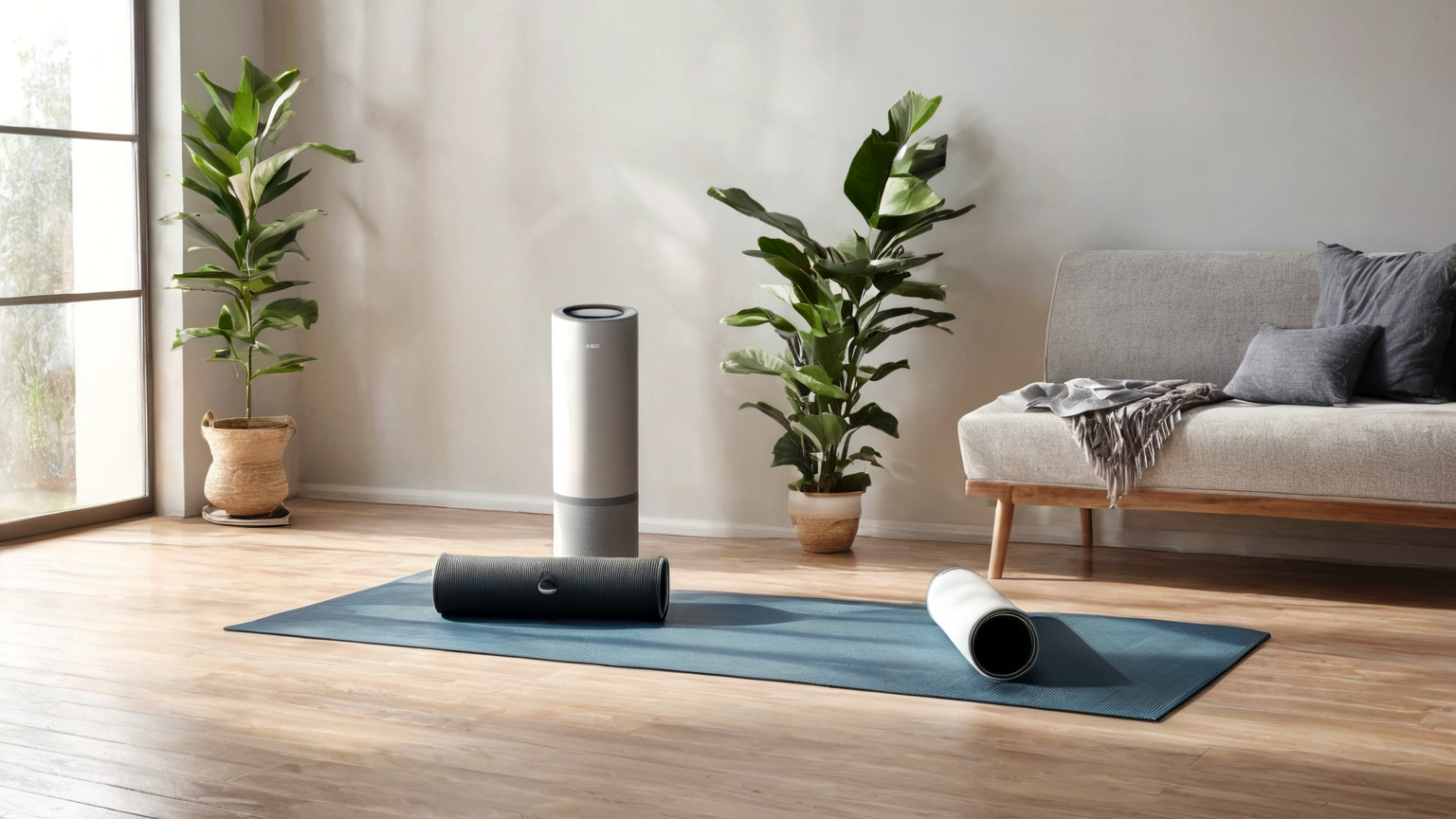
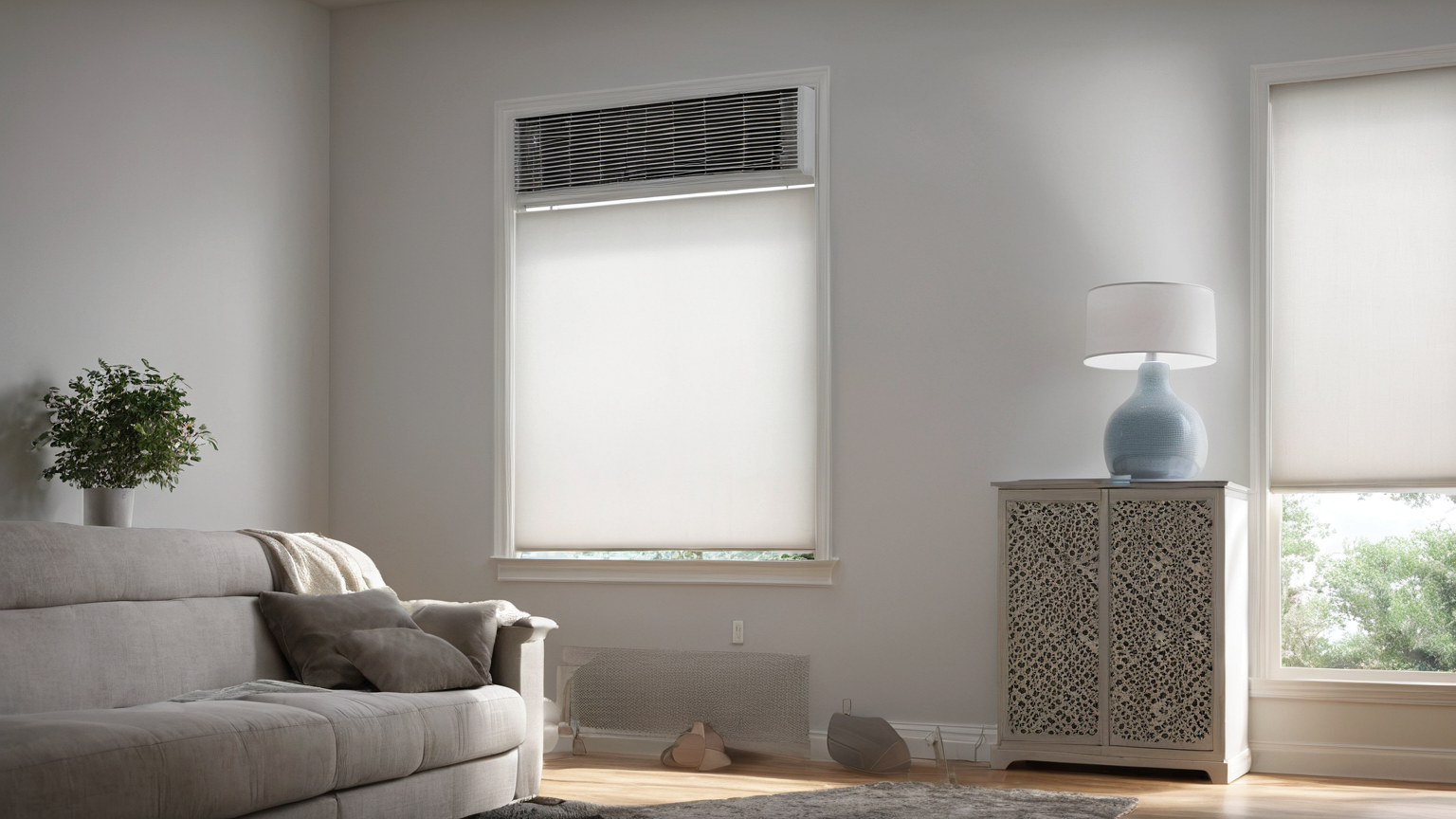
Moving indoors only helps when the room is genuinely better than outside. Close windows when outdoor smoke or ozone is the problem. If you use a portable air cleaner, size it for the room and give it time to run before a workout. Avoid stirring dust right before training; vacuuming or spraying strong cleaners can make the air feel worse. If the room smells damp or musty, choose another space rather than turning exercise into a mold or irritant exposure test.
A simple pre-workout room check takes two minutes: clear trip hazards, start the fan or purifier if it does not pull outdoor smoke inside, set water nearby, and choose a workout that does not require gasping. Keep hard intervals for days when both air and heat are favorable.
3. Match intensity to the risk, not to the calendar
The mistake is treating the plan as fixed because a training calendar says “tempo” or “long run.” When AQI is questionable, keep breathing controlled enough that you can speak in short sentences. Swap speed work for mobility circuits, light strength, balance work, stretching, or an easy indoor walk. People with asthma, heart disease, pregnancy, older age, or recent respiratory illness should use a stricter threshold and follow clinician guidance.
Low-risk substitutions
- Replace outdoor intervals with indoor technique drills and zone-1 movement.
- Replace a long run with two shorter easy sessions on cleaner-air days.
- Replace a smoky-room workout with rest, sleep, hydration, and room cleanup.
- Replace willpower-based rules with symptom-based stop rules.

4. Use symptom stop rules
Stop immediately if breathing feels unusually difficult, chest discomfort appears, heat symptoms begin, or dizziness and confusion show up. Cooling down is not a failure; it is the intervention. Move to a cooler area, drink water if safe for you, and seek urgent help for severe or persistent symptoms. Do not use caffeine, pre-workout stimulants, or competition anxiety to override warning signs.
5. Keep the page useful over time
Indoor does not automatically mean safe
The indoor option should be cleaner, cooler, and easier to control than the outdoor option. If the room smells smoky, dusty, damp, or overheated, do not assume a treadmill workout solves the problem. A short mobility session in a cleaner room can be a better training decision than a hard workout in a stale room.
A practical swap menu
- Replace outdoor intervals with easy indoor walking, cycling, or mobility.
- Replace a long run with a shorter session now and a second easy session on a cleaner day.
- Replace hard breathing with strength technique, balance, or stretching when AQI is elevated.
- Replace a questionable room with rest if you cannot improve ventilation, filtration, temperature, or symptoms.
FAQ
Is indoor exercise always safer on bad-air days? No. A smoky, dusty, damp, or overheated indoor room can still be a poor choice. Improve the room or pick a different space.
Should I wear a mask while doing intense exercise? This depends on the person, mask, pollutant, and intensity. Use official health guidance and clinician advice when you have health conditions.
What should I do when heat and smoke happen together? Treat the overlap as a higher-risk day: lower intensity, shorten the session, cool the room, or rest.
Indoor workout decision table
| Indoor condition | Better choice | Avoid this |
|---|---|---|
| Room is hot and poorly ventilated | Lower intensity or move to a cooler room | Hard intervals in a stuffy garage |
| Outdoor smoke or ozone is present | Keep windows closed when advised and use cleaner indoor air | Opening windows because exercise feels warm |
| Strong odors, frying smoke, candles, or dust are present | Delay training or improve ventilation/filtration | Assuming indoor automatically means clean |
| You feel dizzy, wheezy, or unusually short of breath | Stop and reassess air and symptoms | Finishing the circuit for a streak |
| Children, older adults, asthma, pregnancy, or heart/lung risk are involved | Use stricter thresholds | Copying a healthy athlete’s plan |
A practical room setup
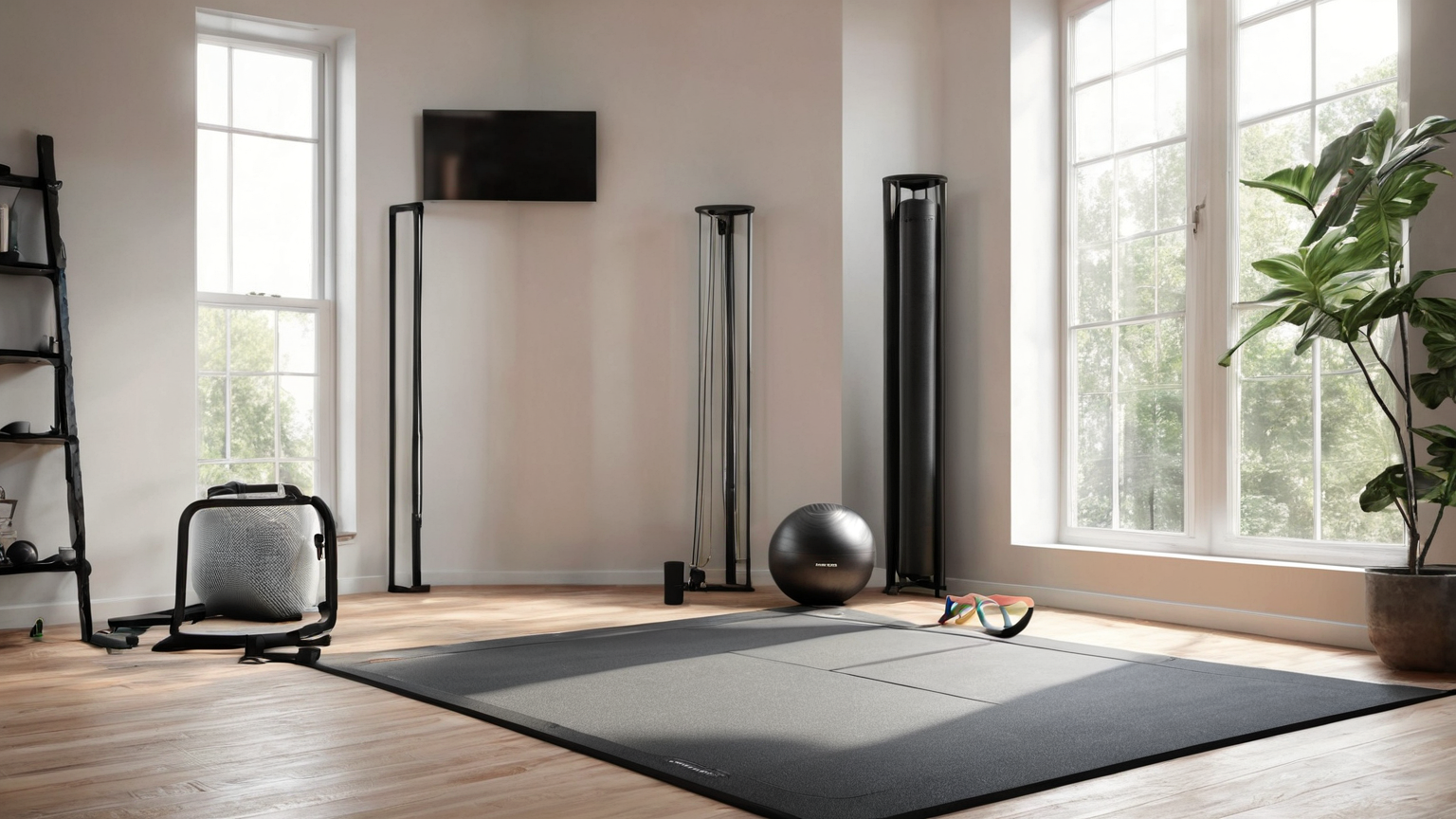
Pick a room with the most stable temperature and cleanest available air. Remove tripping hazards, avoid training beside open chemical containers or dusty storage, and keep water nearby. If air filtration is available, use it according to the manual and room size. If the room is a garage or basement, check heat, fumes, and ventilation before deciding it is safer than outdoors.
For hot or poor-air days, choose lower-ventilation workouts: mobility, technique strength, light sets with longer rests, or easy walking in a clean indoor space. Save high-rep circuits and hard cardio for conditions that do not force heavy breathing in questionable air.
Who should be more cautious
People with asthma, COPD, heart disease, pregnancy, recent respiratory illness, heat-illness history, or medication-related heat concerns should use conservative indoor thresholds. Children and older adults may not describe symptoms early, so adults should reduce intensity before discomfort becomes obvious.
Source interpretation note
Public guidance on indoor air quality, wildfire smoke, heat, and physical activity does not create one universal indoor workout rule. This article combines those principles into a home-exercise checklist. It is not an air-quality certification, medical clearance, or product recommendation.
Common mistakes to avoid
The first mistake is assuming indoor means safe. A garage can be hotter than outdoors, a basement can be dusty, and a room with open windows can still receive smoke or ozone-related pollution. Check the actual training space before choosing intensity. If breathing feels irritated during the warm-up, the correct adjustment is to reduce effort or stop, not to finish the planned circuit.
The second mistake is choosing workouts that create too much ventilation demand for the day. Burpees, high-rep swings, and all-out intervals can be poor choices when air quality or heat is questionable. Technique practice, mobility, easy strength, and longer rests are better maintenance tools.
Example substitutions
| Original workout | Indoor safer version | Why it helps |
|---|---|---|
| High-rep conditioning circuit | Low-rep strength technique with long rests | Reduces breathing demand |
| Treadmill intervals | Easy walk or incline-free steady pace | Keeps symptoms easier to monitor |
| Hot garage lifting | Cooler room mobility and dumbbell work | Reduces heat load |
| Smoke-day outdoor run | Filtered indoor easy cardio if available | Lowers particle exposure |
Final room-check script
Before training, say: “This room is cooler and cleaner than the alternative, and I have a lower-intensity backup.” If that statement is not true, choose rest, mobility, or a different space. Indoor training should reduce exposure risk, not hide it behind the word indoor. Recheck the room after the warm-up. Heat, odor, coughing, or unusual breathlessness during the first few minutes is evidence to downgrade the session, not a challenge to overcome. A safer indoor plan is allowed to look unimpressive; its job is to preserve health and routine.