Mobility Warm-Up for Strength Training: A Joint-by-Joint Routine That Does Not Waste Time
A practical 2026 strength-training warm-up: mobility, activation, ramp-up sets, pain caveats, and a 10-minute template for home or gym sessions.

This article is for general education only and is not medical advice. Stop exercise and seek qualified care for chest pain, fainting, severe shortness of breath, neurological symptoms, uncontrolled blood pressure, recent surgery concerns, pregnancy-related concerns, or symptoms that worsen instead of improving.
Evidence and boundary review
BodyWise Lab articles cite primary sources, show update dates, and separate practical routines from clinical decisions. Source-checking is an editorial process, not a personal medical endorsement.
A good warm-up should make the first work set feel predictable, not turn into a second workout. For strength training, that usually means three layers: raise body temperature, move the joints you are about to load, then rehearse the lift with easier sets. As of May 2026, public guidance still emphasizes regular aerobic and muscle-strengthening activity; the practical gap is how to start sessions when your hips, shoulders, or ankles feel stiff after work or commuting.
The 10-minute template
| Minute | Focus | What it should feel like |
|---|---|---|
| 0–2 | Easy pulse raiser | Warmer, not tired |
| 2–5 | Joint mobility | More range, no sharp pain |
| 5–7 | Activation | Target muscles wake up |
| 7–10 | Ramp-up sets | Lift pattern feels familiar |

Start with the session, not a random mobility menu
A squat day needs ankles, hips, trunk bracing, and a few unloaded squat patterns. A press day needs shoulders, upper back, and easy pressing practice. Pick two or three drills that match the lifts you will do. If a drill does not improve the first work set or help you move safely, it is optional.
Joint-by-joint choices
| If you are training | Try this first | Skip if |
|---|---|---|
| Squat or lunge | Ankle rocks, bodyweight squat pauses | Knee or ankle pain increases |
| Deadlift or hinge | Hip hinges with a dowel or light bell | Back pain sharpens |
| Bench or push-up | Band pull-aparts, scapular push-ups | Shoulder pinching appears |
| Row or pull-up | Dead hangs only if comfortable, light rows | Grip or elbow pain flares |
Activation is a signal, not a burn contest
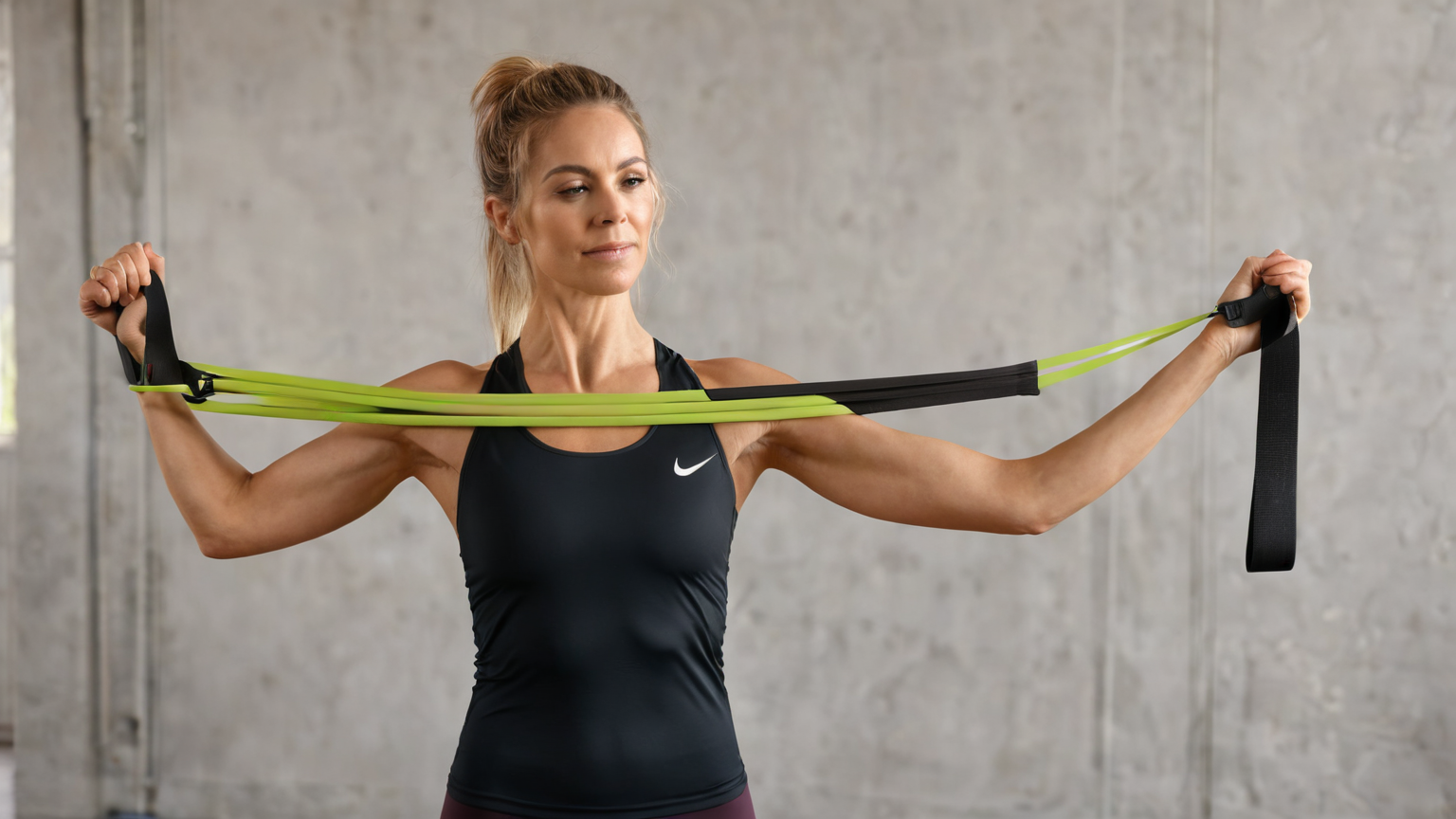
Glute bridges, side steps, band rows, or light carries can help you feel the muscles involved. Stop well before fatigue. If your activation circuit leaves you shaking, your main sets will suffer. The goal is coordination and confidence, not proving toughness before the workout starts.

Ramp-up sets are the most specific warm-up
For a strength movement, the best rehearsal is usually the movement itself at lower load. Use a few easy sets before the first hard set: empty bar or light dumbbells, then a moderate load, then a near-working warm-up that still feels crisp. Older, sleep-deprived, or cold-weather sessions may need more ramps; rushed sessions need fewer exercises, not sloppier first sets.

Red flags and modifications
Warm-ups should not numb pain or persuade you to ignore symptoms. Sharp pain, new numbness, chest symptoms, faintness, or joint swelling belong outside a blog routine. For ordinary stiffness, reduce range, slow the tempo, and choose an easier variation. If the first work set still feels worse after warming up, change the session target rather than forcing the plan.
Home-gym version
- Two minutes of brisk marching, stairs, cycling, or easy rowing.
- One lower-body mobility drill and one upper-body drill.
- One activation drill that matches the main lift.
- Two ramp-up sets of the first exercise.
- Write down what actually helped so next week’s warm-up gets shorter.

How to progress without turning the warm-up into a workout
Use the same warm-up template for two weeks before changing it. If your first working set feels smoother, your joints feel prepared, and the warm-up does not steal energy from the main lift, keep it. If it leaves you tired, reduce the number of drills before adding new ones. A practical progression is to add range first, then speed, then light load. For example, move from bodyweight hinges to a light kettlebell hinge only after the unloaded version feels controlled. People returning from injury, dizziness, chest pain, unusual shortness of breath, or sharp joint pain should stop the session and get qualified medical or coaching advice rather than trying to “warm through” warning signs.
Quick decision table for busy lifters
| Situation before the session | Best warm-up choice | What not to do |
|---|---|---|
| You feel cold but pain-free | Add two to four minutes of easy cycling, rowing, or brisk walking | Start with a near-max set just because time is short |
| Ankles or hips feel stiff on squat day | Use ankle rocks, squat pauses, and one or two lighter squat sets | Add ten unrelated shoulder drills |
| Shoulders feel sticky before pressing | Use scapular push-ups, band rows, and light pressing | Chase a deep stretch that creates pinching |
| You slept poorly or are returning after a break | Keep the same movements but reduce load targets | Turn the warm-up into a fatigue circuit |
| A joint feels worse as you move | Stop, reduce range, or switch the session | Try to prove the plan by pushing through |
A safer 10-minute script
Use this script when you do not want to overthink the warm-up. Minute 1 starts with easy whole-body movement: marching, cycling, rowing, or a brisk walk around the room. Minutes 2 and 3 target the main joints for the day. A lower-body day might use ankle rocks and slow bodyweight squats; an upper-body day might use band rows and scapular push-ups. Minutes 4 and 5 add one activation drill, such as glute bridges before squats or light rows before pressing. The final five minutes belong to the first main lift: one very easy set, one moderate set, and one crisp near-working warm-up if needed.
The point is not to collect drills. The point is to make the first working set feel less surprising. If you cannot explain why a drill belongs in the session, remove it for two weeks and see whether training quality actually drops.
Who should be more cautious
People with recent injury, joint swelling, dizziness, chest pressure, fainting history, uncontrolled blood pressure, or neurological symptoms should treat internet warm-up templates as general education only. The safer move is to get medical or qualified coaching guidance and then adapt the session. Beginners should also avoid copying advanced lifters who need long ramp-up sequences because their working weights are high; a new lifter usually benefits more from fewer drills and cleaner practice.
Common mistakes that make warm-ups less useful
The most common mistake is adding drills without removing anything. A lifter sees a hip mobility video, a shoulder activation drill, and a breathing reset, then stacks all of them before every session. The warm-up becomes long enough to reduce attention and training energy. A better rule is one purpose per drill. If a drill raises temperature, improves the exact range you will load, or rehearses the main lift, it can stay. If it only feels productive because it is complicated, cut it.
A second mistake is using discomfort as proof that a drill is working. Mild effort and mild stretching sensation can be normal, but sharp pain, nerve-like symptoms, new weakness, or joint swelling are not warm-up goals. The safest adjustment is usually to reduce range, slow down, choose a supported variation, or change the workout target. For example, a lifter with irritated shoulders might switch from barbell pressing to a neutral-grip dumbbell pattern, but should not use more aggressive stretching to force the original plan.
A third mistake is copying athlete warm-ups without copying the context. A competitive powerlifter, field athlete, or Olympic lifter may need a long ramp because the session loads are high and the movements are highly specific. A home lifter doing moderate dumbbell work usually needs less ceremony. The best warm-up is the shortest one that makes the first meaningful set feel controlled and repeatable.
How to audit your own routine
After each session, write one sentence: “The first hard set felt better, worse, or unchanged because…” After two weeks, patterns appear. If ankle rocks consistently improve squats, keep them. If band pull-aparts never change pressing comfort, replace them with light rows or remove them. This small audit turns mobility from a collection of internet drills into a personal readiness system.
Use a conservative score: 1 means pain or warning signs, 2 means stiff but manageable, 3 means normal, 4 means unusually ready, and 5 means you may still need to hold back because excitement can hide poor control. If the score is 1, do not force the session. If it is 2, reduce load or range. If it is 3 or 4, train as planned. The score is not medical advice; it is a pause button that makes the warm-up more thoughtful.
Example session pairings
| Main session | Warm-up emphasis | First ramp-up example |
|---|---|---|
| Goblet squat and split squat | Ankles, hips, trunk brace | Bodyweight squat, light goblet squat, working load |
| Dumbbell bench and row | Upper back, scapular control, easy pressing | Push-up to bench, light dumbbell press, working load |
| Deadlift or kettlebell hinge | Hip hinge pattern, hamstring tolerance, brace | Dowel hinge, light kettlebell hinge, first work set |
| Overhead press | Thoracic position, shoulder control, light press | Band row, half-kneeling press, standing press |
This table is intentionally simple because simple routines get repeated. Warm-ups earn their place by improving the training that follows.
Source interpretation note
Public physical-activity guidance supports regular aerobic and muscle-strengthening activity, but it does not prescribe one universal mobility sequence for every lift. This article translates that broad guidance into a practical start-of-session checklist. It should be read as a training-readiness framework, not as medical diagnosis, pain treatment, or a promise that any specific drill prevents injury.
Bottom line
The best mobility warm-up is short, specific, and repeatable. Raise temperature, move the joints you will load, rehearse the lift, and save most of your effort for the training that counts.