Post-Illness Return to Exercise First-Week Plan
A conservative, symptom-aware first-week plan for returning to exercise after a cold, flu-like illness, or mild stomach bug without rushing intensity.

This article is for general education only and is not medical advice. Stop exercise and seek qualified care for chest pain, fainting, severe shortness of breath, neurological symptoms, uncontrolled blood pressure, recent surgery concerns, pregnancy-related concerns, or symptoms that worsen instead of improving.
Evidence and boundary review
BodyWise Lab articles cite primary sources, show update dates, and separate practical routines from clinical decisions. Source-checking is an editorial process, not a personal medical endorsement.
After an illness, the useful question is not whether you are mentally ready to train; it is whether the next session makes the rest of the week safer or harder. This guide was checked on 2026-06-10 against CDC, Mayo Clinic, ACSM, NHLBI, and MedlinePlus sources. It is not medical advice. Chest pain, fainting, breathing trouble, fever that returns, dehydration, new severe symptoms, or a clinician restriction should stop the plan and move the decision to qualified care.
Decision table
| Situation | Safer choice | Mistake to avoid |
|---|---|---|
| No fever and energy is improving | Try 10–20 minutes easy movement | Returning to intervals on day one |
| Chest symptoms or dizziness | Skip training and seek appropriate advice | Testing symptoms with hard cardio |
| Next day feels worse | Repeat easier day or rest | Adding volume because the workout felt fine |
| Shared gym plan | Wait until contagious risk is low | Bringing recent symptoms into a crowded class |
1. Start with a symptom boundary, not a motivation test
Use a conservative boundary before lacing up: no fever, vomiting, severe diarrhea, chest symptoms, dizziness, or worsening fatigue. If symptoms are still moving downward, the workout is not the priority. The first session should be short enough that you could stop halfway and still feel the day was successful.
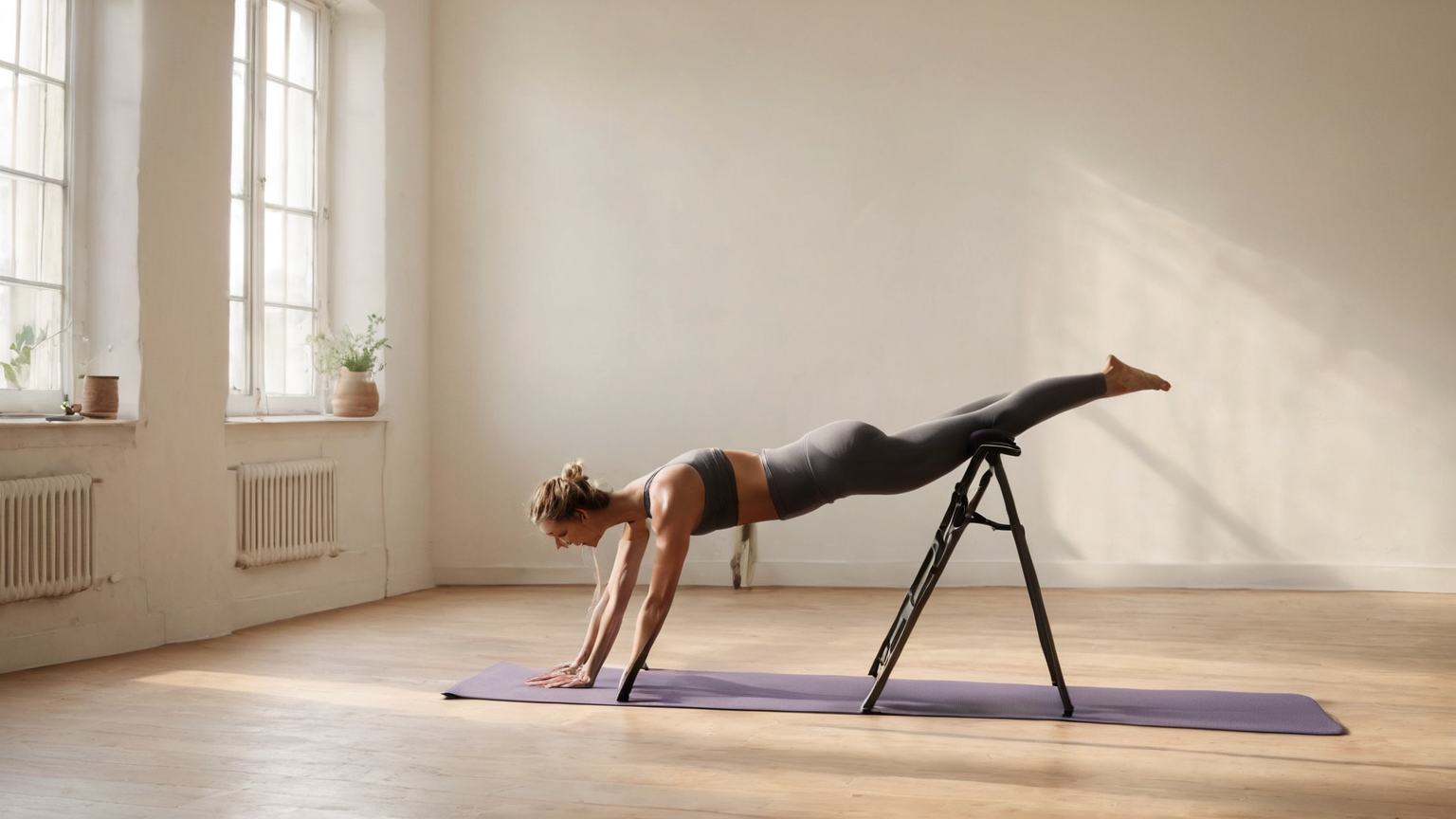
Practical rule: use a two-gate screen. Gate one is symptom trend: symptoms should be clearly improving, not merely hidden by medication or motivation. Gate two is daily function: normal walking, stairs, meals, and sleep should feel close to baseline before planned training becomes useful.
2. Make day one deliberately boring
Choose a walk, easy spin, mobility circuit, or very light technique session. Keep it conversational, avoid heat stress, and leave strength sets far from failure. Boring is useful because it reveals how your breathing, coordination, appetite, and energy respond without creating a second recovery problem.

Practical rule: cap day one at the effort you would use for a warm-up, not the effort you used before getting sick. A useful first session can be 10 minutes of walking plus mobility. If you feel frustrated because it was too easy, that is usually a good sign for the next-day check.
3. Progress only after a clean next-day check
The next morning matters more than the workout high. If sleep worsens, coughing increases, soreness feels unusual, or daily tasks are harder, repeat the easier option or rest. If the next day is clean, add a small amount of time or load, not intensity and volume together.

Practical rule: progress one variable at a time. Add 5–10 minutes, a small load, or one extra easy set only after the next morning is clean. Do not combine longer duration, heavier strength work, and heat exposure in the same first-week jump.
4. Protect people around you
Returning to public gyms, classes, or shared locker rooms also has a community side. Stay home when you may still be contagious, wipe equipment, avoid crowded indoor sessions when symptoms are recent, and use outdoor or at-home options when they meet the training goal.
Practical rule: treat shared spaces as a separate decision from fitness readiness. You may be able to walk outside before it is considerate to return to a crowded class. If coughing, sneezing, stomach symptoms, or fever have been recent, choose an at-home option until contagious risk is lower.
5. Write the reset plan before intensity returns
A first week after illness should end with a reset: what felt normal, what lagged, and what was too ambitious. That note prevents the common mistake of treating one good easy session as permission for maximal intervals, heavy grinders, or a long hot workout.
Practical rule: write three notes after each session: breathing, energy later that day, and the next morning. If any one is worse than expected, repeat the easier day. If all three are normal twice in a row, the next increase can be modest.
First-week checklist
- Wait until fever, vomiting, severe diarrhea, chest symptoms, dizziness, and worsening fatigue are absent.
- Start with 10–20 minutes of easy walking, cycling, mobility, or technique work rather than intervals or heavy sets.
- Keep the first strength session at least three reps away from failure and avoid breath-holding or maximal lifts.
- Avoid hot, smoky, crowded, or high-stress environments during the first easy session.
- Check the next morning before progressing: sleep, cough, breathing, appetite, soreness, and normal daily tasks should not be worse.
- Increase only one variable at a time: time, load, or sets—not all three.
- Return to rest or clinician advice if symptoms rebound, chest discomfort appears, dizziness occurs, or daily function drops.
Source notes and limitations
CDC flu and COVID pages inform the contagiousness and symptom-caution framing; Mayo Clinic and MedlinePlus inform the conservative exercise-after-illness boundary; ACSM and CDC physical-activity guidance inform the easy-movement progression; NHLBI sleep guidance supports the recovery check. None of these sources can clear an individual reader with chest symptoms, uncontrolled blood pressure, dehydration, pregnancy-related concerns, recent surgery, or a clinician restriction. In those cases, qualified care overrides this general plan.
FAQ
How long should I wait after a fever?
This article does not set a universal fever-free countdown because illness severity, medication use, and clinician instructions differ. A safer practical screen is to wait until fever is gone, symptoms are improving, daily tasks feel normal, and the first session can stay very easy.
Can I lift weights before cardio feels normal?
Maybe, but keep the first lifting session technical and far from failure. Avoid breath-holding, maximal attempts, and high-volume leg sessions until breathing, sleep, appetite, and next-day energy are stable.
What if I feel worse the next morning?
Treat that as useful data, not failure. Repeat the easier day or rest, and seek qualified advice if symptoms rebound, chest discomfort appears, dizziness occurs, or ordinary tasks feel harder.
First-week return decision table
| Day or situation | Better choice | Avoid this pattern |
|---|---|---|
| First day back after fever or systemic symptoms | Rest or take an easy walk if normal daily activity feels fine | Jumping straight into intervals or heavy lifting |
| Mild leftover congestion but energy is normal | Short, low-intensity session with an exit plan | Training to prove you are fully recovered |
| Fatigue is disproportionate | Rest and reassess daily activities first | Using caffeine or pre-workout to force performance |
| Symptoms return after exercise | Stop and step back for at least the next session | Increasing volume because the plan says so |
| Chest symptoms, faintness, palpitations, or unusual breathlessness | Seek medical advice promptly | Treating these as normal deconditioning |
A conservative seven-day framework
Day 1 can be rest or a short easy walk. Day 2 can repeat the walk or add gentle mobility. Day 3 can include light strength technique with low volume and no grinding repetitions. Day 4 should be a check-in: if symptoms, sleep, appetite, and daily energy are stable, continue; if not, step back. Days 5 to 7 can gradually restore duration before intensity. Most people should bring back hard intervals, maximal lifts, long runs, and competitive sport after the first week rather than during it.
The key question is not, “Can I finish the workout?” It is, “Do I recover normally after it?” If a short easy session creates unusual fatigue, poor sleep, or symptom rebound, the next workout should be easier or skipped.
Who should be more cautious
People with heart or lung disease, immune compromise, pregnancy, long-lasting fever, COVID or flu complications, chest symptoms, faintness, palpitations, or prolonged fatigue should use medical guidance rather than a generic return plan. Coaches and parents should be especially cautious with athletes who hide symptoms to rejoin practice.
How to rebuild without chasing missed volume
The first week should restore rhythm, not fitness. Start with frequency before intensity: a few short sessions spread across the week are easier to interpret than one heroic comeback workout. Keep strength sets several repetitions away from failure, avoid breath-holding battles, and use longer rests than usual. For cardio, use time and comfort instead of pace. If the body responds normally for several days, add duration before speed or load.
Sleep and appetite are part of the training log. If a workout worsens sleep, appetite, cough, fatigue, or mood, the next session should be easier. If normal chores still feel draining, formal exercise can wait. This is not laziness; it is a way to avoid turning a short illness into a longer training disruption.
Source interpretation note
General physical-activity guidance supports returning to movement when safe, but post-illness readiness depends on symptoms and recovery response. This article is an exercise planning aid, not medical clearance. Red-flag symptoms and clinician restrictions should always override the schedule.
Reader safety checklist for the first week back
Before each session, check four recovery signals: fever-free status, normal daily energy, stable breathing, and no chest symptoms. Then choose a session that you would be willing to stop halfway through. The stop rule should be written before starting: unusual breathlessness, chest pain, palpitations, faintness, dizziness, fever returning, or symptom rebound later in the day means the plan was too aggressive.
The first week is also a good time to reduce decision fatigue. Use familiar routes, familiar exercises, and familiar loads that are clearly below normal. Avoid new classes, competitions, testing days, and long group workouts where social pressure makes it harder to stop. If you feel tempted to make up missed workouts, remember that recovery is part of training, not a detour from it.
Example substitutions
| Normal plan | First-week return version | Why it helps |
|---|---|---|
| Heavy lower-body day | Light technique sets and mobility | Reduces strain while checking readiness |
| Interval run | Easy walk-jog or walk | Keeps breathing controlled |
| Long group ride | Short solo route near home | Makes stopping easier |
| High-rep circuit | Low-volume strength practice | Avoids fatigue stacking after illness |