Hot-Weather Workout Hydration and Electrolyte Plan
A practical 2026 guide to planning fluids, electrolytes, intensity, symptoms, and recovery for exercise during hot or humid weather.
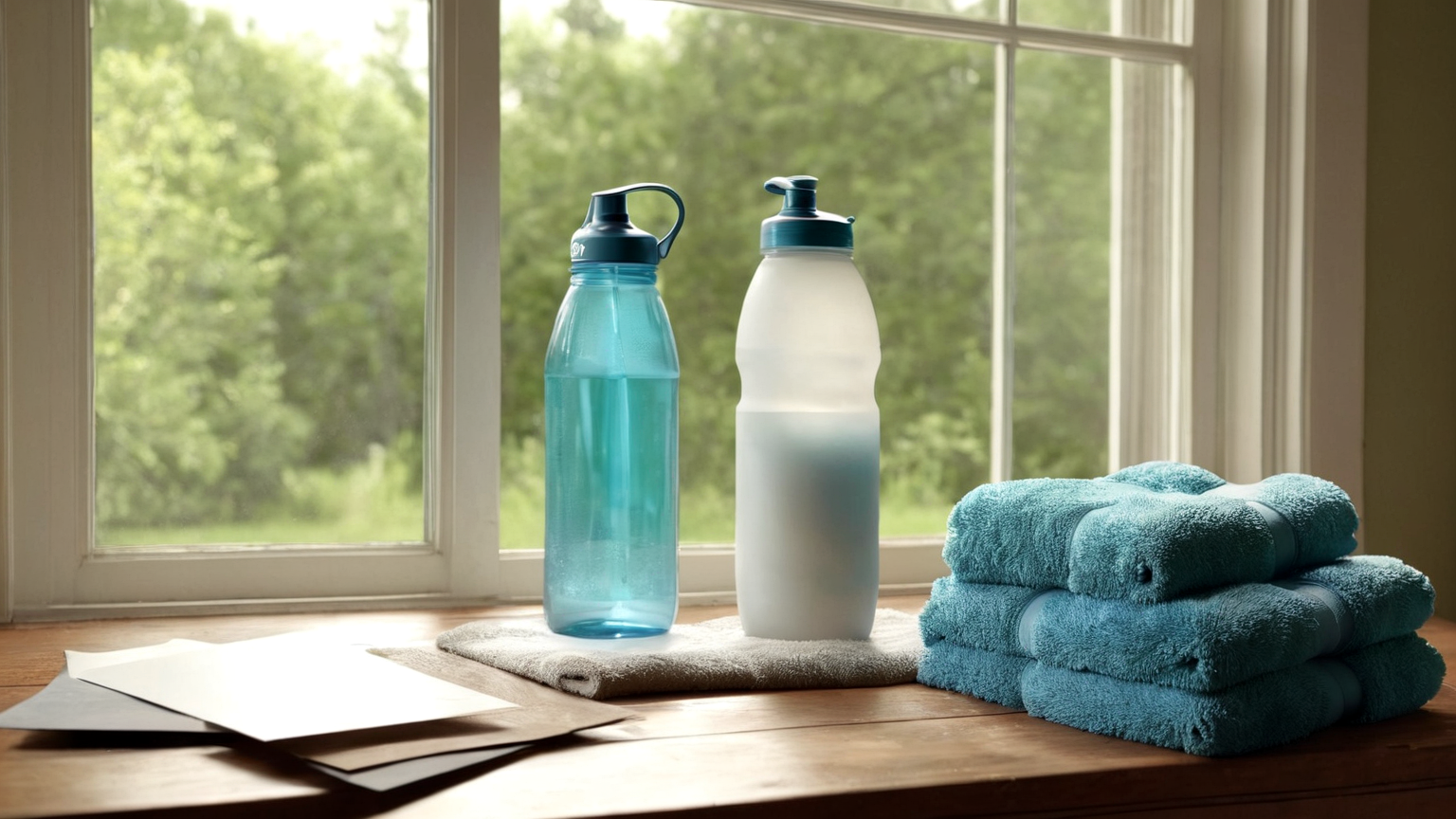
This article is for general education only and is not medical advice. Stop exercise and seek qualified care for chest pain, fainting, severe shortness of breath, neurological symptoms, uncontrolled blood pressure, recent surgery concerns, pregnancy-related concerns, or symptoms that worsen instead of improving.
Evidence and boundary review
BodyWise Lab articles cite primary sources, show update dates, and separate practical routines from clinical decisions. Source-checking is an editorial process, not a personal medical endorsement.
Hydration for hot-weather exercise is not a single bottle-size rule. Sweat rate, humidity, intensity, medications, medical history, access to shade, and how quickly you can cool down all matter. This guide was checked on 2026-06-08 against CDC, NIOSH, National Weather Service, NIH MedlinePlus, and AirNow resources. It is not medical advice; people with heart, kidney, blood-pressure, pregnancy, medication, or heat-illness concerns should use qualified guidance first.
Quick decision table
| Situation | Safer choice | Mistake to avoid |
|---|---|---|
| Short easy session in mild heat | Water, shade, and normal meals may be enough | Forcing sports drinks because the calendar says summer |
| Longer or very sweaty session | Plan fluids, cooling breaks, and sodium-containing food or drink if appropriate | Waiting until dizziness or cramps start |
| Heat alert or high humidity | Lower intensity, move indoors, or postpone | Treating hydration as permission to ignore heat risk |
| Confusion, fainting, chest symptoms, severe weakness | Stop and seek urgent help when needed | Trying to solve serious symptoms with another bottle |
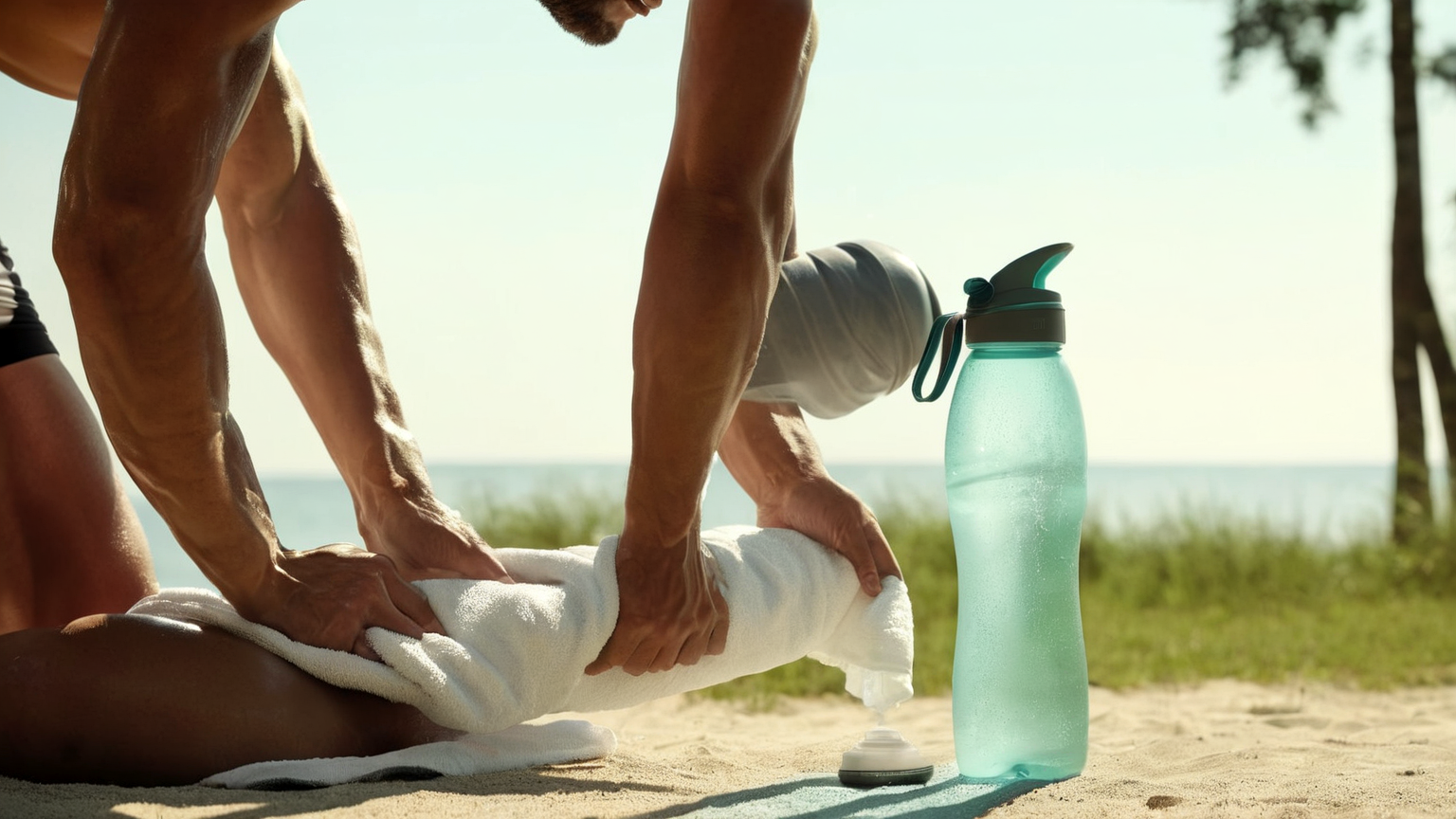
1. Start with heat risk before fluid math
Check heat index, humidity, workout intensity, shade access, medications, and personal heat history before deciding how much fluid to carry. Hydration helps, but it is not permission to train through a heat alert. If conditions are stacked against you, move the session indoors, shorten it, or choose recovery work.
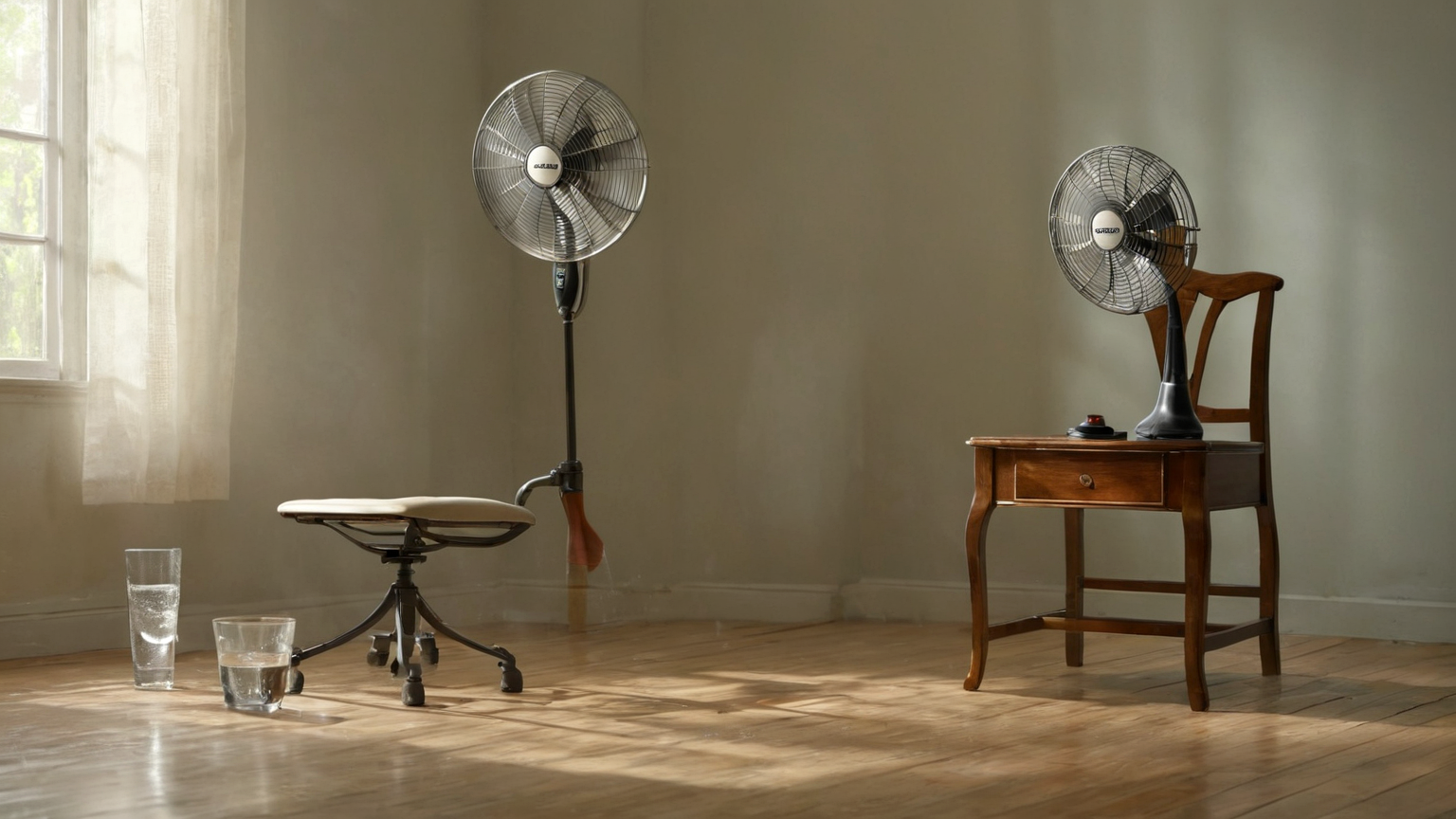
2. Match drink choice to duration, sweat, and symptoms
For short easy sessions, water and normal meals may be enough. Longer, hotter, or very sweaty efforts may need planned cooling breaks and sodium-containing food or drink. Avoid copying another athlete’s electrolyte routine if you have blood-pressure, kidney, heart, pregnancy, or medication concerns.

3. Build a cooling and recovery loop
Plan where you will pause, cool down, and reassess. Use shade, lower intensity, indoor alternatives, and post-workout cooling before symptoms escalate. Dizziness, confusion, fainting, chest symptoms, or severe weakness should end the session and may require urgent help.

4. Avoid electrolyte mistakes that look healthy
More electrolyte powder is not automatically safer. Over-drinking, under-drinking, ignoring heat warnings, or adding sodium without considering health conditions can all create problems. Keep the dose, timing, and purpose explicit instead of treating sports drinks as a summer default.

5. Keep the plan trustworthy and repeatable
After the workout, record the weather, duration, sweat level, breaks, symptoms, and what you would change next time. This makes the routine useful for real readers because it is source-backed, non-commercial, and honest about when medical or local heat guidance should take priority.
Step-by-step operating checklist
- Check the current heat, humidity, AQI, workout duration, and intensity before starting.
- Prepare water, shade, cooling breaks, and an indoor fallback before symptoms appear.
- Choose the lower-risk option when heat alerts, heavy sweating, medications, or prior heat illness overlap.
- Keep electrolyte amounts and warning signs in readable text, not image text.
- Record weather, duration, symptoms, and recovery so the next hot-weather workout plan improves.
What electrolytes can and cannot do
Electrolytes can help some long, sweaty sessions, but they do not cancel heat risk. A drink mix cannot make a noon heat alert behave like a cool morning. If you are exercising for a short easy session, normal meals and water may be enough. If you are out longer, sweating heavily, or replacing salty sweat repeatedly, sodium-containing food or drink may be useful, but the amount should match the session and your health context.
Stop signs are not hydration prompts
Dizziness, confusion, fainting, chest symptoms, severe weakness, or worsening headache should not be treated as a sign to simply drink more and continue. Stop, cool down, and seek urgent help when symptoms are severe or persistent. This is especially important for people with heart, kidney, blood-pressure, pregnancy, or medication concerns because both dehydration and overcorrection can be risky.
FAQ
Does this replace professional advice? No. It is a planning aid built from the listed sources; medical or heat-emergency decisions can require qualified help.
| Situation | Better choice | Avoid this |
|---|---|---|
| Easy session under one hour | Water and a normal meal are usually enough | Treating sports drink as mandatory |
| Long hot session with heavy sweat | Plan fluid, sodium, shade, and a shorter route | Waiting until dizziness or cramps appear |
| Blood pressure, kidney, heart, or medication concerns | Ask a clinician about fluid and sodium targets | Copying endurance-athlete sodium advice |
| New heat wave or poor sleep | Reduce intensity before changing supplements | Trying to solve heat stress with powders |
| Stomach upset during training | Slow down, sip gradually, and reassess concentration | Chugging large volumes quickly |
How to use electrolytes without overbuying
Electrolytes are not a badge of serious training. They are a tool for specific conditions: long duration, heavy sweating, repeated hot sessions, limited food intake, or clinician-directed replacement. Many short workouts are safer and cheaper with water, shade, normal meals, and reduced intensity. If a product is used, read the sodium amount, serving size, caffeine content, sugar alcohols, and warning label before taking it during a hard session.
A useful test is to separate thirst, heat exposure, and marketing. If you feel poorly because the route is too hot, the safest fix is a cooler route or shorter session, not a stronger drink. If you are losing large amounts of sweat over a long session, sodium and carbohydrate may matter more. If you have medical fluid restrictions, generic sports nutrition advice may be unsafe.
Reader safety checklist
Before hot-weather training, identify water access, shade, bailout points, expected duration, and the first symptom that will end the workout. Carry identification and a phone on longer routes. Do not use extreme water intake to compensate for heat; too much plain water can also create problems in long events. The safest hydration plan is paired with pacing, cooling, and early stopping rules.
Source interpretation note
Public guidance on heat illness, hydration, and exercise supports conservative planning rather than universal drink formulas. This article translates that guidance into everyday workout decisions and is not medical nutrition therapy. People with kidney disease, heart failure, blood pressure concerns, pregnancy, eating disorders, or medication-related fluid issues should individualize plans with qualified care.
Example substitutions
| Original plan | Safer hydration-and-heat version | Why it helps |
|---|---|---|
| Long exposed run | Short shaded loop with planned water access | Reduces exposure and keeps exit options open |
| Fasted hot workout | Easy session after normal food and fluid | Avoids stacking heat with low energy |
| New electrolyte product on race day | Test during a short easy session first | Reduces stomach and dosing surprises |
| Heavy garage workout | Cooler indoor room or reduced set count | Lowers heat production and recovery cost |
Hydration is only one part of the safety system. If the safer version of the workout looks less impressive on paper but leaves you clear-headed, normally hungry, and able to sleep, it is the better training choice for that day.
Common mistakes to avoid
The biggest mistake is treating thirst, sweat, and performance as the same signal. Thirst tells you something, but it does not measure heat illness risk by itself. Sweat rate tells you that the body is cooling itself, but it does not prove the session is safe. A strong pace early in the workout can also be misleading because heat stress often accumulates later. Use all of the signals together: route exposure, temperature, humidity, session length, recent sleep, symptoms, and recovery after the workout.
Another mistake is using electrolyte products to justify a harder session. If the weather calls for a shorter route, lower intensity, or indoor alternative, a drink mix should not overrule that decision. The better question is whether the workout still makes sense if the product were unavailable.
Final pre-session script
Before leaving, say the simplest safe version of the plan: “I will drink normally, keep the route short enough to exit, and reduce intensity if heat feels worse than expected.” If you cannot name the exit point or the symptom that ends the session, the plan is not ready. Hydration advice works best when paired with a route and a stop rule. The next-day check matters too: if urine is very dark, dizziness persists, appetite is poor, or fatigue feels unusual, treat the session as too aggressive and make the next one shorter and cooler. For group workouts, make the conservative option public before anyone starts, so no one has to be the first person to ask for a shorter route. This is especially important for beginners. and returning athletes.